Delhi High Court Rejects PIL Against 1980 Waqf Board Notification for Jahangirpuri Mosques
Synopsis
The Delhi High Court has dismissed a PIL challenging a 1980 notification from the Waqf Board regarding mosques in Jahangirpuri. The ruling emphasized the petition's lack of bona fide intent and the inappropriateness of revisiting such an old matter.
Key Takeaways
The Delhi High Court dismissed a PIL concerning a **1980 Waqf Board notification**.
The court criticized the petition for lacking bona fide intent.
Historically significant issues should not be revisited without substantial justification.
PILs must serve genuine public interest and not personal agendas.
The importance of maintaining the integrity of Public Interest Litigation was emphasized.
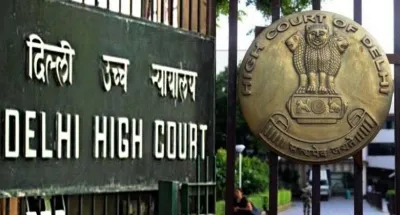
New Delhi, Feb 24 (NationPress) The Delhi High Court has ruled against a Public Interest Litigation (PIL) that challenged a 1980 notification from the Delhi Waqf Board, which designated specific mosques in Jahangirpuri as Waqf properties. The court noted that the petition aimed to “unnecessarily revisit the past” after a span of 46 years and lacked bona fide intent.
A Bench comprising Chief Justice (CJ) Devendra Kumar Upadhyaya and Justice Tejas Karia declined to consider the plea brought forth by the Save India Foundation, which questioned the legitimacy of a notification dated March 24, 1980, published in the Delhi Gazette on April 10, 1980. This notification listed several Waqf properties, including mosques known locally as Jama Masjid, Moti Masjid, and Masjid Jahangirpuri.
The petitioner claimed that the land on which these mosques were situated had been acquired by the Delhi government in 1977 for the planned development of the Jahangirpuri area under the Land Acquisition Act, 1894, with compensation already paid to landowners.
It alleged that the structures represented illegal encroachments on public land and that the Waqf notification breached the law.
In rejecting these arguments, the Delhi High Court pointed out that the petitioner failed to provide any evidence identifying the land allegedly acquired or demonstrating that the acquired land and the Waqf properties were the same.
“We are of the view that the petitioner has unnecessarily attempted to revisit the past. The motive behind filing the writ petition does not seem to be bona fide,” remarked the CJ Upadhyaya-led Bench.
The court further stated that “any notification issued 46 years ago cannot be challenged on flimsy grounds,” especially when the statutory remedies had long since expired.
Citing the Muslim Wakfs Act, 1954, the Delhi High Court noted that disputes regarding the inclusion of properties in the Waqf list could have been raised before a competent civil court under Section 6 of the Act within one year of the notification's publication.
“If an ordinary civil remedy is barred… allowing a writ petition that seeks a declaration that the properties listed in the contested notification are not Waqf properties, particularly after 46 years, would be legally impermissible,” the CJ Upadhyaya-led Bench stated.
The judgment also highlighted the litigation history of the petitioner organization, suggesting that it appeared to be “habitual in filing petitions dubbed as Public Interest Litigation petitions.”
The Delhi High Court emphasized that PILs should not become instruments for private gain or publicity-seeking causes, asserting that any litigant invoking PIL jurisdiction must approach the court with “clean hands, clean heart, clean mind, and clean objective.”
“The integrity of Public Interest Litigation in the country must not be compromised by any litigant,” the Bench concluded, adding that courts should ensure that frivolous petitions masquerading as PILs are “nipped in the bud.”
It cautioned that the “attractive label of Public Interest Litigation should not be misused for dubious purposes” and stressed that only genuine issues of significant public interest warrant judicial intervention.
Ultimately, the court determined that the PIL did not present bona fide public interest or legal grounds for revisiting a notification established decades ago, leading to the dismissal of the writ petition.
“For these reasons, we are not inclined to entertain the current petition, which is hereby dismissed along with any pending applications,” the court ordered.
Frequently Asked Questions
What was the main issue in the PIL?
The PIL challenged the validity of a 1980 notification by the Delhi Waqf Board that declared certain mosques in Jahangirpuri as Waqf properties.
Why did the Delhi High Court dismiss the PIL?
The court found that the petition lacked bona fide intent and attempted to unnecessarily revisit an issue that was over 46 years old.
What did the court say about the timing of the PIL?
The court emphasized that challenging a notification from 46 years ago on flimsy grounds is impermissible, especially when statutory remedies have expired.
How did the court view the petitioner organization?
The court noted that the petitioner organization appeared to have a history of filing petitions labeled as Public Interest Litigation, suggesting a pattern of misuse.
What message did the court convey regarding PILs?
The court stressed that PILs should not be misused for private gain and must be based on genuine public interest.