Will the Supreme Court Decide on the Bail Applications of Delhi Riots Accused?
Synopsis
The Supreme Court's decision on the bail requests from student activists involved in the controversial Delhi riots case is highly anticipated. This ruling could significantly impact the ongoing legal proceedings surrounding the accusations of a larger conspiracy behind the riots.
Key Takeaways
Supreme Court reserves judgment on bail pleas Accused have been in custody for over five years Petitioners must submit additional documents by December 18 Solicitor General argues violence was a planned attack Delhi Police labels Khalid as a key conspirator
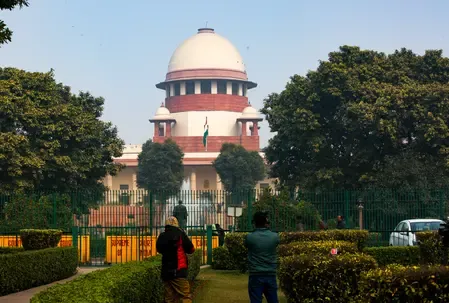
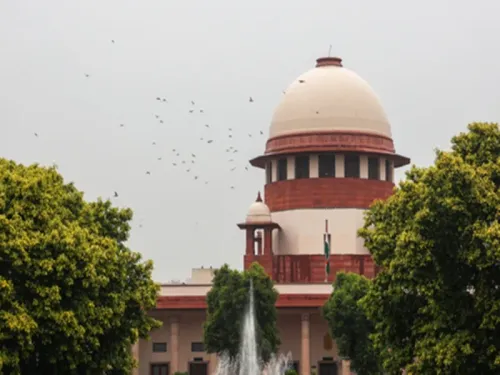
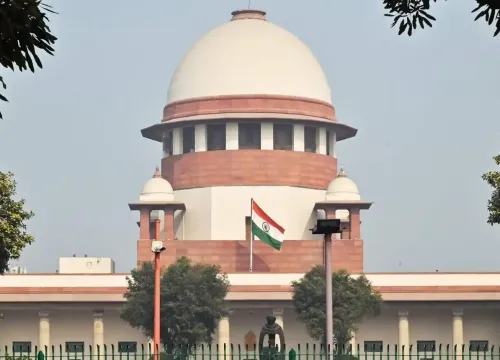
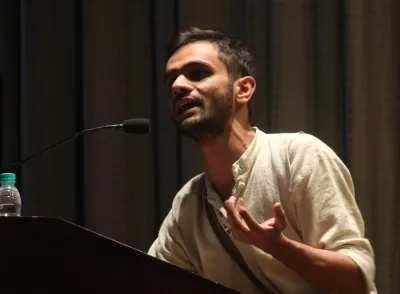
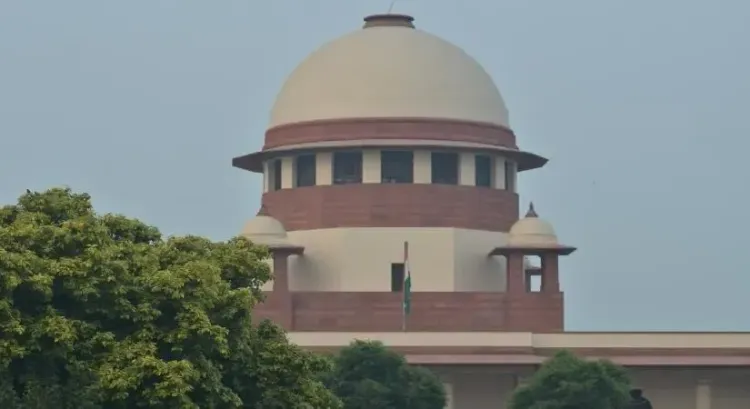
New Delhi, Dec 10 (NationPress) The Supreme Court has on Wednesday reserved its judgment concerning the group of petitions submitted by student activists Umar Khalid, Sharjeel Imam, along with Gulfisha Fatima, Meeran Haider, Shifa-ur-Rehman, Shadab Ahmed, and Mohd. Saleem Khan. They are appealing against the Delhi High Court’s decision to deny them bail in the purported “larger conspiracy” case associated with the 2020 Delhi riots.
The accused individuals are facing serious charges under the Unlawful Activities (Prevention) Act (UAPA) and have been in detention for over five years.
After listening to arguments from both parties, a bench comprising Justices Aravind Kumar and N.V. Anjaria has reserved its ruling and instructed both the petitioners and the prosecution to submit any further documentation supporting their claims by December 18.
In a previous session, opposing the bail requests, Solicitor General Tushar Mehta, representing the Delhi Police, argued that the incidents were a “well-designed, well-crafted” assault on the nation's sovereignty rather than a spontaneous outbreak of communal unrest. He stated, “Your lordships were misled to believe that a protest led to riots. This was not an unplanned event but a prearranged, orchestrated series of riots, as evidenced by collected materials,” he contended.
Mehta further asserted, “This violence was a direct attack on the nation’s integrity—I state this responsibly.” He claimed that materials such as speeches and WhatsApp conversations indicated a “clear effort to divide society along communal lines.”
He also referenced WhatsApp communications retrieved by the Delhi Police, purportedly detailing “how to damage property and raise funds,” emphasizing that it was a “systematic attempt to fracture society and the nation.”
The Solicitor General accused the defendants of delaying the trial proceedings by not cooperating, noting, “In cases where the facts are challenging to defend, the strategy is to prolong the trial rather than address the merits directly and request bail. This has become a recurrent theme.”
The Delhi Police, in their comprehensive counter-affidavit, described Khalid as a “key conspirator” and a “mentor” to the others, asserting that the conspiracy was strategically planned to coincide with US President Donald Trump's official visit to India to attract international media attention.
On September 2, the Delhi High Court had rejected bail applications from Imam, Khalid, and several other individuals implicated in the 2020 riots’ larger conspiracy case.
Point of View
It is crucial to recognize the significant implications of the Supreme Court's upcoming decision regarding the bail applications of the accused in the Delhi riots case. This situation underscores the delicate balance between safeguarding national integrity and ensuring the fundamental rights of individuals involved in a contentious legal matter.
NationPress
23 Sept 2026
Frequently Asked Questions
What is the basis for the bail plea rejection?
The bail pleas were rejected based on allegations that the accused were involved in a well-planned conspiracy aimed at undermining national sovereignty.
Who are the key figures involved in this case?
Key figures include Umar Khalid, Sharjeel Imam, and several others who are accused of being part of a larger conspiracy related to the 2020 Delhi riots.
What charges do the accused face?
The accused are charged under the Unlawful Activities (Prevention) Act (UAPA), which pertains to serious offenses against national security.
When is the Supreme Court expected to announce its verdict?
The Supreme Court has reserved its verdict and has requested further submissions by December 18.
Why is this case significant?
This case is significant as it raises important questions about civil rights, national security, and the legal processes concerning public protests.