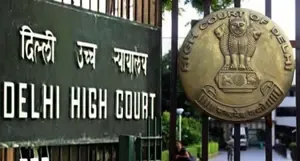
Is Electricity a Fundamental Right under Article 21 of the Constitution? Delhi HC Weighs In
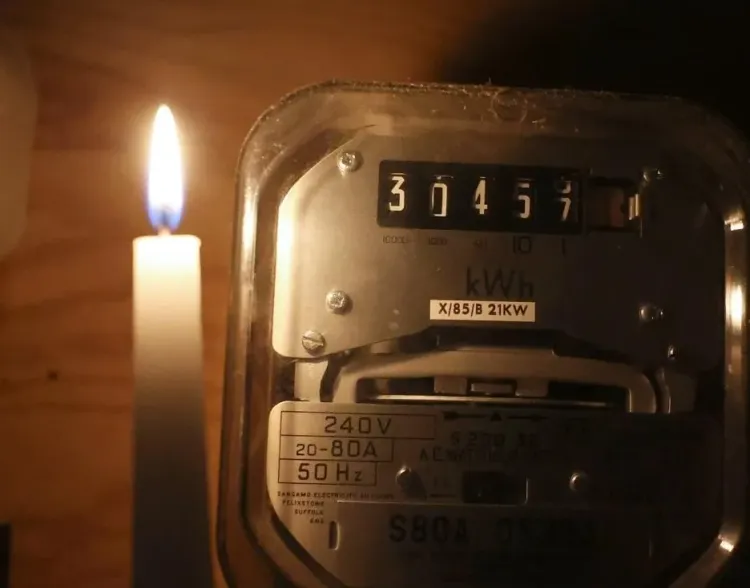
Synopsis
In a landmark ruling, the Delhi High Court has declared electricity supply a fundamental right under Article 21, directing BSES to restore power to a tenant's home amidst an ongoing landlord-tenant dispute. This decision highlights the court's commitment to protecting basic amenities as essential for a dignified life.
Key Takeaways
The Delhi High Court ruled that electricity is a fundamental right under Article 21.
BSES must restore electricity without requiring a landlord's NOC.
A pending dispute cannot justify depriving a tenant of basic amenities.
Access to electricity is essential for living with dignity.
The ruling sets a precedent for protecting tenants' rights.
New Delhi, Dec 16 (NationPress) The Delhi High Court has mandated BSES Rajdhani Power Limited to reinstate electricity supply to a tenant's residence without requiring a No Objection Certificate (NOC) from the landlords. The court emphasized that an ongoing landlord-tenant dispute cannot be leveraged to deny an individual a basic necessity.
In a ruling on a writ petition from a tenant residing on the third floor of a property in west Delhi, Justice Mini Pushkarna stated that electricity is a fundamental requirement and a core component of the right to life as enshrined in Article 21 of the Constitution.
Justice Pushkarna remarked, "Electricity is a basic necessity and an integral part of the right to life under Article 21 of the Constitution of India," asserting that as long as the petitioner legally occupies the premises, he "cannot be deprived of the same."
The court observed that despite ongoing disputes between the petitioner and the landlords in a civil court, "a pending landlord-tenant dispute cannot justify the denial of electricity, a basic amenity."
The tenant argued that he has been residing in the property since 2016 under registered lease agreements and had been receiving electricity through a meter registered in the landlords' names. He claimed that the power was cut off on November 28 due to temporary financial difficulties that resulted in unpaid dues for September and October 2025, but these payments were settled the same day.
Even after settling the outstanding dues, BSES refused to restore the service due to the lack of an NOC from the landlords, who allegedly refused to cooperate.
The Delhi High Court noted that the tenant's possession remains lawful until an eviction order is issued by a competent court.
Justice Pushkarna stated, "No citizen should be expected to live without basic necessities such as electricity," referencing numerous judgments that underscore the importance of access to electricity under Article 21.
The court instructed BSES to restore power to the third floor from the existing meter without requiring an NOC from the landlords. Additionally, it directed the landlords to assist in the restoration process and permitted BSES to seek police help if faced with any resistance.
Justice Pushkarna clarified that this order should not be interpreted as recognizing any possessory rights of the tenant or granting any special favor, nor should it affect the rights and positions of the parties involved in ongoing disputes.
Point of View
The court is setting a precedent that prioritizes the welfare of citizens, reflecting a broader commitment to uphold human rights in the face of legal conflicts.
NationPress
22 Aug 2026
Frequently Asked Questions
What did the Delhi High Court rule regarding electricity supply?
The Delhi High Court ruled that BSES must restore electricity to a tenant's premises without requiring a No Objection Certificate from landlords, emphasizing that access to electricity is a fundamental right under Article 21 of the Constitution.
Why was the electricity supply disconnected?
The electricity supply was disconnected due to temporary financial difficulties faced by the tenant, which led to unpaid dues for a short period. However, these dues were cleared on the same day the power was cut off.
What does Article 21 of the Constitution state?
Article 21 of the Constitution of India guarantees the right to life and personal liberty, which the Delhi High Court interpreted as encompassing access to basic amenities like electricity.
Can landlords deny electricity supply if there is a dispute?
According to the Delhi High Court's ruling, landlords cannot deny electricity supply based on an ongoing dispute, as access to basic amenities is a right that cannot be compromised.
What implications does this ruling have for tenants?
This ruling reinforces the legal protection of tenants' rights to essential services, potentially impacting how landlord-tenant disputes are handled in the future.