Delhi man Yuvraj Singh Manchanda murdered by ex-colleague, body dumped in Gurugram drain
Synopsis
A Delhi man shopping for his wedding was lured to Gurugram under the pretext of a meeting, allegedly murdered by his former colleague and her partner, and his body dumped in a drain — only for authorities to cremate it before his family was even told he was dead. The ZIPNET lapse at the centre of the case raises serious questions about how India's unidentified-body tracking system functions in practice.
Key Takeaways
Yuvraj Singh Manchanda , 31 , of Delhi was allegedly killed by former colleague Vats and her partner over a suspected financial dispute.
Manchanda left a Lajpat Nagar restaurant on 6 September to meet Vats in Gurugram and was never seen alive again.
His body was reportedly recovered by Gurugram police on 10 September , but his family was not informed until 16 September .
The body was cremated by authorities on 14 September , two days before the family was notified — the family alleges ZIPNET upload requirements were not followed.
Both accused were arrested — Vats in Uttarakhand — and remanded to five days of police custody.
Manchanda was the sole earning member of his family; his father is paralysed and his mother has a heart condition.
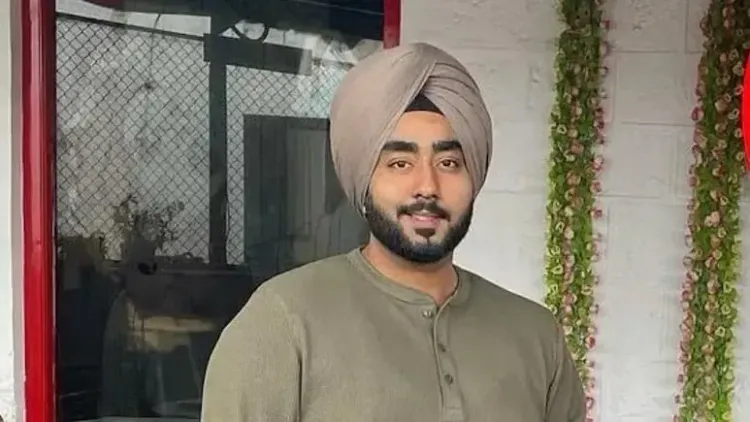
Yuvraj Singh Manchanda, a 31-year-old Delhi resident who was due to be married in October, was allegedly murdered by his former colleague and her partner over a suspected financial dispute, with his body found dumped in a drain in Gurugram, police confirmed. The case has drawn sharp scrutiny over the delayed identification of the body and a procedural lapse allegedly involving the Zonal Integrated Police Network (ZIPNET).
How Manchanda Went Missing
On 6 September, Manchanda had been shopping with his sisters at Lajpat Nagar market in Delhi for his upcoming wedding. The family stopped for a meal at the Golden Dragon restaurant at around 4.15 pm, after which he told his sisters he needed to meet a former colleague in Gurugram and left. His sisters returned home separately by cab.
He spoke to his family by phone at approximately 7 pm, assuring them he would be back by 10 pm. He never returned. On 8 September at 4.16 pm, the family received what they described as his final WhatsApp message, after which his mobile phone was switched off. After repeated failed attempts to reach him, the family filed a missing-person report at Lajpat Nagar police station on 11 September.
Body Recovered, Family Not Informed
According to Manchanda's family, Gurugram police had already recovered his body on 10 September — the day before the missing-person complaint was even filed — but did not inform them. The family further alleged that details of the unidentified body were not uploaded on ZIPNET, the government platform used to circulate information about unidentified persons, within the required timeframe.
The body was reportedly cremated by authorities on 14 September, two days before the family was formally informed of his death. Under applicable procedure, authorities may proceed with cremation of an unidentified body after a prescribed waiting period if identity-establishment attempts — including circulation through designated missing-person networks — remain unsuccessful. The family has sought access to the post-mortem report, investigation documents, photographs, DNA samples, and Manchanda's personal belongings.
Arrests and the Alleged Murder
Police established that Manchanda's last known phone conversation was with Vats, his former colleague he had gone to meet in Gurugram. Her phone was subsequently found switched off. Investigators examined CCTV footage, technical evidence, and information from workplaces linked to both Manchanda and the suspect.
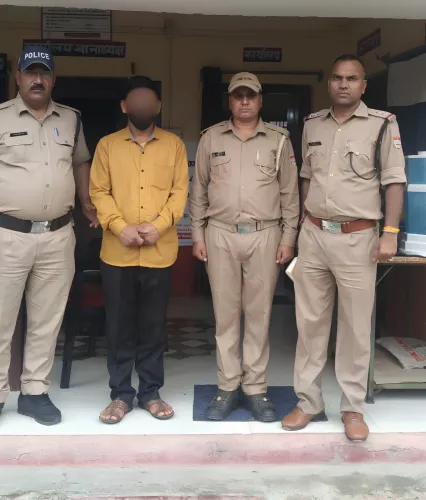
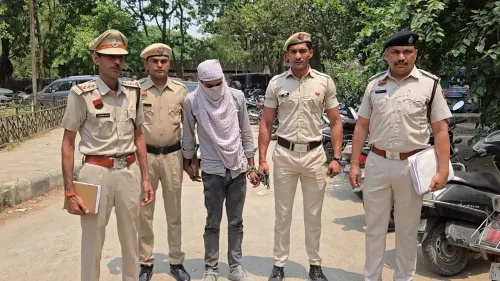
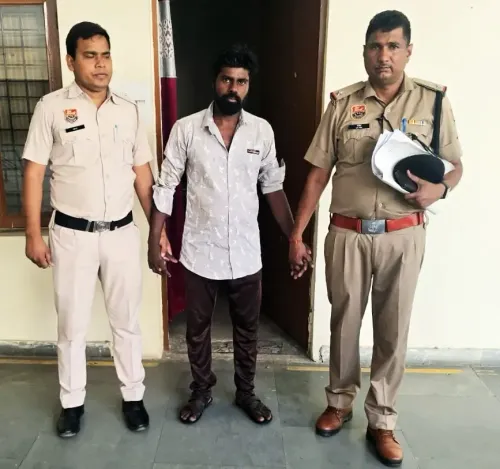
Vats was eventually traced through a new mobile number she was allegedly using and was arrested in Uttarakhand. Her partner was also arrested in connection with the case. During interrogation, the two accused allegedly told police they had killed Manchanda and disposed of his body in a drain near their residence in Gurugram.
Motive and Family's Account
Police suspect a financial dispute may have triggered the alleged murder, though investigations are ongoing. Manchanda's family, however, has claimed that Vats has not disclosed the actual reason for the killing. Both accused have been remanded to five days of police custody as investigators work to establish the motive, reconstruct the timeline, and determine the exact circumstances of the alleged murder.
The family described Manchanda as the sole earning member of the household. His father is paralysed and his mother has a heart condition, adding urgency to the family's demands for transparency in the investigation. Authorities continue to question the two accused as the probe advances.
Point of View
The procedural gap needs urgent administrative scrutiny — not just a criminal investigation into the accused.
NationPress
18 Sept 2026
Frequently Asked Questions
Who was Yuvraj Singh Manchanda and what happened to him?
Yuvraj Singh Manchanda was a 31-year-old Delhi resident who was allegedly murdered on or around 6 September 2026 after leaving a restaurant in Lajpat Nagar to meet a former colleague in Gurugram. His body was later found dumped in a drain near the accused's residence in Gurugram, according to police.
Who has been arrested in connection with the Gurugram murder case?
Police arrested Vats, Manchanda's former colleague, in Uttarakhand after tracing a new mobile number she was allegedly using. Her partner was also arrested in Gurugram. Both have been remanded to five days of police custody.
Why was the body cremated before the family was informed?
Gurugram authorities reportedly cremated the unidentified body on 14 September, two days before informing Manchanda's family on 16 September. Under applicable procedure, an unidentified body may be cremated after a prescribed waiting period if identity-establishment efforts — including ZIPNET circulation — fail. The family alleges those efforts were not properly carried out.
What is ZIPNET and why does it matter in this case?
ZIPNET, or the Zonal Integrated Police Network, is a government platform used to circulate information about unidentified bodies so that families of missing persons can trace them. Manchanda's family has alleged that his body's details were not uploaded within the required timeframe, which they say prevented them from identifying him before cremation.
What is the suspected motive behind the murder?
Police suspect a financial dispute between Manchanda and Vats may have been the motive, though the investigation is ongoing. Manchanda's family has stated that Vats has not disclosed the actual reason for the killing. Investigators are continuing to question both accused to establish a clear motive and reconstruct the sequence of events.