Viksit Bharat 2047: Delhi Speaker Vijender Gupta calls for aware society and legislative reform
Synopsis
Delhi Assembly Speaker Vijender Gupta told a Commonwealth Parliamentary Association conference in Chandigarh that achieving Viksit Bharat 2047 requires citizens to exercise democratic vigilance and legislatures to deliver institutional reform — warning that AI, climate change, and cybersecurity threats demand a new kind of lawmaking, not just new laws.
Key Takeaways
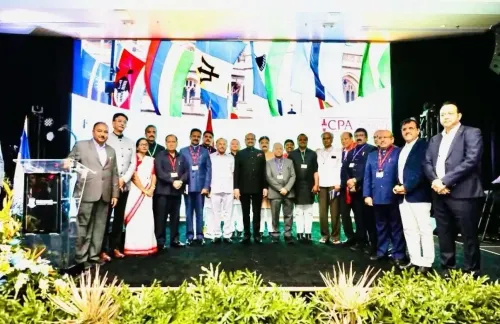
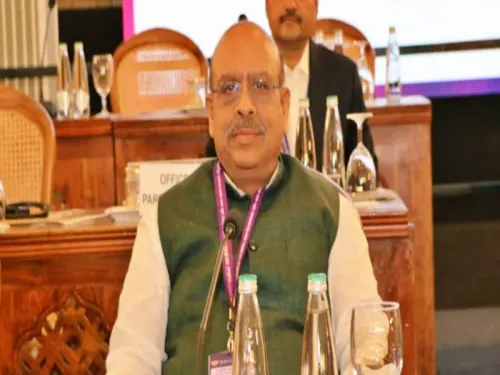
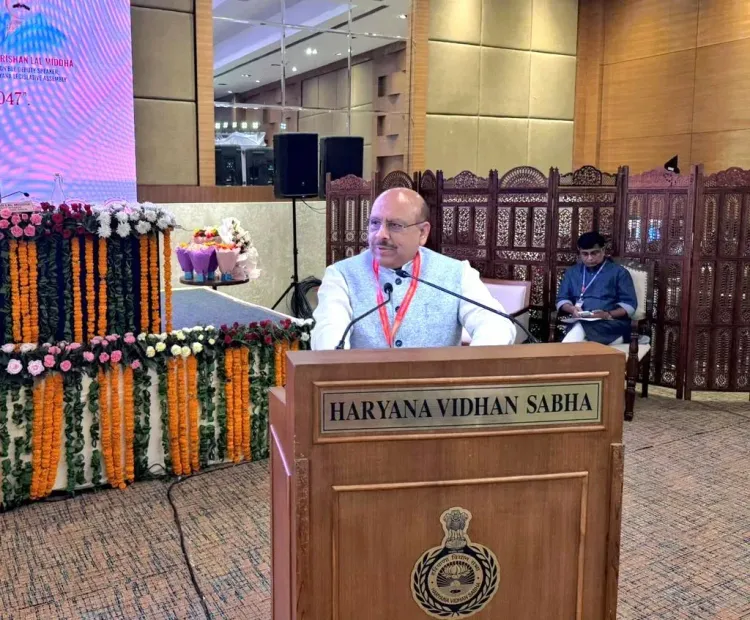
Delhi Assembly Speaker Vijender Gupta addressed the CPA India Region Zone-II (North Zone) Conference in Chandigarh on 9 June .
He identified an aware society and reformed legislatures as the two pillars of the Viksit Bharat 2047 vision.
Key future challenges cited include artificial intelligence , climate change , cybersecurity threats , and rapid urbanisation .
Gupta highlighted the National e-Vidhan Application (NeVA) as a model for building citizen-centric, technology-enabled legislatures.
He cautioned that digital tools must assist governance but can never replace human accountability and parliamentary deliberation.
Gupta also presented Haryana Governor Asim Kumar Ghosh with the Delhi Vidhan Sabha's centenary book 'Shatabdi Yatra' .
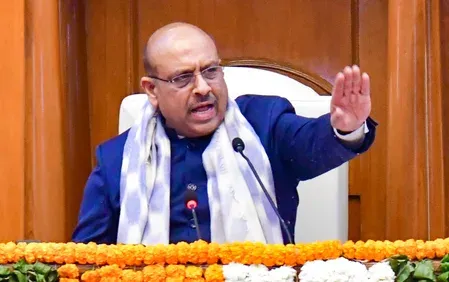
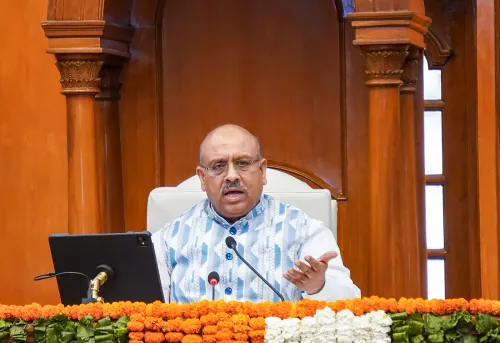
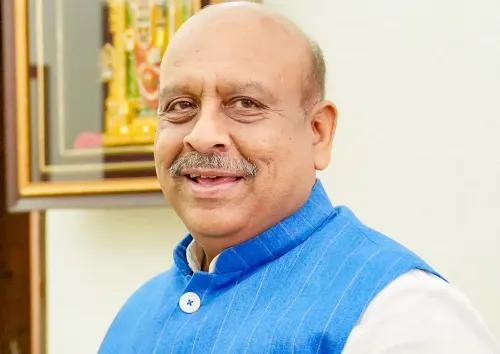
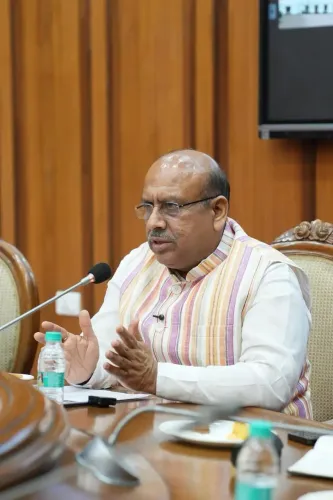
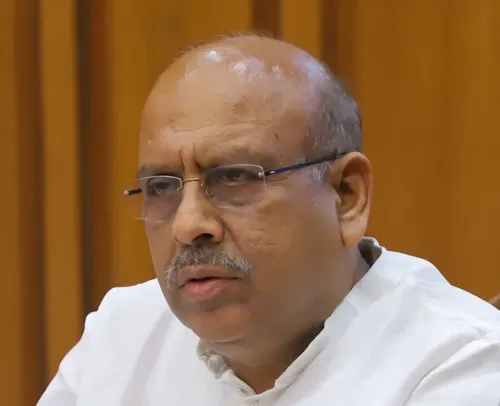
Delhi Assembly Speaker Vijender Gupta on Tuesday, 9 June said that an aware citizenry and a reform-minded legislature are the two indispensable pillars for realising the Viksit Bharat 2047 vision, speaking at the Commonwealth Parliamentary Association (CPA) India Region Zone-II (North Zone) Conference held at the Haryana Legislative Assembly in Chandigarh. Addressing the Plenary Session-II, Gupta framed the challenge as a dual compact: citizens must exercise democratic vigilance while legislators must provide democratic direction.
Key Remarks at the CPA Conference
'If citizens provide democratic vigilance, legislators must provide democratic direction; if society generates aspirations, institutions must convert those aspirations into outcomes,' Gupta said during his address on the theme 'Role of Aware Society and Legislators in Realising Future Challenges and the Goal of Viksit Bharat 2047'.
He underscored that the ultimate success of the Viksit Bharat 2047 goal rests on a 'simple, powerful synergy' where a vigilant society participates responsibly and legislatures respond with 'unyielding integrity, vision, and foresight.'
India's Strengths and Transformative Achievements
Gupta pointed to India's standing as one of the world's fastest-growing major economies as a foundation of confidence for the journey ahead. He highlighted the country's progress in digital public infrastructure, renewable energy, space technology, and public service delivery as evidence of transformative momentum.
He also lauded India's ability to preserve the strength of its democratic institutions while navigating unprecedented social, economic, and technological transitions — a balance he described as central to sustaining long-term progress.
Challenges Legislators Must Prepare For
Looking ahead over the next two decades, Gupta outlined a set of critical challenges demanding proactive legislative foresight. He warned that 21st-century legislatures must prepare to navigate the disruptive rise of artificial intelligence and emerging technologies, combat the severe impacts of climate change on agriculture and water resources, counter growing cybersecurity threats, and manage the infrastructure pressures of rapid urbanisation — all while ensuring the youth population is skilled for a knowledge-driven economy.
On the role of an aware society, Gupta asserted that democracy flourishes not merely through elections, but when citizens actively combat misinformation, promote social harmony, and remain deeply conscious of both their constitutional rights and duties.
Legislative Reform and Technology
Turning to institutional reform, Gupta stated that lawmaking bodies 'cannot solve future challenges using the tools of the past.' He cited the National e-Vidhan Application (NeVA) and shared insights from the Delhi Vidhan Sabha on how technological innovation can build citizen-centric, transparent, and future-ready legislatures.
He cautioned, however, that while digital tools and data must assist governance, they can never replace wisdom, human accountability, and the core deliberative spirit of parliamentary democracy.
Courtesy Call on Haryana Governor
On the sidelines of the conference, Gupta paid a courtesy visit to Haryana Governor Asim Kumar Ghosh at the Lok Bhavan in Chandigarh. He presented the Governor with a copy of the Delhi Legislative Assembly's special coffee table book titled 'Shatabdi Yatra' (The Centenary Journey), celebrating the history and democratic legacy of the Delhi Vidhan Sabha.
As India's policy and legislative conversations increasingly pivot toward the 2047 horizon, the CPA conference signals a growing consensus that institutional modernisation and civic awareness must advance in tandem.
Point of View
But the gap between parliamentary rhetoric on institutional reform and actual legislative modernisation in India remains wide. Most state assemblies still operate on procedural frameworks designed for a pre-digital era, and NeVA adoption has been uneven. The Viksit Bharat 2047 framing risks becoming a rhetorical umbrella unless it is accompanied by binding timelines for legislative capacity-building. An aware society cannot fulfil its democratic role if the institutions it is meant to hold accountable are themselves opaque and under-resourced.
NationPress
25 Sept 2026
Frequently Asked Questions
What did Delhi Speaker Vijender Gupta say at the CPA conference in Chandigarh?
Delhi Assembly Speaker Vijender Gupta said that an aware society and a reform-minded legislature are both essential to achieving the Viksit Bharat 2047 goal. He argued that citizens must exercise democratic vigilance while legislators must provide direction and institutional integrity.
What is the Viksit Bharat 2047 goal?
Viksit Bharat 2047 is India's national vision to become a developed nation by the centenary of its independence in 2047. It encompasses targets across economic growth, infrastructure, social equity, and technological advancement.
What challenges did Gupta identify for 21st-century legislatures?
Gupta outlined five key challenges: the disruptive rise of artificial intelligence and emerging technologies, climate change impacts on agriculture and water, growing cybersecurity threats, rapid urbanisation pressures, and the need to skill youth for a knowledge-driven economy.
What is the National e-Vidhan Application (NeVA)?
NeVA is a digital platform designed to make state legislatures paperless and more transparent. Gupta cited it as a model for how technological innovation can build citizen-centric and future-ready lawmaking bodies, drawing on the Delhi Vidhan Sabha's experience.
What happened at Gupta's meeting with Haryana Governor Asim Kumar Ghosh?
On the sidelines of the conference, Gupta paid a courtesy call on Haryana Governor Asim Kumar Ghosh at the Lok Bhavan in Chandigarh. He presented the Governor with 'Shatabdi Yatra', the Delhi Legislative Assembly's special coffee table book marking its centenary.