Delhi Speaker Vijender Gupta engages DU students in democracy drive at Vidhan Sabha
Synopsis
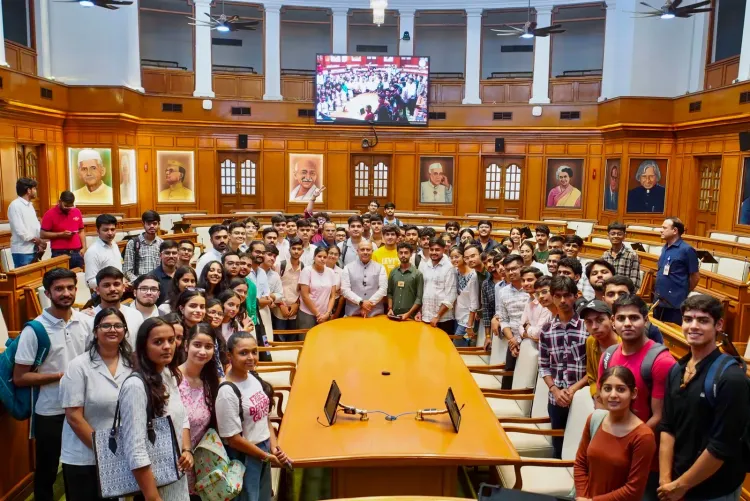
Delhi Assembly Speaker Vijender Gupta opened the Vidhan Sabha's doors to Delhi University students from Kirori Mal and Ramjas colleges, walking them through a building that once housed the Central Legislative Assembly in 1912 and a short film narrated by Anupam Kher — a rare blend of heritage and civics designed to turn Gen Z curiosity into democratic participation.
Key Takeaways
Delhi Assembly Speaker Vijender Gupta hosted students from Kirori Mal and Ramjas colleges at Vidhan Sabha on 25 August 2025 .
The visit was part of the Youth Outreach Initiative by the Delhi Legislative Assembly Secretariat .
Students learned about the Assembly building , constructed in 1912 , which once housed the Central Legislative Assembly and carries the legacy of Vitthalbhai Patel .
A short film on the Assembly's evolution, voiced by Padma Bhushan awardee Anupam Kher , was screened during the session.
Students received the commemorative publication 'Ek Shatabdi Yatra' and a guided tour of the Assembly House chamber .
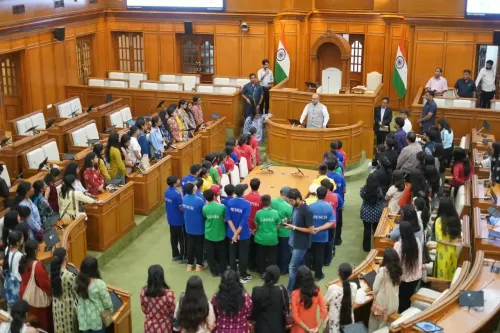
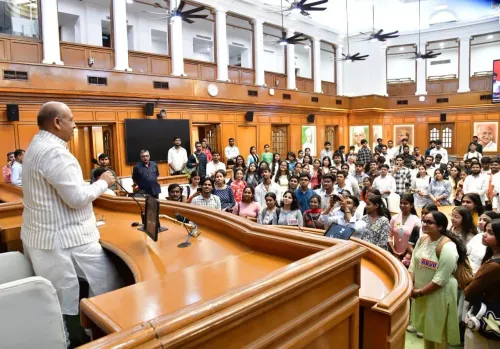
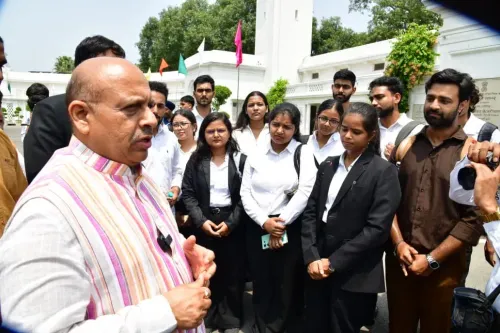
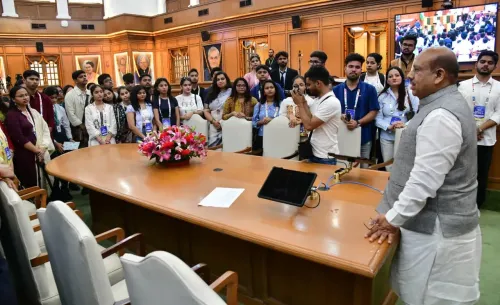
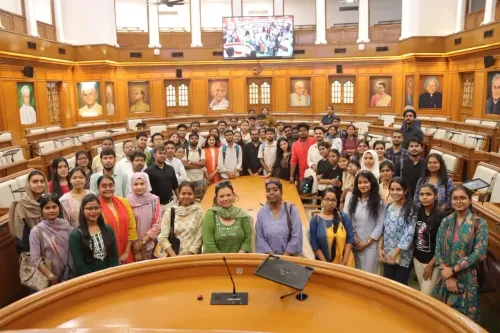
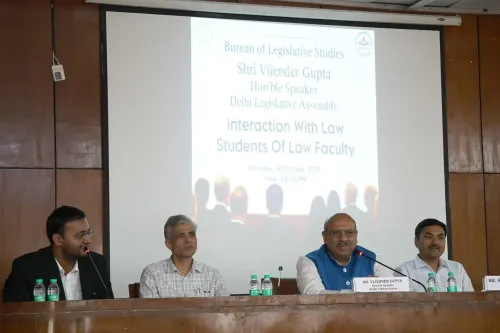
Delhi Assembly Speaker Vijender Gupta on Tuesday, 25 August hosted students from Delhi University's Kirori Mal College and Ramjas College at the Vidhan Sabha, urging them to take an active role in democratic institutions. The interactive session was held under the Assembly's flagship Youth Outreach Initiative, designed to connect India's Gen Z with the mechanics of governance.
What Gupta Said
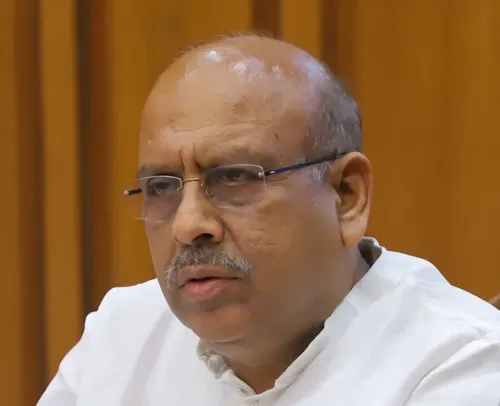
'A strong democracy is built when its young citizens actively engage with its institutions, ideas, and processes,' Gupta said, setting the tone for the visit. He stressed that the vitality of a democratic society depends on an informed, aware, and active youth — and that direct exposure to legislative institutions can transform civic curiosity into meaningful public engagement.
Inside the Visit
Students were taken on an immersive walkthrough of India's parliamentary heritage, beginning with the historical significance of the Assembly building itself. Constructed in 1912, the structure once housed the historic Central Legislative Assembly and carries the legacy of figures such as Vitthalbhai Patel. The Assembly was re-established in 1993, and students received a briefing on its continuing role in Delhi's governance since then.
The programme also featured a comprehensive orientation on legislative procedures — how laws are drafted, debated, and passed — supplemented by a short film on the institution's evolution, narrated by Padma Bhushan awardee Anupam Kher.
What Students Took Away
Each student was presented with 'Ek Shatabdi Yatra', a commemorative coffee table publication documenting a century of Delhi's legislative history. The session concluded with a guided walkthrough of the Assembly House chamber, offering students a first-hand view of where laws governing the capital are deliberated.
Why the Initiative Matters
The Delhi Legislative Assembly Secretariat's Youth Outreach Initiative is structured to demystify legislative processes and build civic responsibility among younger generations. Notably, this comes at a time when political participation among urban youth remains a subject of national debate, with electoral rolls in metros showing lower youth registration rates compared to rural constituencies. Initiatives of this kind aim to close that gap by making governance tangible rather than abstract.
Further outreach sessions under the programme are expected to be extended to more Delhi University colleges in the coming months.
Point of View
But the Delhi Assembly's structured programme — combining heritage briefings, a legislative procedure orientation, and a narrated film — goes a step further than most. The real test is whether a single visit translates into sustained civic interest or remains a one-day school trip. With urban youth registration on electoral rolls lagging behind rural figures, the Assembly would do well to build follow-up mechanisms — debate clubs, model legislature sessions, internships — that convert curiosity into habit. A commemorative book and a chamber tour are a beginning, not an outcome.
NationPress
9 Oct 2026
Frequently Asked Questions
What is the Delhi Assembly's Youth Outreach Initiative?
The Youth Outreach Initiative is a structured programme by the Delhi Legislative Assembly Secretariat that invites college students to Vidhan Sabha to learn about legislative processes, the building's history, and their role in democratic governance. It aims to foster civic responsibility among Gen Z citizens.
Which colleges participated in the 25 August session?
Students from Delhi University's Kirori Mal College and Ramjas College participated in the session hosted by Delhi Assembly Speaker Vijender Gupta on 25 August.
What is the historical significance of the Delhi Assembly building?
The Delhi Assembly building was constructed in 1912 and originally housed the Central Legislative Assembly. It is associated with figures like Vitthalbhai Patel and has served as the seat of Delhi's legislative assembly since its re-establishment in 1993.
Who narrated the short film shown to students during the visit?
The short film documenting the evolution of the Delhi Legislative Assembly was narrated by Padma Bhushan awardee Anupam Kher, and was screened as part of the educational orientation during the visit.
What did students receive during the Vidhan Sabha visit?
Students were gifted 'Ek Shatabdi Yatra', a commemorative coffee table book chronicling a century of Delhi's legislative history, and were taken on a guided tour of the Assembly House chamber.