Delhi Speaker Vijender Gupta plans museum in 1912 Assembly complex
Synopsis
Delhi's Legislative Assembly Speaker Vijender Gupta wants to turn the capital's historic 1912 assembly complex into a public museum — complete with rare artefacts, archival documents, and interactive exhibits. It is a rare move to open what has long been a restricted-access seat of power to ordinary citizens and students.
Key Takeaways
Delhi Assembly Speaker Vijender Gupta announced a museum plan for the historic 1912 Legislative Assembly complex on 1 September .
The museum will feature rare artefacts, archival documents, and interactive exhibits on local governance and constitutional history.
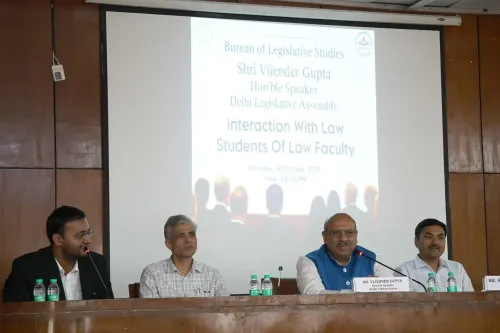
The initiative was announced during the Secretariat's Youth Outreach Initiative , attended by students from seven Delhi University colleges .
The complex traces its heritage from the former Central Legislative Assembly and figures like Vitthalbhai Patel to its current role since 1993 .
No construction timeline or budget has been announced; the project remains at the proposal stage.
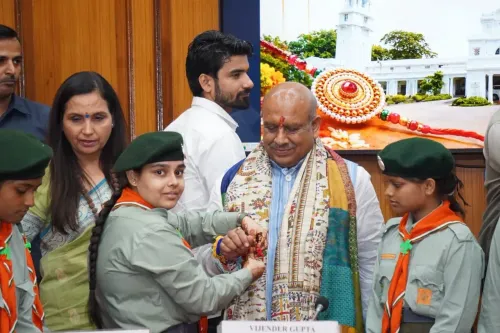
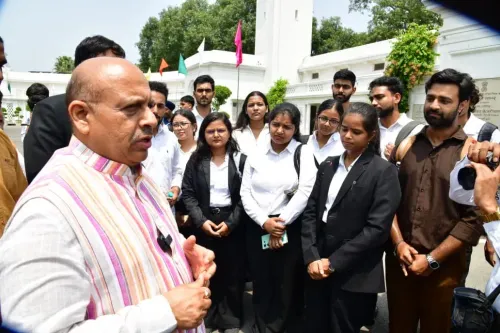
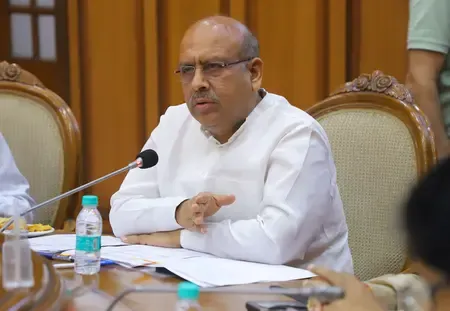
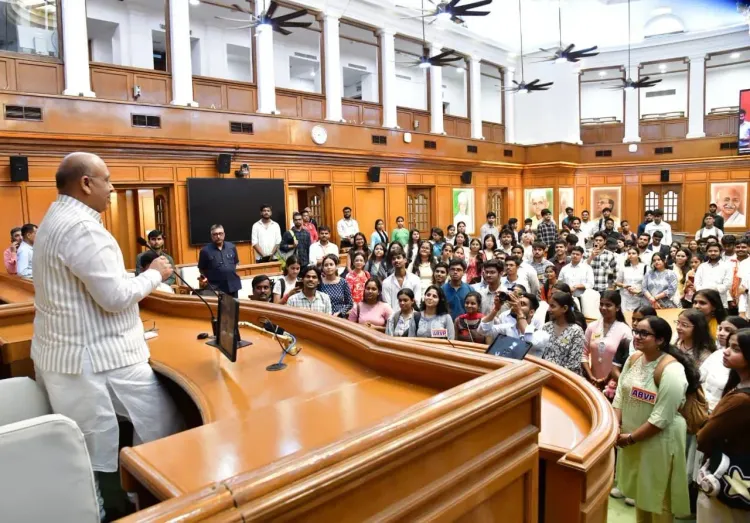
Delhi Legislative Assembly Speaker Vijender Gupta on 1 September announced plans to build a state-of-the-art museum within the historic Delhi Legislative Assembly complex, offering citizens a curated window into the constitutional legacy and architectural heritage of the 1912 landmark. The announcement was made during an address to students gathered under the Secretariat's Youth Outreach Initiative.
What the Proposed Museum Will Feature
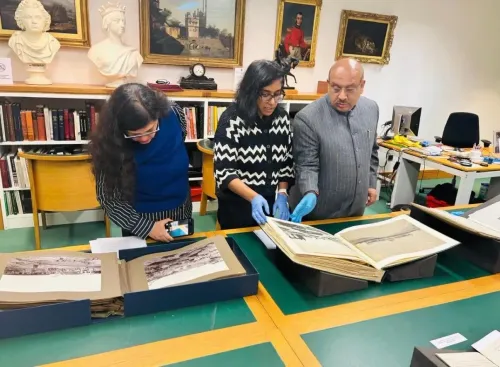
The planned museum will house rare historical artefacts, archival documents, and interactive exhibits charting the evolution of local governance in the capital. According to officials, the initiative aims to convert parts of the historic 1912 site into a public educational destination, giving visitors a tangible connection to foundational moments in India's legislative history.
Speaker Gupta emphasised that the museum will function as an experiential learning hub for Delhi's youth, scholars, and the broader public — transforming the working assembly grounds into what officials described as a 'living cultural centre.'
Youth Outreach at the Heart of the Initiative
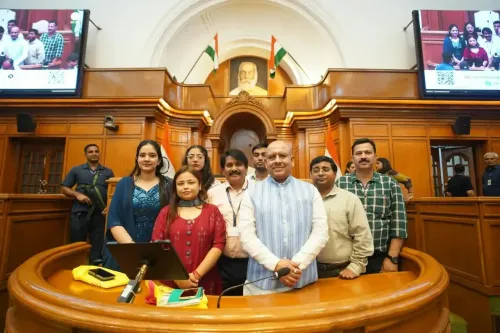
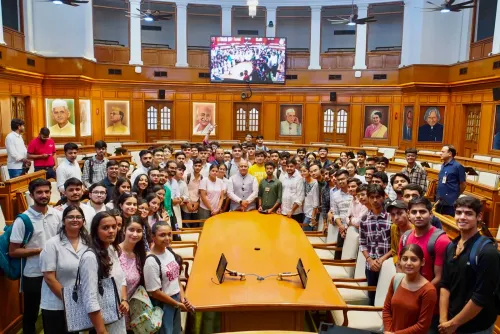
The announcement came as students from several Delhi University colleges — including Bhagini Nivedita College, Shivaji College, Rajdhani College, Shyama Prasad Mukherji College, PGDAV College, Shaheed Bhagat Singh College, and Hansraj College — visited the Delhi Legislative Assembly House for an interactive session.
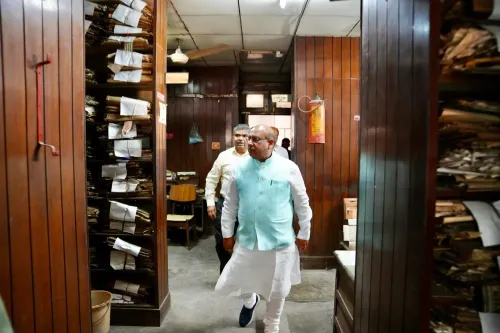
The programme included an orientation on legislative procedures, a documentary screening, and the presentation of the commemorative history book Ek Shatabdi Yatra. The delegation also undertook a comprehensive tour of the complex, tracing its heritage from the former Central Legislative Assembly and figures such as Vitthalbhai Patel to its modern role since 1993.
Civic Ownership and Democratic Heritage
Gupta argued that granting citizens direct access to the seat of local democracy would foster stronger civic ownership and deepen public appreciation for India's democratic traditions. The Secretariat's statement positioned the project as a significant step in heritage preservation for the capital.
Notably, the 1912 complex has rarely been opened as a structured public cultural space, making this proposal a departure from its traditionally restricted-access status.
What Comes Next
No timeline or budget estimate for the museum's construction was announced. The project is currently at the proposal stage, and further details on execution, funding, and public access are awaited from the Secretariat.
Point of View
No timeline, no implementing agency. Delhi's legislative complex has historical depth that most citizens have never accessed, and a well-executed museum could genuinely serve civic education. But assembly-complex heritage projects in India have a pattern of being announced at youth events and quietly shelved. The real test will be whether the Secretariat moves from commemorative history books and guided tours to a funded, time-bound construction plan. Until then, this reads more as a statement of intent than a committed policy.
NationPress
17 Oct 2026
Frequently Asked Questions
What museum has Delhi Speaker Vijender Gupta proposed?
Speaker Vijender Gupta has proposed a state-of-the-art museum inside the Delhi Legislative Assembly complex, featuring rare historical artefacts, archival documents, and interactive exhibits on the evolution of local governance. The announcement was made on 1 September during the Secretariat's Youth Outreach Initiative.
What is the historical significance of the Delhi Legislative Assembly complex?
The complex dates to 1912 and originally housed the Central Legislative Assembly, with notable figures such as Vitthalbhai Patel associated with its history. It has served as Delhi's legislative seat in its current form since 1993.
Who attended the Youth Outreach Initiative event?
Students from seven Delhi University colleges attended — Bhagini Nivedita College, Shivaji College, Rajdhani College, Shyama Prasad Mukherji College, PGDAV College, Shaheed Bhagat Singh College, and Hansraj College.
What activities were held during the students' visit?
The visit included an orientation on legislative procedures, a documentary screening, presentation of the commemorative book Ek Shatabdi Yatra, and a walkthrough of the main Assembly House chamber.
When will the Delhi Assembly museum be built?
No construction timeline or budget has been announced. The project is currently at the proposal stage, with further details on funding and public access yet to be shared by the Secretariat.