What Did Delhi Speaker Review About Air Pollution Hotspots in Rohini?
Synopsis
Delhi Assembly Speaker Vijender Gupta's inspection of Madhuban Chowk reveals alarming dust pollution issues in Rohini. Immediate action plans for dust suppression and infrastructure restoration are crucial for improving air quality in the region.
Key Takeaways
Inspection of dust pollution hotspots in Rohini .
Immediate action plans for dust suppression .
Coordination among civic authorities is crucial .
Road dust significantly impacts air quality .
Focus on school zones and market areas for dust control .
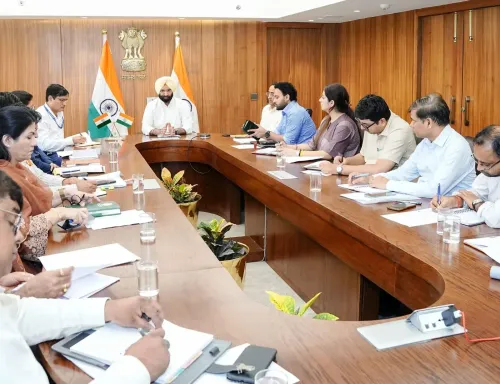
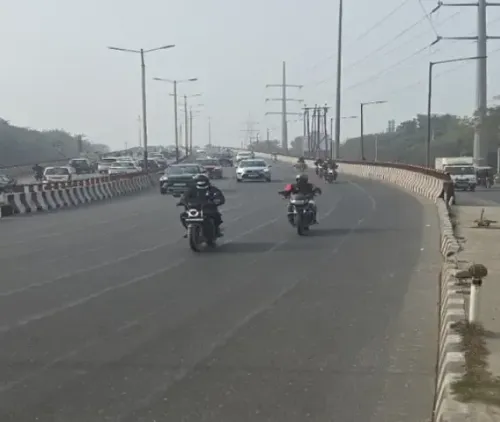
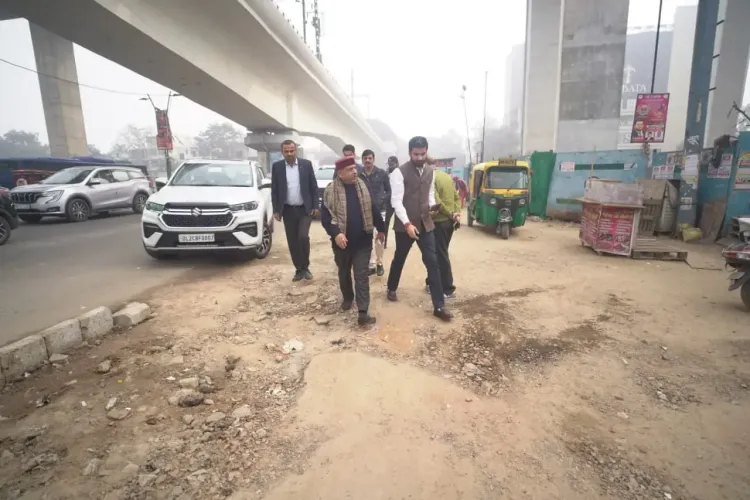
New Delhi, Dec 20 (NationPress) The Speaker of the Delhi Assembly and MLA for Rohini, Vijender Gupta, conducted an inspection on Saturday at the air pollution hotspot located at Madhuban Chowk, in Rohini Sector-8.
Gupta remarked, “The air pollution stemming from road dust and incomplete civic projects is not an unavoidable fact of life but a governance issue that can be addressed with timely actions, collaborative administration, and strict accountability.”
The inspection followed recent evaluations that pinpointed various areas in Rohini as hotspots for dust pollution, where roads are often dug up, unpaved, or covered with loose soil, as mentioned in an official statement.
It was noted that traffic over these exposed areas repeatedly stirs up dust. Additionally, the halting of infrastructure projects, such as drainage work aimed at pollution control, has left road surfaces untreated for long durations.
Gupta pointed out that scientific evaluations consistently highlight road dust as a major contributor to particulate pollution in Delhi, significantly impacting PM10 levels and affecting PM2.5, particularly during winter when stagnant conditions worsen pollution.
He noticed that the issue is exacerbated by incomplete restoration post-utility works, deficiencies in mechanized street cleaning and dust suppression, poor coordination among civic bodies, and traffic-induced dust resuspension on damaged roads.
In response to these observations, the Speaker mandated immediate and visible corrective measures for the identified Rohini hotspots.
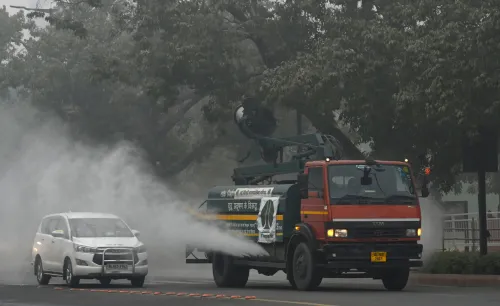
These measures include a strict dust suppression plan involving daily mechanized street cleaning and regular applications of water or approved dust suppressants.
He stressed that where full-scale construction cannot proceed due to regulations, exposed road areas should be temporarily paved or compacted to minimize dust generation.
Special emphasis was placed on school zones and market areas for dust-control measures during peak hours. The Speaker instructed weekly joint inspections by the Delhi Pollution Control Committee (DPCC), Delhi Development Authority (DDA), Municipal Corporation of Delhi (MCD), and Traffic Police, to be supported by geo-tagged reporting and clearly defined compliance timelines.
To tackle administrative and coordination issues, the Speaker proposed the creation of a Rohini Dust Action Cell under his office, aimed at ensuring coordinated efforts among DDA, MCD, DPCC, and Traffic Police.
He emphasized that the lack of a cohesive maintenance and enforcement strategy has resulted in the prolonged neglect of exposed road surfaces and that this fragmentation must be resolved through structured inter-agency cooperation and oversight.
For enduring, long-term solutions, Gupta highlighted the necessity of completing wall-to-wall paving or carpeting of all remaining untarred or frequently damaged roads in Rohini.
Point of View
This article underscores a critical governance issue that directly impacts public health and environmental quality. As urban areas face increasing pollution challenges, the proactive measures taken by officials like Vijender Gupta highlight the necessity for cohesive action and accountability in managing urban infrastructure and environmental health.
NationPress
8 Oct 2026
Frequently Asked Questions
What are the main causes of air pollution in Rohini?
The primary causes of air pollution in Rohini include road dust, unfinished civic works, and inadequate dust suppression measures.
What measures are being taken to combat dust pollution?
Measures include daily mechanized sweeping, regular water sprinkling, and temporary paving of exposed roads.
Who is responsible for the inspections and actions regarding air quality?
Inspections and actions are coordinated by the Delhi Assembly Speaker along with the DPCC, DDA, MCD, and Traffic Police.
How does road dust contribute to air pollution?
Road dust is a significant contributor to particulate pollution, particularly PM10 and PM2.5 levels, especially during stagnant atmospheric conditions.
What is the Rohini Dust Action Cell?
The Rohini Dust Action Cell is a proposed initiative under the MLA’s office to enhance coordination among various civic agencies for effective dust management.