Is Air Pollution Really Shortening Life Expectancy and Lowering Quality of Life in Delhi?
Synopsis
Air pollution in Delhi is more than an environmental issue; it's a public health crisis. Experts warn it's cutting life expectancy, harming productivity, and lowering quality of life. With alarming AQI levels, the need for urgent action and coordinated healthcare reforms is crucial. Will the capital confront this silent killer?
Key Takeaways
Air pollution is a severe public health crisis in Delhi.
It significantly reduces life expectancy and increases health risks.
There is a need for coordinated actions across different sectors.
Vulnerable populations are disproportionately affected.
Immediate attention and accountability are crucial to combat this issue.
New Delhi, Dec 18 (NationPress) Air pollution has evolved beyond being merely an environmental issue; health experts highlighted on Thursday that it is gradually reducing life expectancy, diminishing productivity, and compromising quality of life. This alarming trend comes as the national capital has been experiencing worsening air quality for over a month.
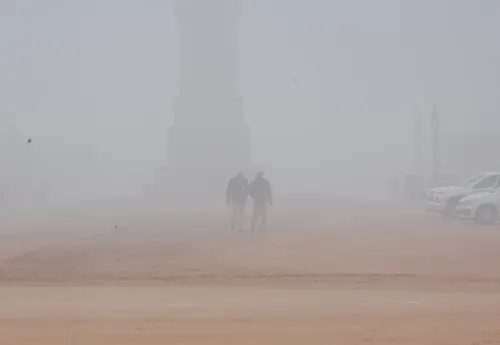
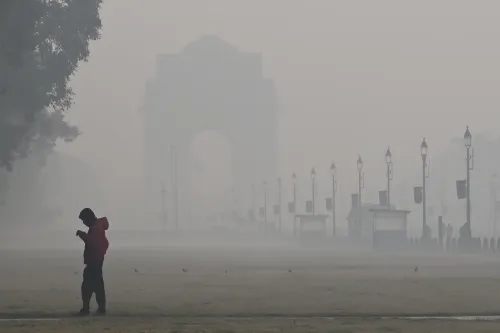
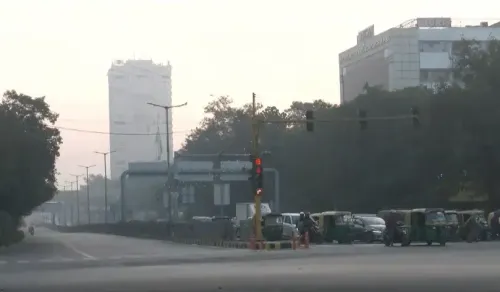
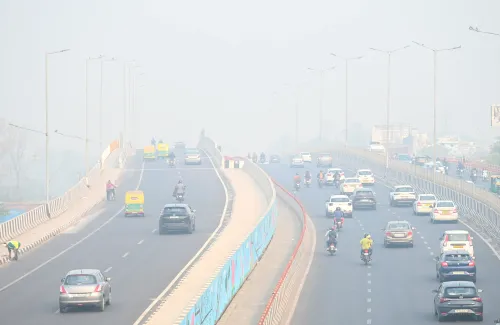
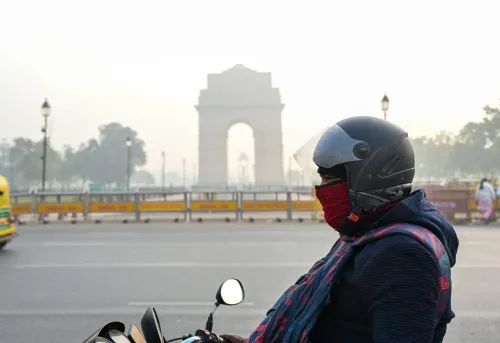
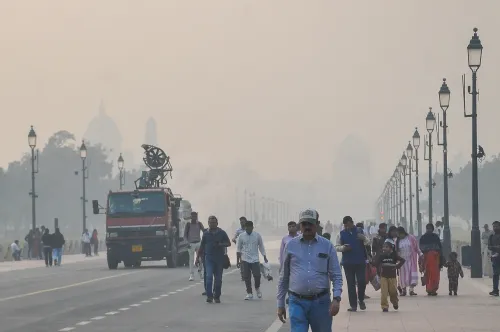
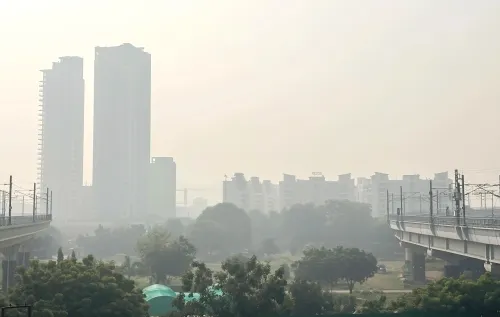
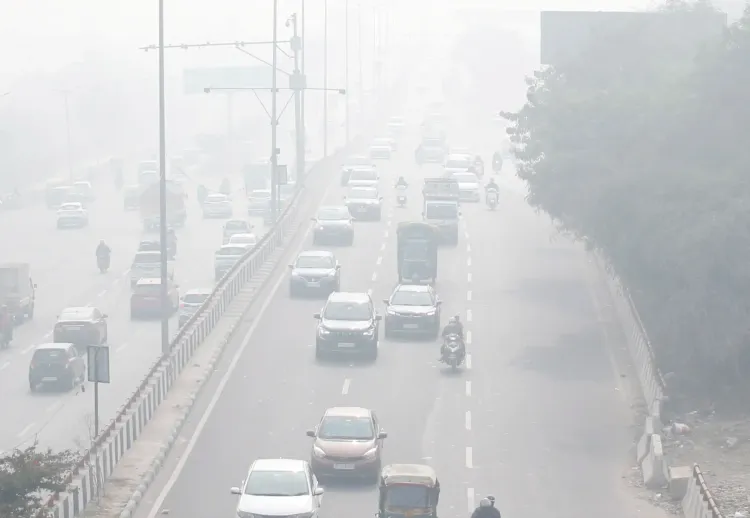
Footage from various locations in Delhi and the NCR displayed significantly reduced visibility as thick smog blanketed roads, residential neighborhoods, and public areas, hampering daily activities and raising health alarms among citizens. Delhi's Air Quality Index (AQI) was recorded at 356, according to the Central Pollution Control Board (CPCB).
Experts observed that continuous exposure to air pollution is undermining India’s economic advancement while leading to an alarming increase in severe health issues, including stroke, cardiovascular diseases, respiratory conditions, and neurological disorders.
This situation is exerting additional pressure on healthcare systems, ultimately diminishing India's long-term growth prospects.
“Extended exposure not only decreases life expectancy; it also raises the number of years individuals live with disabilities. In cities with high pollution levels, people may live longer but suffer from chronic diseases that inhibit productivity, quality of life, and economic input,” stated Rajesh Bhushan, Former Secretary, Ministry of Health and Family Welfare.
“Tackling air pollution necessitates coordinated efforts across healthcare systems, urban planning, and public education, with a stronger emphasis on preventive and primary healthcare,” he added during an event organized by the Illness to Wellness Foundation.
Dr. G. C. Khilnani, a pulmonologist based in Delhi, referred to air pollution as a “man-made public health crisis” that is poised to significantly impact respiratory and cardiovascular health.
“The most harmful consequences of air pollution often go unnoticed; ultra-fine particles infiltrate the lungs, enter the bloodstream, and inflict damage on various organs without early warning signs,” he remarked.
Neurologist Dr. Daljit Singh pointed out that pollution affects brain blood flow, significantly heightening the risk of both ischemic and hemorrhagic strokes.
“We are currently witnessing clear seasonal surges in stroke admissions during months of high pollution, indicating that pollution is becoming a standalone risk factor. Beyond strokes, air pollution is also linked to neurological conditions like Alzheimer’s disease, dementia, and Parkinson’s disease, making this an escalating neurological issue that requires immediate attention,” Singh added.
Dr. Harsh Mahajan, Mentor – FICCI Health Sector, remarked that air pollution has become a silent risk factor exacerbating nearly all categories of disease.
“It disproportionately impacts the underprivileged, children, and outdoor workers, even though they contribute the least to the problem. The perilous misconception is that technology alone will resolve this crisis. What we truly lack is urgency and accountability,” Mahajan cautioned.
The experts stressed the necessity for a long-term commitment, robust enforcement, and informed public engagement to ensure healthier lives and a more resilient economy.
Point of View
It's imperative to recognize that air pollution is not merely an environmental challenge but a critical public health issue that demands immediate attention. The alarming statistics and expert opinions underscore the urgency for coordinated actions at various levels to safeguard the health of our citizens and ensure sustainable development.
NationPress
7 Oct 2026
Frequently Asked Questions
What is the current state of air quality in Delhi?
Delhi has been experiencing significantly poor air quality, with an Air Quality Index (AQI) recorded at 356, indicating hazardous conditions.
What health issues are linked to air pollution?
Air pollution is associated with serious health conditions such as stroke, cardiovascular diseases, respiratory illnesses, and neurological disorders.
How does air pollution affect life expectancy?
Prolonged exposure to air pollution can shorten life expectancy and increase the number of years lived with disability due to chronic illnesses.
What actions can be taken to address air pollution?
Addressing air pollution requires coordinated efforts in healthcare, urban planning, and public awareness, with a focus on preventive measures.
Who is most affected by air pollution?
The underprivileged, children, and outdoor workers are disproportionately affected by air pollution, despite contributing the least to the problem.