How Did Rain and Winds Transform Delhi's Air Quality?
Synopsis
In a surprising turn of events, the air quality in Delhi improved significantly over the weekend due to heavy rainfall and strong winds. This article explores how these weather conditions have provided temporary relief from persistent smog and what it means for the residents. Find out why this improvement is crucial and what residents should expect in the coming days.
Key Takeaways
Rain and winds significantly improved air quality in Delhi.
The AQI dropped to 152, marking a 'moderate' level.
Most areas reported moderate air quality, but some pockets remain poor.
Cold wave conditions are expected to persist across North India.
Ongoing monitoring is essential for sustained air quality improvements.
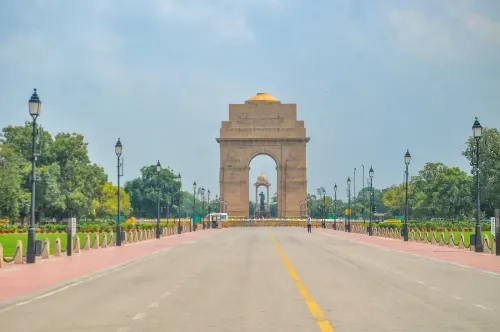
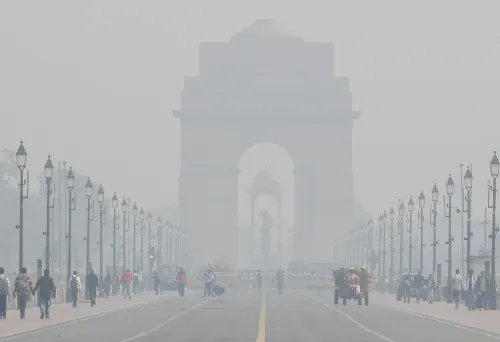
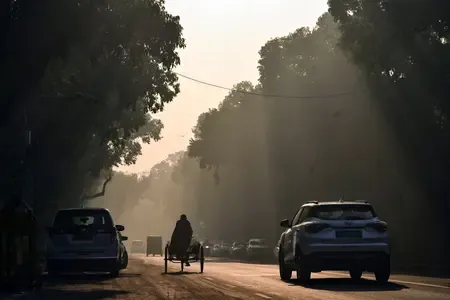
New Delhi, Jan 25 (NationPress) The air quality in Delhi and the National Capital Region (NCR) saw a remarkable enhancement over the weekend due to rainfall, marking the highest single-day precipitation in January in three years, coupled with strong winds on Saturday. This unique weather combination effectively cleared away the toxic smog and pollutants that had settled in the area for weeks.
By Sunday morning, the city’s AQI stood at 152, indicating 'moderate' air quality for the first time in several weeks, as reported by the Central Pollution Control Board (CPCB) via the SAMEER app at 6:05 a.m.
On Saturday, the 24-hour average Air Quality Index (AQI) in Delhi was measured at 192, categorizing it as 'moderate' by 4 p.m. By 10 p.m., the AQI improved to 163, thanks to the sustained gusty winds that continued to disperse airborne pollutants.
Most areas in the city reported moderate air quality, although some localized regions still experienced 'poor' AQI levels. Only NSIT Dwarka recorded an AQI below 100, indicating relatively cleaner air. Officials attributed this improvement primarily to the effects of rainfall and strong north-westerly winds sweeping across the plains.
Meanwhile, cold wave conditions have returned to North India, impacting regions such as Punjab, Haryana, Rajasthan, Uttar Pradesh, and Delhi. The India Meteorological Department (IMD) predicts minimum temperatures in the national capital to range from 4 to 6 degrees Celsius.
Nighttime temperatures are expected to remain low until Tuesday, when a slight increase to 8-10 degrees Celsius is anticipated. Maximum temperatures in the coming days are projected to be between 18 and 21 degrees Celsius.
The IMD has also issued a yellow alert for another round of rain and thunderstorms in Delhi, urging residents to exercise caution. Meteorologists warned that while air quality has temporarily improved, Delhi may face pollution spikes again if dry conditions return post-rainfall.
Thanks to the weekend weather, Delhi breathed easier, enjoying a short reprieve from weeks of smog; however, authorities stressed that ongoing monitoring and pollution control measures remain vital for maintaining cleaner air.
Point of View
The recent improvement in Delhi's air quality due to rainfall and winds is a positive development. It highlights the urgent need for effective pollution control measures to sustain this improvement. While residents can breathe a sigh of relief temporarily, long-term strategies are essential to combat air pollution consistently. The nation must stay vigilant in ensuring cleaner air for all.
NationPress
28 Sept 2026
Frequently Asked Questions
What caused the improvement in Delhi's air quality?
The improvement in Delhi's air quality was primarily due to heavy rainfall and strong winds that swept away the accumulated smog and pollutants.
What is the current AQI level in Delhi?
As of Sunday morning, the AQI in Delhi is recorded at 152, which falls under the 'moderate' category.
Are there any areas in Delhi with poor air quality?
Yes, while most areas reported moderate air quality, a few pockets still showed poor AQI levels.
What is the forecast for temperatures in Delhi?
The IMD predicts minimum temperatures to range from 4 to 6 degrees Celsius, with maximum temperatures between 18 and 21 degrees Celsius over the next few days.
Is there another rain spell expected soon?
Yes, the IMD has issued a yellow alert for another round of rain and thunderstorms in Delhi, advising residents to remain cautious.