Is Diego Garcia Essential for Indo-Pacific Security Against China?
Synopsis
The strategic significance of Diego Garcia emerges as a pivotal point in U.S. efforts to counter China's influence in the Indo-Pacific. Lawmakers stress the importance of safeguarding Indian Ocean sea lanes, as they serve as the backbone for global trade and energy supply. This article delves into the pressing geopolitical dynamics at play.
Key Takeaways
Diego Garcia is crucial for US military operations in the Indian Ocean.
Protecting Indian Ocean sea lanes is vital for global trade.
China’s influence poses challenges to regional autonomy.
Strategic partnerships are essential to counterbalance China.
US must offer viable alternatives to regional nations.
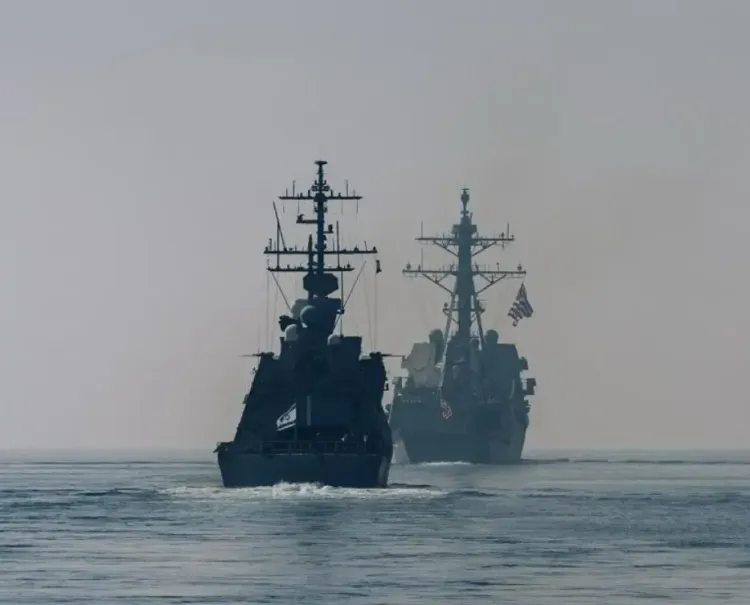
Washington, Feb 12 (NationPress) Highlighting the crucial role of the US naval support facility at Diego Garcia, both lawmakers and a high-ranking State Department official have emphasized that protecting the sea lanes of the Indian Ocean is essential for countering China’s increasing dominance in the Indo-Pacific.
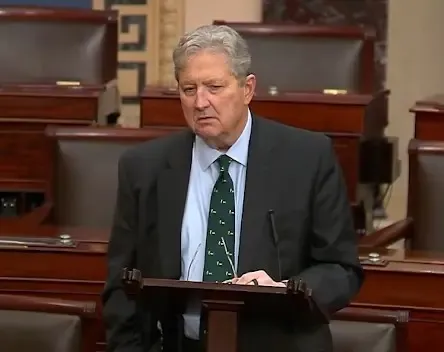
During a House subcommittee session focused on South and Central Asia, Congressman Bill Huizenga remarked: “The Indian Ocean is among the most heavily trafficked maritime corridors globally, serving as the lifeline for international trade and energy, with over 80 percent of the world’s seaborne oil trade passing through it.”
“Protecting these vital sea lanes through bolstered naval collaboration with allies will effectively counter China's expanding reach and mitigate its harmful activities in the region,” he added.
Huizenga highlighted the significance of the US naval base in the area. “I recognize the critical nature of our naval base on Diego Garcia, situated centrally in the Indian Ocean,” he stated, further asserting that “maintaining America's military strength in this region will deter Chinese intimidation, curb piracy, and guarantee the uninterrupted flow of trade for both the US and the world.”
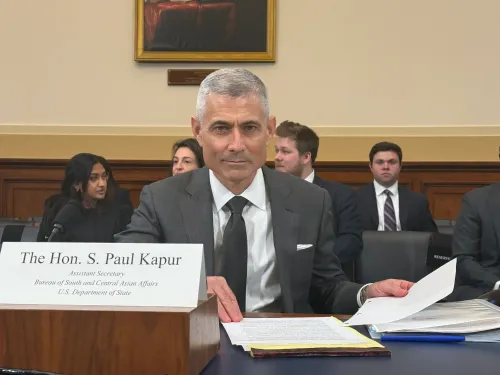
Assistant Secretary of State for South and Central Asian Affairs, Paul Kapur, supported this strategic perspective, positioning the Indian Ocean as a focal point of overarching Indo-Pacific policy.
“The Indian Ocean is, in fact, the 'Indo' component of the Indo-Pacific,” Kapur explained. “One of the key insights of this term is that it acknowledges the need for a comprehensive approach to the region.”
“When considering the Pacific, it cannot be viewed in isolation; it connects directly to the Indian Ocean and even extends to the eastern coast of Africa,” he added.
Regarding Diego Garcia specifically, Kapur commented: “Diego Garcia is located in the heart of the ocean and serves as a crucial outpost for projecting air power.”
“The President has acknowledged it as an essential asset,” he stated.
Lawmakers also expressed concerns regarding China’s increasing infrastructure development in Indian Ocean nations.
Kapur cautioned that smaller regional nations could exert a significant influence on trade and energy dynamics due to their geographical positions, emphasizing the need for strategic independence.
“It is vital for these countries to retain their autonomy and not fall victim to coercion from China through predatory financial practices,” he remarked.
Referring to Sri Lanka's Hambantota Port, he indicated: “Consider Sri Lanka and its Hambantota Port; they are bound by a 99-year lease. Those are the types of threats posed by Chinese development initiatives.”
When inquired about Chinese engagements in the Maldives, Kapur acknowledged: “There has been some Chinese investment there,” adding that Beijing is indeed “showing interest.”
He asserted that Washington must present viable alternatives.
“We need to offer alternatives that are high-quality, transparent, and non-coercive,” Kapur stated, highlighting US financing strategies, technology, and private sector involvement.
The discussions underscored a bipartisan apprehension regarding China’s attempts to enhance its economic and strategic influence across vital maritime chokepoints in the Indian Ocean, a region essential for global energy supplies and trade routes.
Diego Garcia, located in the British Indian Ocean Territory, has functioned for decades as a pivotal US logistics and air operations center, facilitating missions throughout the Middle East, Africa, and Asia.
The sea lanes of the Indian Ocean connect energy suppliers in the Gulf to markets in Asia and beyond, making control and access to maritime infrastructure critical to the strategic rivalry between Washington and Beijing.
Point of View
The ongoing geopolitical tensions necessitate a vigilant approach to safeguarding maritime routes. Diego Garcia stands as a crucial asset in this endeavor, representing both a military and commercial lifeline. The situation underscores the importance of alliances and proactive strategies to counterbalance China's ambitions in the region, ensuring that nations can navigate these challenges with autonomy and resilience.
NationPress
24 Oct 2026
Frequently Asked Questions
What is the significance of Diego Garcia?
Diego Garcia is a key US naval support facility that plays a crucial role in safeguarding Indian Ocean sea lanes, which are vital for global trade and energy supplies.
How does Diego Garcia impact US-China relations?
The facility is central to US efforts to counter China's growing influence in the Indo-Pacific, particularly in maintaining security and stability in critical maritime routes.
Why are the Indian Ocean sea lanes important?
These sea lanes carry over 80% of the world's seaborne oil trade and are essential for connecting energy producers to markets, making them a focal point in global commerce.
What concerns are raised about China's actions in the region?
Lawmakers express concerns about China's expanding infrastructure footprint and predatory financial practices in smaller regional countries, which could threaten their autonomy.
What alternatives can the US provide to counter Chinese influence?
The US aims to offer high-quality, transparent, and non-coercive alternatives through financing tools, technology, and private sector engagement.