Tamil Nadu's Election Reform: 80% Reduction in Paper Use Through Digital Innovations
Synopsis
Chennai is seeing a significant reduction in paper usage during elections, thanks to the adoption of digital technologies. This shift not only streamlines processes but also promotes environmental sustainability, marking a pivotal change in Tamil Nadu's electoral landscape.
Key Takeaways
Tamil Nadu has achieved an impressive 80% reduction in paper use during elections.
The integration of mobile applications has streamlined electoral processes.
This transition promotes environmental sustainability in the electoral landscape.
Challenges related to plastic waste and non-recyclable materials remain.
Activists are advocating for biodegradable materials and better waste management practices.
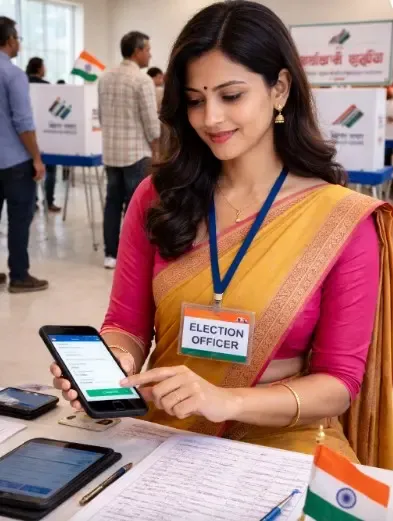
Chennai, April 11 (NationPress) The electoral landscape in Tamil Nadu is witnessing a remarkable shift, driven by the adoption of digital technologies that have significantly lowered paper usage during elections.
According to officials, the implementation of mobile application systems has not only streamlined electoral operations but also enhanced the environmental sustainability of the process.
Recent statistics from the Election Commission underscore the extent of this transformation. The consumption of A4 sheets, once a fundamental part of polling documentation, has plummeted over recent elections. From approximately 41 lakh sheets used in the 2011 and 2016 Assembly elections, the number has sharply reduced to just 8.73 lakh sheets in 2021. This dramatic decline is primarily due to the rollout of mobile applications that facilitate real-time data entry and transmission.
Election officials now depend on digital uploads to capture polling percentages, voter turnout, and counting results, which has drastically cut down the reliance on manual paperwork at polling stations. This transition has markedly improved both operational efficiency and accuracy.
“Digital tools have eliminated redundancies and minimized delays in data processing. Tasks that previously required extensive paper-based reporting can now be accomplished instantly via mobile platforms,” shared a source from the Election Department.
Historically, each polling station required between 60 and 70 A4 sheets to document voter information, polling statistics, and other records. However, with the advent of digital platforms, these requirements have significantly decreased, enabling more efficient data entry, storage, and transmission.
Election authorities note that about 22 types of stationery are typically utilized during polling and counting, with items like A4 sheets, ballpoint pens, and packing materials being the most consumed. Nevertheless, the shift towards app-based reporting and results compilation has led to what officials describe as a fivefold reduction in paper usage since 2021.
This change has been particularly noticeable in recent elections, where mobile applications provided real-time updates on polling percentages and counting outcomes, thereby reducing the necessity for physical documentation and manual data consolidation.
However, environmentalists caution that challenges extend beyond just paper consumption. They highlight that election-related waste, including plastics and non-recyclable materials, continues to raise ecological concerns.
Consequently, activists are advocating for a more comprehensive sustainability framework, urging authorities to adopt biodegradable materials and implement stricter waste management practices to ensure that elections evolve into a fully eco-friendly process in the future.
Point of View
The digital transformation in Tamil Nadu's electoral process is a commendable example of how technology can enhance efficiency while promoting sustainability. It reflects a growing awareness of environmental responsibilities in governance, setting a precedent for other states to follow.
NationPress
16 Sept 2026
Frequently Asked Questions
How has Tamil Nadu reduced paper usage in elections?
The state has significantly decreased paper consumption by implementing mobile application systems for real-time data entry and reporting, leading to an 80% reduction in paper use.
What are the environmental benefits of this digital shift?
The digital transition promotes environmental sustainability by minimizing paper waste and reducing the ecological impact of election-related materials.
What challenges remain despite this progress?
Environmental experts point out that issues like plastic waste and non-recyclable materials continue to pose ecological challenges during elections.
What are activists advocating for regarding election materials?
Activists are calling for the adoption of biodegradable materials and stricter waste management practices to ensure elections are fully eco-friendly.
What is the significance of mobile applications in the election process?
Mobile applications streamline data entry, improve accuracy, and reduce the need for manual paperwork, enhancing overall election efficiency.