Digvijaya Singh moves SC over SIR electoral roll deletions, targets CEC
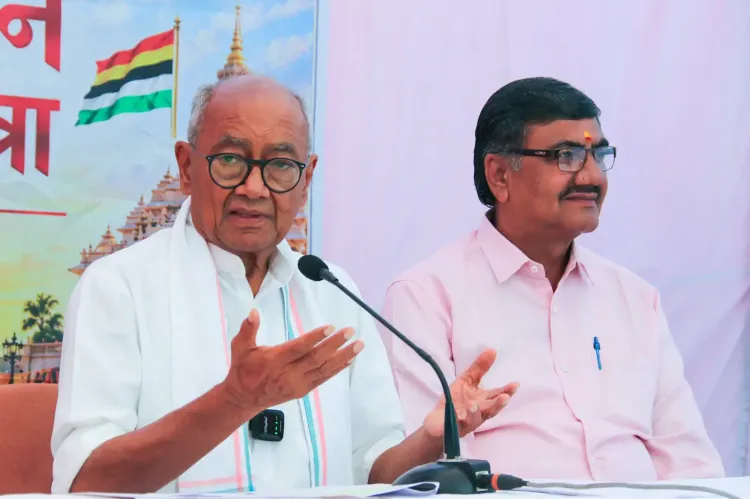
Synopsis
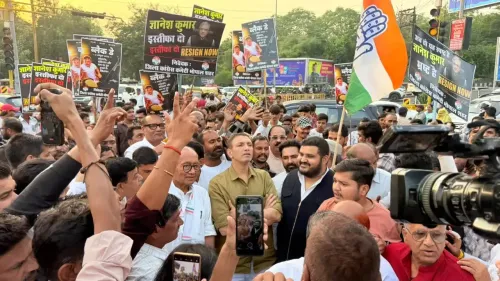
Congress leader Digvijaya Singh has taken the Special Intensive Revision of electoral rolls to the Supreme Court, alleging that over 13 crore eligible voters were illegally deleted — and directly accusing Chief Election Commissioner Gyanesh Kumar of acting unilaterally. With the writ petition admitted under Article 32, the judiciary is now set to scrutinise the Election Commission's roll management systems.
Key Takeaways
Digvijaya Singh filed a writ petition in the Supreme Court on 12 October 2026 under Article 32 , challenging the Special Intensive Revision (SIR) of electoral rolls.
The apex court admitted the petition; Singh confirmed this on 15 October 2026 .
Singh alleges procedural irregularities in Form-6 and claims more than 13 crore eligible voters were deleted from voter lists.
The petition seeks a probe into 97 voter exclusions in Goa and over 16 lakh Form-7 appeals in West Bengal .
Singh has directly accused Chief Election Commissioner Gyanesh Kumar of taking unilateral decisions without consulting the full three-member commission.
Time-bound relief and transparent safeguards for Forms 6 and 7 and electoral roll management systems have been sought.
Senior Congress leader and former Madhya Pradesh Chief Minister Digvijaya Singh has moved the Supreme Court challenging the Special Intensive Revision (SIR) of electoral rolls, alleging that procedural irregularities led to the deletion of more than 13 crore eligible voters. Singh confirmed on Thursday, 15 October 2026, that the apex court had admitted his writ petition, filed on 12 October under Article 32 of the Constitution.
What the Petition Challenges
At the centre of Singh's petition is an additional declaration allegedly introduced in online Form-6 — the application form used for inclusion in electoral rolls. According to Singh, the declaration requires applicants to confirm whether their names, or those of their parents or grandparents, appeared in the previous SIR electoral roll. He argued that applicants could not submit the online form without providing this information and alleged the requirement was introduced without following the prescribed legal procedure.
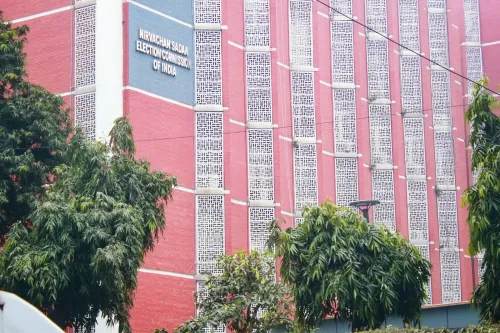
Singh has sought a declaration that the requirement is illegal and asked the court to summon records relating to its introduction and approval. The petition also reportedly seeks the disclosure of technical instructions, operational details, and audit records of the Election Commission's ECINET and ERO-NET systems used for electoral roll management.
Allegations of Irregular Deletions
Singh has further alleged that voters' names were deleted without proper inquiry on the basis of bulk objections submitted through Form-7, which is used to seek the removal of names from electoral rolls. He has specifically sought a probe into the alleged exclusion of 97 voters in Goa despite their being found eligible, and into more than 16 lakh Form-7 appeals in West Bengal.
Citing Article 326 of the Constitution — which provides for elections on the basis of adult suffrage — Singh argued that the inclusion and deletion of names must strictly follow prescribed legal procedure, with the Electoral Registration Officer (ERO) exercising the relevant authority.
Singh's Accusations Against the CEC
Singh levelled direct allegations against Chief Election Commissioner Gyanesh Kumar, accusing him of taking unilateral decisions without consulting the other two members of the three-member Election Commission. In a statement, Singh said: 'I am deeply hurt by the despicable and unconstitutional act committed by Chief Election Commissioner Shri Gyanesh Kumar by misusing the S.I.R. process to snatch away the voting rights of the country's voters.'
He also alleged that the process was used to benefit the Bharatiya Janata Party (BJP), claiming that 'names of more than 13 crore eligible voters were deleted from the voter lists to make BJP win.' The Election Commission has not yet publicly responded to these specific allegations.
Relief Sought and What Comes Next
Singh has requested time-bound relief for eligible voters affected by the revision, along with transparent safeguards governing Forms 6 and 7 and electronic electoral roll management. With the Supreme Court having admitted the writ petition, the case is set to receive judicial scrutiny of the SIR process — a development that could have significant implications for electoral roll management ahead of upcoming state and general elections.
Point of View
Or whether bulk Form-7 deletions can be weaponised against targeted voter groups without adequate ERO scrutiny. Singh's allegation that over 13 crore names were deleted is extraordinary — if borne out, it would represent one of the largest disenfranchisement episodes in democratic history; if not, it illustrates how electoral roll data is increasingly contested political terrain. The Supreme Court's decision to admit the petition signals it sees a triable issue, but the gap between admission and relief is wide. What the case will actually reveal is whether the Election Commission's ECINET and ERO-NET audit trails are robust enough to withstand judicial examination — something that should concern all parties, not just the Congress.
NationPress
15 Oct 2026
Frequently Asked Questions
What is the Special Intensive Revision (SIR) of electoral rolls?
The Special Intensive Revision (SIR) is a process conducted by the Election Commission of India to update and clean up electoral rolls, adding new eligible voters and removing those who are no longer eligible. Digvijaya Singh's petition alleges that the latest SIR was conducted with procedural irregularities, resulting in the deletion of over 13 crore eligible voters.
Why has Digvijaya Singh moved the Supreme Court over the SIR process?
Singh has challenged the SIR on grounds that an additional declaration introduced in online Form-6 was added without following the prescribed legal procedure, and that voters' names were deleted in bulk via Form-7 without proper individual inquiry. He also alleges the process was used to benefit the BJP and that Chief Election Commissioner Gyanesh Kumar acted unilaterally.
What relief has Digvijaya Singh sought from the Supreme Court?
Singh has sought a declaration that the additional Form-6 requirement is illegal, production of audit records for the Election Commission's ECINET and ERO-NET systems, a probe into specific voter exclusions in Goa and West Bengal, and time-bound relief for eligible voters affected by the revision process. He has also asked for transparent safeguards governing electronic electoral roll management.
What are the allegations against Chief Election Commissioner Gyanesh Kumar?
Singh has alleged that Chief Election Commissioner Gyanesh Kumar took unilateral decisions regarding the SIR process without consulting the other two members of the three-member Election Commission, which Singh describes as unconstitutional. The Election Commission has not publicly responded to these allegations.
What happens now that the Supreme Court has admitted the petition?
With the petition admitted under Article 32, the case will receive full judicial scrutiny of the SIR process and the Election Commission's roll management systems. The outcome could have significant implications for electoral roll procedures ahead of upcoming state and general elections across India.