US lawmaker Dingell flags China-linked connected car security risk
Synopsis
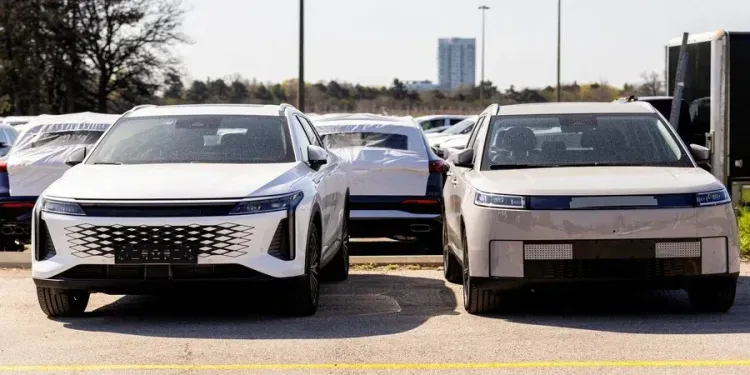
A US Commerce Department clearance allowing a China-linked automaker to keep selling connected vehicles in America has triggered a national security alarm from Rep. Debbie Dingell. Her warning: connected cars harvest geolocation, driving patterns and infrastructure data — and PRC-linked firms operate under laws that can compel cooperation with Beijing's intelligence services.
Key Takeaways
Debbie Dingell wrote to Commerce Secretary Howard Lutnick flagging national security risks from a China-linked automaker's authorisation.
The clearance was granted by the Office of Information and Communications Technology and Services (OICTS) .
Connected vehicles can collect geolocation, driving, infrastructure and personal data, and allow remote access to vehicle functions.
Dingell warned waiver processes risk creating loopholes for entities with ties to the People's Republic of China .
She has demanded a Commerce Department briefing on criteria, safeguards and inter-agency coordination behind the decision.
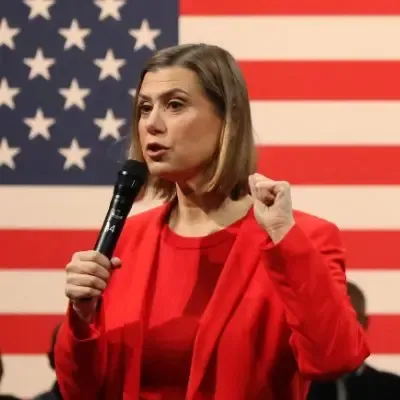
US Representative Debbie Dingell, a Michigan Democrat, has raised sharp national security concerns over a Commerce Department decision permitting a foreign automaker with substantial ties to China to continue selling and producing connected vehicles in the United States. In a letter to Commerce Secretary Howard Lutnick, Dingell warned the authorisation could expose sensitive American data, weaken safeguards and open loopholes in rules designed to keep Chinese technology out of the US auto market.
What the authorisation does
The clearance was granted by the Office of Information and Communications Technology and Services (OICTS), despite the administration's existing connected vehicle security restrictions. Dingell argued the approval appears to create a pathway for entities with substantial ownership, operational or governance ties to the People's Republic of China (PRC) to keep accessing the US market.
'The Department of Commerce finalized these rules because connected vehicle technologies present clear national security risks,' Dingell wrote.
Why connected vehicles worry lawmakers
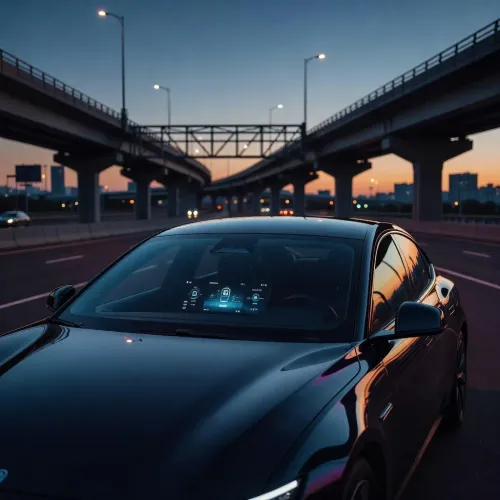
Modern connected vehicles, the congresswoman noted, can collect and transmit vast volumes of sensitive information — including geolocation data, driving patterns, infrastructure mapping, operational diagnostics and personal consumer details. They can also enable remote access to vehicle functions.
'As the Department itself recognized, these technologies are vulnerable to exploitation by our adversaries and could be leveraged for surveillance, intelligence gathering, or disruption of critical infrastructure,' Dingell said.
She added that Chinese companies operate under laws that can compel cooperation with Beijing and its intelligence agencies, and that such concerns 'cannot be mitigated simply through corporate restructuring, branding distinctions, or supply chain adjustments.'
The loophole concern
Dingell cautioned that existing waiver and authorisation processes could erode the rule's effectiveness if exemptions are extended to PRC-linked firms. 'If entities tied to the PRC are permitted to continue operating in our market through exemptions or special authorizations, it risks weakening the very protections the rule was designed to establish,' she wrote.
Beyond security, she flagged that China's auto industry benefits from 'extensive state support, industrial overcapacity, unfair trade and labor practices, and distorted market conditions' that threaten the long-term competitiveness of the US sector.
What Dingell is demanding
The lawmaker has sought a briefing from the Commerce Department on the basis for the authorisation, the criteria used to clear it, safeguards imposed on the company and the extent of coordination with intelligence and national security agencies before the decision. She also asked whether similar clearances could be granted to other entities linked to foreign adversaries, and how the department plans to prevent circumvention via joint ventures, licensing or indirect ownership structures.
What happens next
The issue is being closely tracked by the global automotive industry as software, sensors and data networks become central to vehicle architecture. With data security and foreign influence now core policy battlegrounds in both the United States and Europe, the Commerce Department's response could shape how Washington enforces its connected vehicle rule going forward.
Point of View
Discretionary waivers at the bottom. Connected vehicles are arguably the largest mobile data-collection devices ever sold to consumers, and any PRC-linked exemption tests the credibility of the entire framework. The deeper question — left unanswered — is whether the Commerce Department has the bandwidth and intelligence-sharing rigour to police corporate restructuring designed precisely to bypass these restrictions. Without transparency on the criteria used, the rule risks becoming symbolic.
NationPress
21 Oct 2026
Frequently Asked Questions
What is the US connected vehicle rule?
It is a Commerce Department framework restricting the sale and production of connected vehicles in the United States that use hardware or software linked to foreign adversaries, including China. The rule cites risks from data collection, remote vehicle access and potential intelligence exploitation.
Why is Rep. Debbie Dingell concerned about the recent authorisation?
Dingell argues the clearance granted by the OICTS allows a foreign automaker with substantial ties to China to keep operating in the US market, undermining the rule's intent. She warns it could expose sensitive data and create loopholes through corporate restructuring or indirect ownership.
What kind of data do connected vehicles collect?
Connected vehicles can collect and transmit geolocation data, driving patterns, infrastructure mapping, operational diagnostics and personal consumer information. They can also enable remote access to vehicle functions, which lawmakers say raises surveillance and critical-infrastructure risks.
What has Dingell asked the Commerce Department to do?
She has requested a briefing on the basis for the authorisation, the criteria used to clear it, the safeguards imposed on the company and the coordination with intelligence and national security agencies. She has also sought clarity on whether similar approvals could be given to other foreign-adversary-linked entities.