How is the DMK Youth Wing Reviving Grassroots ‘Mandrams’ Ahead of the 2026 TN Assembly Elections?
Synopsis
The DMK Youth Wing is revitalizing traditional 'mandrams' across Tamil Nadu to engage a new generation of political cadres. This initiative aims to strengthen grassroots participation and ideological training as the party prepares for the 2026 Assembly elections.
Key Takeaways
Revival of mandrams for grassroots political engagement.
Focus on ideological training for youth.
Launch led by Udhayanidhi Stalin .
Initiative aims to strengthen political base ahead of elections.
Activities to include discussions and outreach programs.
Chennai, Feb 21 (NationPress) In an effort to connect with the younger demographic, certain factions of the DMK's senior leadership are embracing modern outreach methods. Meanwhile, the DMK Youth Wing has initiated the revival of traditional ‘mandrams’ throughout Tamil Nadu, serving as organized training ground for a new cadre generation at the grassroots level.
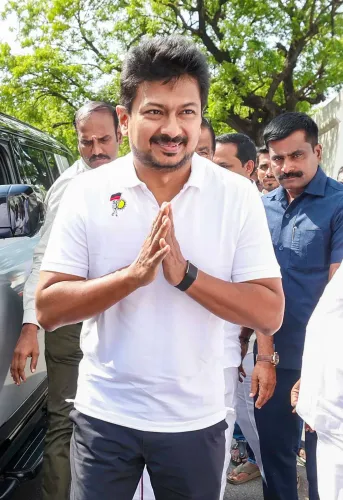
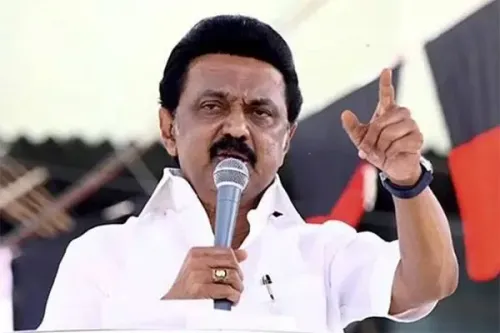
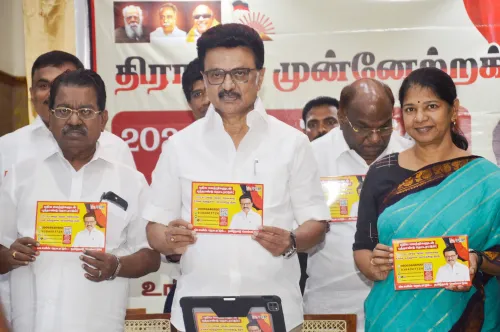
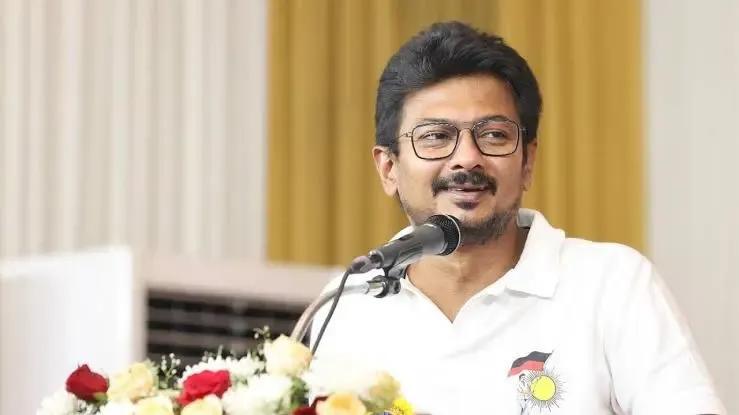
The inaugural phase of this important initiative kicked off on Thursday in the western region of the Thousand Lights Assembly constituency in Chennai West district, led by Youth Wing secretary and Deputy Chief Minister Udhayanidhi Stalin.
This initiative aims to establish youth mandrams in every street, each comprising at least 20 members, signifying a robust endeavor to institutionalize political involvement at the community level.
According to party insiders, this strategy is designed to enhance ideological education and deepen grassroots political engagement, especially as political mobilization increasingly relies on digital campaigns and social media.
By reinstating mandrams, the DMK seems to be reaffirming its traditional approach to cadre-based politics, grounded in collective education and structured discourse.
Historically, mandrams served as ideological hubs within the Dravidian movement, often named after influential leaders like Thiruvalluvar, Periyar, C.N. Annadurai, and M. Karunanidhi. These platforms acted as local political schools.
Members convened to read party literature, deliberate on current political issues, address social challenges, and coordinate neighborhood campaigns and street meetings.
Senior officials regard this current initiative as a bid to recreate that environment of political education.
Planned activities will include group reading sessions, policy discussions, outreach initiatives, and small public gatherings aimed at introducing young participants to the ideological underpinnings of the Dravidian movement.
This effort also draws inspiration from former Chief Minister M. Karunanidhi’s early 1990s experiment with the Dravida Marumalarchi Mamandram, which launched a postal-based program to provide structured ideological training for party members.
Political analysts interpret the revival of mandrams as a tactical maneuver in anticipation of the upcoming elections, particularly in light of evolving voter demographics.
With new political entities emerging and some young voters perceived as less ideologically engaged, the DMK’s renewed focus on developing its cadre indicates a long-term strategy aimed at solidifying its grassroots presence and reinforcing Dravidian political dialogue among future generations.
Point of View
The revival of ‘mandrams’ by the DMK Youth Wing signifies a significant shift towards grassroots political engagement. As political dynamics evolve, fostering ideological understanding among youth is crucial for the longevity and relevance of political parties in India.
NationPress
26 Sept 2026
Frequently Asked Questions
What are 'mandrams' in the context of DMK?
Mandrams are traditional forums used by the DMK for ideological discussions, education, and grassroots political engagement, historically acting as local political schools.
Why is the DMK reviving 'mandrams' now?
The revival is aimed at strengthening grassroots participation and ideological training in preparation for the 2026 Assembly elections as voter demographics shift.
Who is leading the initiative to revive 'mandrams'?
The initiative was launched by Youth Wing secretary and Deputy Chief Minister Udhayanidhi Stalin.
What activities are planned for these 'mandrams'?
Activities will include collective reading sessions, policy discussions, outreach programs, and public meetings to familiarize young members with Dravidian ideology.
What historical significance do 'mandrams' hold?
Historically, 'mandrams' served as ideological nerve centers for the Dravidian movement, fostering political education and community engagement.