Mastung shelling kills dozens, injures hundreds in Balochistan
Synopsis
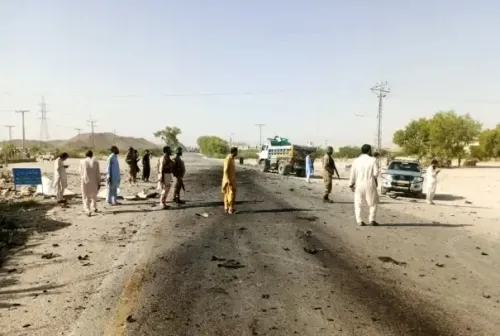
A Mastung elders' delegation told National Party leader Abdul Malik Baloch that Pakistani forces' shelling killed over a dozen people and injured hundreds, with about 70,000 affected and 24-hour eviction orders. Markets in Gurgina were reportedly burnt, after a Saturday mortar barrage and a Sunday drone strike that wounded three civilians.
Key Takeaways
Over a dozen people were killed and hundreds injured in shelling by Pakistani forces in Mastung , elders told Abdul Malik Baloch on Tuesday .
Military operations reportedly affected around 70,000 people across four union councils , with 24-hour eviction notices alleged.
Killi Pasund Khan market in Gurgina was reportedly burnt, with losses estimated at tens of millions of rupees; shops in Killi Guftari and Killi Khurasani were also said to have been set ablaze.
Three civilians were injured in a drone strike near the Sangar railway crossing late Sunday night, one of them critically, residents said.
Mortar shells allegedly hit residential areas in Mastung's Gurgina during a Saturday military operation.
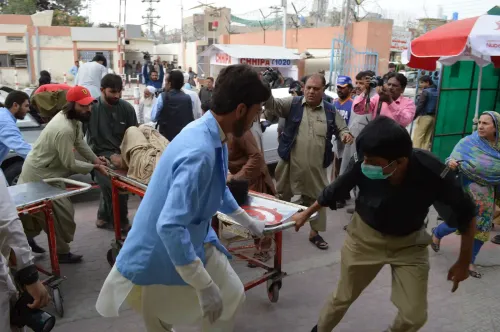
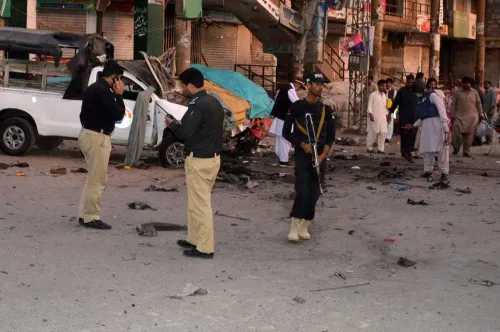
Over a dozen people were killed and hundreds injured in shelling by Pakistani forces in Balochistan's Mastung district, a delegation of local elders and representatives told National Party leader Abdul Malik Baloch on Tuesday, according to local media reports. The briefing, conveyed in Quetta on 25 November, said military operations had affected around 70,000 people across four union councils, with residents allegedly given 24 hours to vacate their homes.
What the Mastung delegation reported
The group, from Kardegap tehsil of Mastung, met Baloch to seek his intervention for residents' safety and compensation for losses. According to the elders, operations had swept through four union councils, disrupting civilian life on a scale they described as far beyond a limited raid. They alleged that families were ordered to leave ancestral homes within a day.
The casualty figures and displacement numbers rest on the delegation's account as carried by local media. Independent official confirmation of the death and injury toll was not cited in those reports. Notably, the elders framed the episode as a humanitarian crisis involving homes, markets and farmland, not a narrowly targeted security action.
Damage to markets, homes and farmland
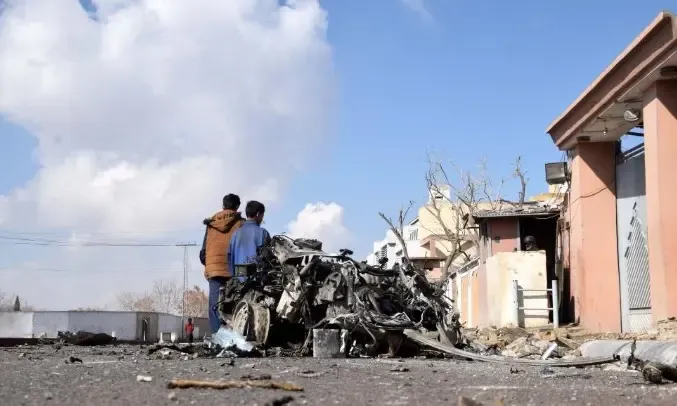
The delegation said the burning of Killi Pasund Khan market in the Gurgina area of Mastung had caused losses estimated at tens of millions of rupees. Several shops, livestock, dozens of houses and jewellery were also reportedly destroyed.
They further alleged that all shops in Killi Guftari and Killi Khurasani had been set ablaze, while solar power installations supplying electricity to agricultural schemes were damaged, according to local reports citing The Balochistan Post. Destruction of markets and irrigation power would hit traders and farm households together, compounding displacement with an economic shock.
What Abdul Malik Baloch said
Condemning the reported shelling, arson and intimidation by Pakistani forces, Baloch described the burning of Killi Pasund Khan market as “deeply distressing and condemnable”. He stressed that protecting the lives and property of citizens was a fundamental responsibility of the government.
Describing the eviction of residents from their ancestral homes as “unacceptable”, he said the National Party opposed forced displacement. He added that civilians were enduring “severe hardship, fear and insecurity”, stressing that the protection of human lives and fundamental rights must remain the foremost priority in any action.
Earlier drone strike and Saturday mortar fire
The Mastung accounts did not stand in isolation. Three civilians were earlier injured in a drone strike carried out by Pakistani forces near the Sangar railway crossing in Mastung district, local media reported. Citing residents, reports said the attack occurred late Sunday night, with one of the injured in critical condition.
According to residents, the three were attempting to extract gas for household consumption by making a hole in a pipeline when they came under a drone attack launched from a nearby Pakistan Frontier Corps (FC) camp. The incident followed reports of a Pakistani military operation in Mastung's Gurgina on Saturday, during which mortar shells allegedly hit residential areas and caused property damage.
Who is affected and what happens next
Those named as affected include traders at Killi Pasund Khan, Killi Guftari and Killi Khurasani, farming households dependent on solar-powered irrigation, and families across four union councils who were reportedly told to leave within 24 hours. The delegation asked Baloch to press for safety guarantees and compensation.
This comes amid recurring allegations in Balochistan of arson, mortar shelling, intimidation and enforced disappearances during security operations — a pattern local representatives say has left families in fear and uncertainty. What happens next hinges on whether authorities verify the casualty claims, halt forced evictions and allow relief into the affected union councils, or whether operations continue without an independent accounting of civilian harm.
Point of View
000 people across four union councils facing 24-hour eviction. That is population-scale displacement, not a surgical raid, and it sits alongside burnt markets, livestock and solar pumps that keep farms running. Islamabad's security narrative in Balochistan has long treated such accounts as insurgent propaganda, while local elders describe civilians as the ones under fire. Until there is independent access and a verified death toll, the gap between those two stories will keep widening — and ordinary households will keep absorbing the cost.
NationPress
25 Nov 2026
Frequently Asked Questions
What happened in Mastung, Balochistan?
Over a dozen people were killed and hundreds injured in shelling by Pakistani forces in Mastung district, according to a delegation of local elders who briefed National Party leader Abdul Malik Baloch on Tuesday. The elders also alleged widespread property damage and forced evictions.
How many people were affected by the Mastung operations?
The delegation said military operations had affected around 70,000 people across four union councils in Mastung. Residents were allegedly given 24 hours to vacate their homes.
What damage was reported besides casualties?
Elders said Killi Pasund Khan market in Gurgina was burnt, with losses estimated at tens of millions of rupees, and that shops, livestock, dozens of houses and jewellery were destroyed. They also alleged that all shops in Killi Guftari and Killi Khurasani were set ablaze and that solar power installations for agricultural schemes were damaged.
What did Abdul Malik Baloch say about the Mastung shelling?
Abdul Malik Baloch condemned the reported shelling, arson and intimidation, calling the burning of Killi Pasund Khan market deeply distressing and condemnable. He said forced eviction from ancestral homes was unacceptable and that protecting lives, property and fundamental rights must be the government's first duty.
Was there a drone strike in Mastung as well?
Yes. Three civilians were injured in a drone strike near the Sangar railway crossing late Sunday night, local media reported, citing residents, with one of the injured in critical condition. Residents said the three were trying to extract household gas from a pipeline when they came under attack from a nearby Pakistan Frontier Corps camp.