Is Indian-American Dr. Anil Kumar Running as an Independent for US Congress?
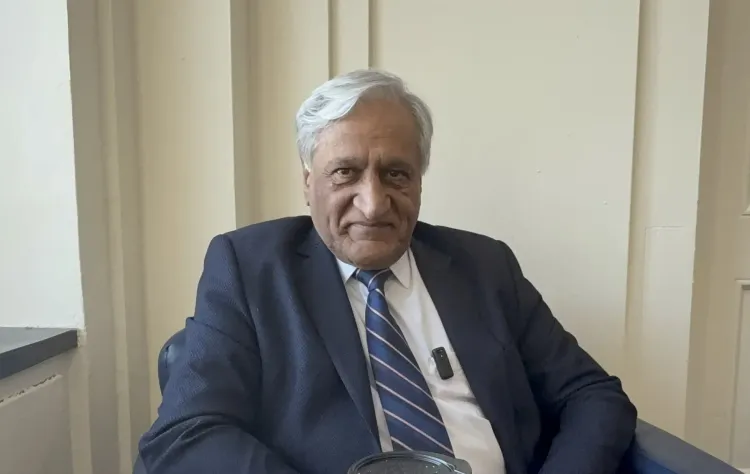
Synopsis
Dr. Anil Kumar, an Indian-American urologist, is running as an independent candidate for Michigan's 11th Congressional District. With a focus on healthcare, education, and Indian American representation, Kumar aims to challenge the status quo in Congress.
Key Takeaways
Anil Kumar is running as an independent candidate for Congress.
Focus on healthcare and education issues.
Political marginalization of Indian Americans is a key concern.
Kumar emphasizes the need for greater engagement in politics.
Michigan’s 11th District presents a unique opportunity for new candidates.
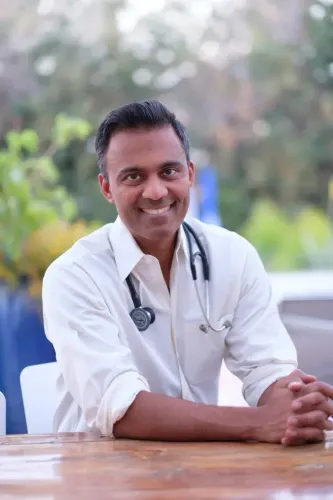
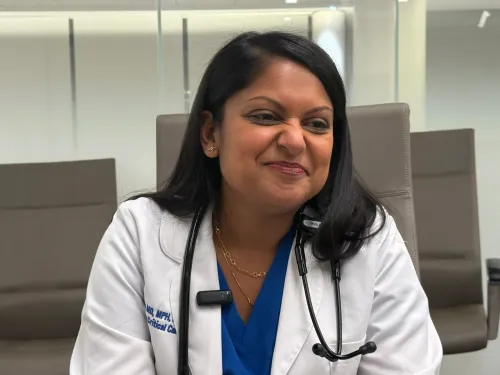
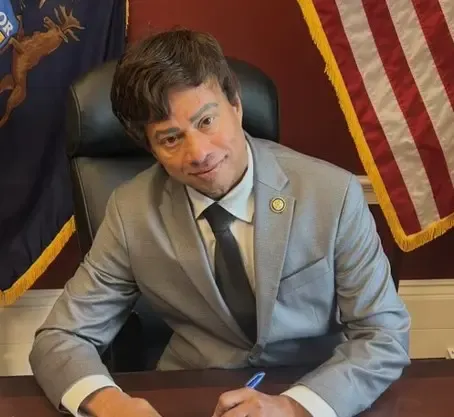
Washington, Feb 10 (NationPress) Indian-American urologist Dr. Anil Kumar is embarking on an independent campaign for the US House of Representatives from Michigan’s 11th Congressional District. He attributes his candidacy to failures in healthcare, educational issues, and the perceived political exclusion of Indian Americans within the traditional two-party framework.
“I’m running for US Congress from the 11th Michigan District,” Kumar shared in an exclusive interview with IANS, emphasizing that this seat became available following Democratic Representative Haley Stevens’ decision to pursue a run for the US Senate.
This district is home to around 750,000 residents, with approximately 200,000 voters typically participating in elections. Kumar noted that such open seats present unique chances for newcomers.
As a practicing urologist, Kumar stated he felt compelled to enter public service over ten years ago after observing a continuous decline in American healthcare outcomes despite exorbitant expenditures.
“We invest around $4.3 trillion, yet our healthcare quality is not on par with the best globally,” he remarked. “Patients frequently tell me, ‘Dr. Kumar, I can’t afford those medications.’”
Another significant aspect influencing his political ambitions is education. Kumar is currently an elected member of the Board of Governors at Wayne State University, a prestigious position for which he stated 1.2 million citizens cast their votes.
“A staggering thirty percent of both rural and urban American students struggle with English and mathematics at their educational level,” he pointed out.
Having previously contested for Congress three times as a Democrat, his choice to run as an independent stems from dissatisfaction with party dominance over candidates.
“Both parties seek our support, yet they resist seeing us in leadership positions,” he expressed.
Kumar argued that candidates backed by parties often find themselves limited by party policies upon election. “My goal in Congress is not merely to hold a position but to initiate meaningful change,” he reiterated, highlighting healthcare, education, and issues pertinent to Indian Americans and India.
When addressing the challenges of running as an independent, Kumar shared several factors that he believes are advantageous. He mentioned a growing number of voters identifying as independent, backing from Republicans in a predominantly Democratic district, and rising discontent among Democratic primary voters.
“For the first time in decades, 45 percent of Americans identify as independents,” he added.
Kumar also recounted his journey from Jaipur and Mumbai to Michigan, crediting Wayne State University for sponsoring his green card in 1984. He expressed pride in his Indian heritage and Hindu identity while calling the United States “the best country in the world.”
He encouraged Indian Americans to become more politically active, beginning at the local level and contributing financially.
“The Jewish community contributes about $19 per person, Muslims around $8 to $9, while Indian Americans, particularly Hindu Americans, contribute only about 35 cents,” he noted.
Once a politically competitive area, Michigan’s 11th Congressional District has shifted towards a Democratic leaning post-redistricting. Although Indian Americans are among the fastest-growing and most affluent immigrant demographics in the U.S., analysts have observed their limited representation in elected offices relative to their economic and educational achievements.
Kumar emphasized that enhanced political unity and engagement are vital for sustained influence. “We are quite successful, but that success could evaporate without unity,” he warned.
Point of View
Dr. Anil Kumar's independent run for Congress represents a significant shift in political dynamics, particularly for Indian Americans. With increasing calls for representation and change, his candidacy could resonate with voters seeking alternatives to traditional party politics. The emphasis on healthcare and education underscores vital issues that affect many constituents.
NationPress
30 Sept 2026
Frequently Asked Questions
What motivated Dr. Anil Kumar to run for Congress?
Dr. Anil Kumar's motivation stems from witnessing failures in healthcare and education, alongside concerns about the political marginalization of Indian Americans within the two-party system.
What are the key issues Dr. Kumar is focusing on?
Dr. Kumar is focusing on healthcare reform, educational challenges for American students, and increasing representation for Indian Americans in politics.
How does Kumar plan to tackle the challenges of running as an independent?
Kumar believes that the growing number of independent voters and support from Republicans in a Democratic district will aid his campaign.
Why is it significant that Kumar is running as an independent?
Running as an independent allows Kumar to express his views without party constraints, aiming for meaningful changes in healthcare and education.
What is Dr. Kumar's background?
Dr. Kumar is a urologist with a longstanding commitment to public service and has previously run for Congress as a Democrat.