Drone threat forces intelligence overhaul in J&K and Northeast
Synopsis
India is rebuilding its intelligence architecture from the ground up in J&K and the Northeast, spooked by drone-enabled reconnaissance that has outpaced existing defences. The blueprint borrows from the anti-Maoist playbook — fusing tech surveillance with deep community trust — at a moment when the Intelligence Bureau is warning of a coming surge in attacks.
Key Takeaways
A unified intelligence structure is being established for Jammu and Kashmir and the Northeastern states in response to growing drone-based terror threats.
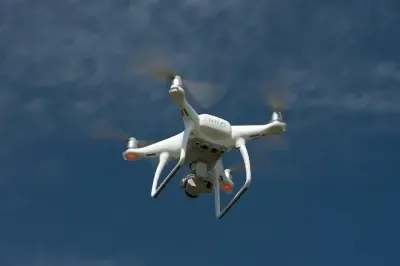
Lashkar-e-Taiba (LeT) and other groups are reportedly using high-quality drones to smuggle arms and conduct reconnaissance after traditional infiltration routes were tightened.
Elements linked to Pakistan's ISI are allegedly attempting to recruit local contacts in both regions to gather intelligence on security deployments.
The new framework draws on India's successful anti-Maoist counter-insurgency strategy , combining technological surveillance with robust human intelligence.
The Intelligence Bureau has warned of a possible increase in terror activities in both regions in the near term.
Officials stress that community development and local trust are as critical as surveillance technology in sustaining counter-terror operations.
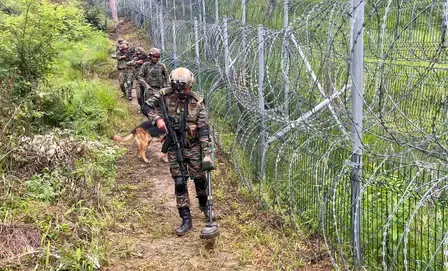
India's national security establishment is undertaking a sweeping overhaul of its intelligence-gathering architecture, with a unified structure being put in place for Jammu and Kashmir and the Northeastern states, according to officials. The restructuring, confirmed on 22 June, is a direct response to the escalating use of drones by terror operatives to conduct reconnaissance missions across both regions.
Why the Reset Is Happening Now
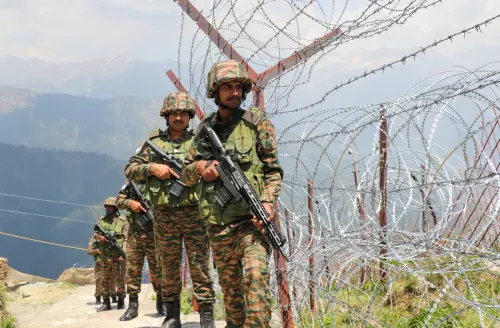
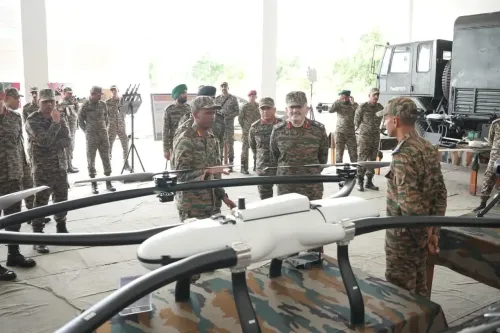
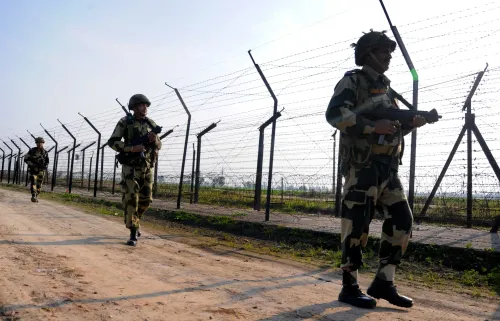
Security planners have flagged a dual threat: the rapid evolution of tactics by terror groups and a relative decline in actionable human intelligence. In Jammu and Kashmir, groups such as Lashkar-e-Taiba (LeT) have increasingly turned to high-quality drones to smuggle arms and ammunition across the border, after traditional infiltration routes were brought under tighter surveillance. Officials warn that many of these drones have successfully penetrated Indian territory and gathered operational intelligence.
In the Northeast, the threat profile is different but equally serious. Anti-India elements are reportedly planning attacks on strategic locations while simultaneously attempting to foment widespread unrest. Officials say elements backed by Pakistan's Inter-Services Intelligence (ISI) are actively trying to cultivate local contacts in both regions to map security deployments.
The Maoist Playbook as a Model
National security planners are drawing heavily from the counter-insurgency campaign against Maoists — widely regarded as one of India's more successful internal security operations — to frame the new strategy. An Intelligence Bureau official explained the key ingredients of that success: 'The human intelligence was very strong, and the locals were completely on board. Further, technical intelligence remained solid. This ensured that real-time inputs gathered on the ground could be swiftly analysed, verified, and disseminated to security forces, enabling prompt action and contributing significantly to the success of operations.'
Alongside intelligence integration, officials also point to the role of development spending in Maoist-affected zones as a critical enabler. The same logic, they argue, must apply in J&K and the Northeast — where community trust is both a security asset and a long-term stabiliser.
Tech and Human Intelligence: A Balanced Blend
The new framework calls for a calibrated combination of technological surveillance and human intelligence, rather than an over-reliance on either. One official noted that while India's technological capabilities have advanced significantly — as demonstrated by the precision of Operation Sindoor — ground-level inputs remain indispensable for counter-terror operations. 'When it comes to counter-terror operations, ground-level inputs remain critical, making human intelligence an indispensable component of the security apparatus,' the official said.
Security agencies are also intensifying engagement with local communities in both regions, with officials stressing that community trust is non-negotiable. 'Development is also very crucial to ensure that the locals have nothing to complain about and they remain happy,' one official noted, echoing the development-security linkage that underpinned the anti-Maoist strategy.
What Comes Next
Officials describe the coming weeks as critical, with the Intelligence Bureau warning of a possible uptick in terror activity. Pakistan-backed elements in J&K and anti-India networks in the Northeast are reportedly intensifying efforts to exploit any intelligence gaps. The unified structure is designed to ensure that real-time inputs are rapidly analysed and acted upon — closing the window that adversaries have been exploiting through drone-based reconnaissance and local recruitment drives.
Point of View
But the reliance on the anti-Maoist model deserves scrutiny — the Northeast and J&K present far more complex cross-border dynamics than a domestic insurgency. The drone gap is real and closing it requires procurement speed that India's security bureaucracy has historically struggled to match. Most tellingly, officials are framing development spending as a security tool, which is the right instinct — but only if it reaches communities before adversaries do. The Intelligence Bureau's warning of an imminent surge in attacks suggests the window for this reset is narrow.
NationPress
20 Sept 2026
Frequently Asked Questions
Why is India overhauling its intelligence structure in J&K and the Northeast?
India is restructuring its intelligence-gathering architecture in Jammu and Kashmir and the Northeastern states because terror groups have rapidly evolved their tactics, particularly through the use of high-quality drones for reconnaissance and arms smuggling. Officials say actionable human intelligence has also declined, creating gaps that adversaries are exploiting.
How are terror groups using drones in Jammu and Kashmir?
Groups such as Lashkar-e-Taiba have reportedly turned to drones to smuggle arms and ammunition across the border after traditional infiltration routes were placed under tighter surveillance. Many of these drones have reportedly been able to penetrate Indian territory and gather operational intelligence, according to security officials.
What is the anti-Maoist strategy that India plans to replicate?
India's counter-insurgency campaign against Maoists combined strong human intelligence with community cooperation and development spending in affected zones, enabling real-time inputs to be quickly verified and acted upon. Security planners are now recommending a similar blend of technological surveillance and grassroots human intelligence for J&K and the Northeast.
What role does Pakistan's ISI play in the Northeast threat?
According to officials, elements backed by Pakistan's Inter-Services Intelligence (ISI) are allegedly attempting to cultivate local contacts in both Jammu and Kashmir and the Northeastern states to gather information on security deployments and operational activities. Anti-India elements in the Northeast are also reportedly planning attacks on strategic locations while trying to foment unrest.
What has the Intelligence Bureau warned about?
The Intelligence Bureau has flagged a possible increase in terror activities in both Jammu and Kashmir and the Northeastern states in the near term. Officials say the coming weeks are critical, as Pakistan-backed networks and anti-India elements are intensifying efforts and attempting to carry out more attacks in these regions.