How is Oman’s Duqm Port Enhancing India’s Maritime Options?
Synopsis
Discover how Oman’s Duqm port is transforming India's maritime landscape, offering a strategic alternative to Iran's Chabahar port. This development, driven by economic necessity, ensures India’s access to the western Indian Ocean remains diversified and resilient. Learn more about this shift and its implications for regional dynamics.
Key Takeaways
Duqm port expands India’s maritime options.
Strategic location outside Iran's influence.
Oman emphasizes economic partnerships without political conditions.
India's naval strategy is becoming more diversified.
Enhances logistical capabilities in the Indian Ocean.
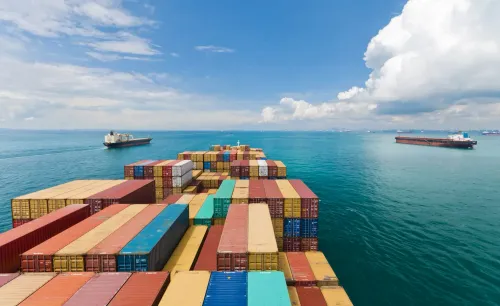
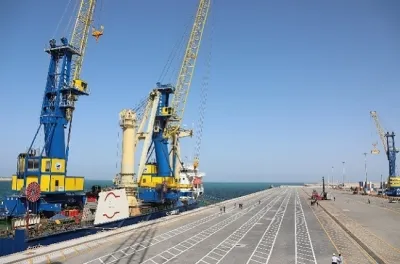
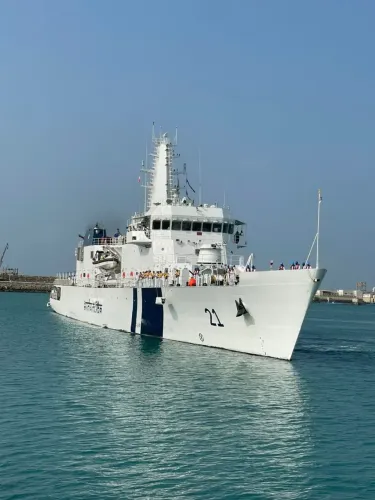
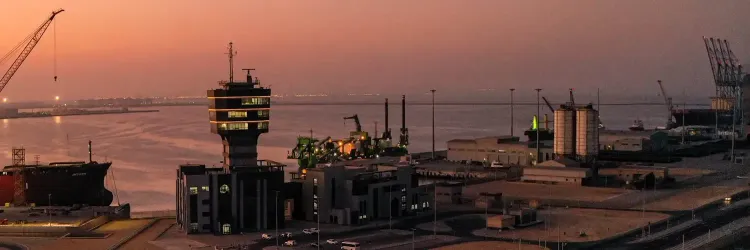
New Delhi, Dec 27 (NationPress) Oman’s Duqm port significantly broadens India’s maritime alternatives, extending beyond Iran's Chabahar, as indicated by a recent media report.
The Duqm port is strategically located outside the Strait of Hormuz, allowing India to navigate away from diplomatic volatility, sanctions risks, and legal uncertainties that accompany Chabahar port, according to The National Interest.
This transition towards Duqm was not instantaneous; rather, it has evolved due to renewed sanctions enforcement, stricter compliance standards in global financial hubs, and India’s resolve to avoid over-dependence on any single port.
While Duqm will not completely supplant Chabahar—thanks to its geographic benefits—it broadens India’s maritime options. The report highlights that India is working to ensure that its access to the western Indian Ocean is not reliant on a singular partner or political climate.
This adjustment is described as incremental, reshaping Iran’s role in India’s long-term strategy.
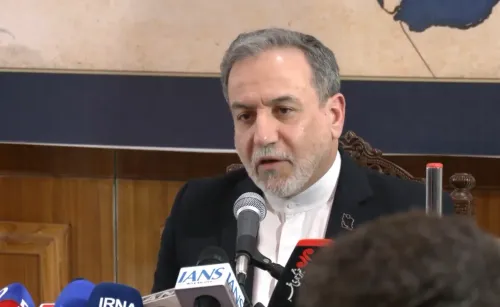
Even though Chabahar remains significant to India, it has lost its potential for leverage.
The Iranian territory continues to be vital for India’s continental access; however, its overall maritime strategy no longer hinges on operations within Iran’s political framework.
Furthermore, the shift towards Duqm may aid in countering Pakistan in the Indian Ocean, as indicated in the report.
Duqm does not position Indian vessels within Pakistan’s maritime domain, but it does shorten logistical routes and lessen the need for improvisation during extended missions.
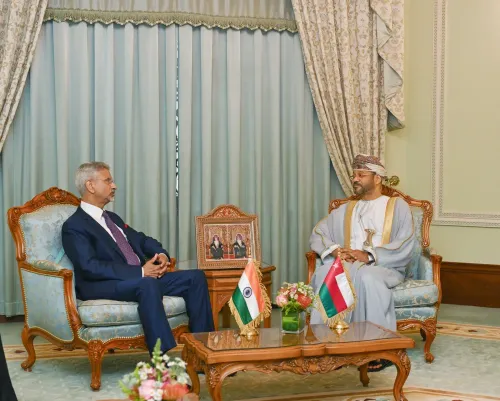
Moreover, Oman has welcomed various international partners at the port, emphasizing Muscat’s commitment to strategic autonomy.
Duqm prioritizes infrastructure first, with strategic considerations second.
The development of Duqm reflects economic necessity over geopolitical aspirations. Following several challenging fiscal years, Oman has positioned the port and its adjacent industrial zone at the core of its diversification efforts, seeking long-term partners without political strings attached.
India aligns well with this model, offering reliable engagement without pressuring Oman into a strategic alliance.
Point of View
It is crucial to recognize the evolving dynamics in India's maritime strategy. The shift towards Duqm port not only reflects India's adaptive approach but also emphasizes a commitment to diversifying its partnerships. This strategic pivot is essential for sustaining India's interests in the Indian Ocean region, ensuring resilience against geopolitical uncertainties.
NationPress
20 Sept 2026
Frequently Asked Questions
What is the significance of Duqm port for India?
Duqm port provides India with a strategic maritime alternative, reducing reliance on Iran's Chabahar and enhancing logistical capabilities in the Indian Ocean.
How does Duqm port enhance India's maritime strategy?
By positioning itself outside Iranian political influence, Duqm port allows India to access the western Indian Ocean more freely and diversifies its maritime options.
What economic factors are driving Duqm port's development?
Oman’s development of Duqm is driven by economic necessity, aiming to attract long-term partnerships without political conditions, thereby ensuring sustainable growth.
Will Duqm port replace Chabahar for India?
While Duqm will not replace Chabahar due to its geographic advantages, it expands India's maritime options and provides a more resilient strategy.
How does Duqm affect India-Pakistan maritime dynamics?
Duqm port shortens logistical distances for India in the Indian Ocean, potentially challenging Pakistan's influence without encroaching on its maritime territory.