Elephant electrocuted by sagging power line in Jharkhand's Khunti district
Synopsis
Seven elephants have now died in Jharkhand in just two months — the latest killed by a sagging 11,000-volt power line in Khunti district at 5 am Thursday. With a herd of a dozen still roaming the region and power infrastructure unchecked in wildlife corridors, this is a slow-moving crisis that authorities have yet to address.
Key Takeaways
An elephant died after contacting a sagging 11,000-volt power line in Tetari village , Khunti district , Jharkhand , on Thursday morning .
The incident occurred at approximately 5 am ; the carcass was found near a government girls' middle school.
This is the seventh elephant death in Jharkhand in the past two months .
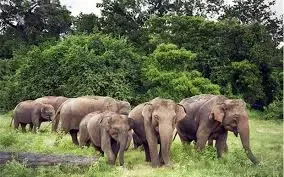
A herd of around a dozen elephants has been active in the Rania block area for two months, causing crop and property damage.
In September , three elephants — a mother and two calves — were similarly electrocuted in Salboni , West Midnapore , West Bengal .
The Forest Department , police , and Electricity Department are jointly investigating the Khunti incident.
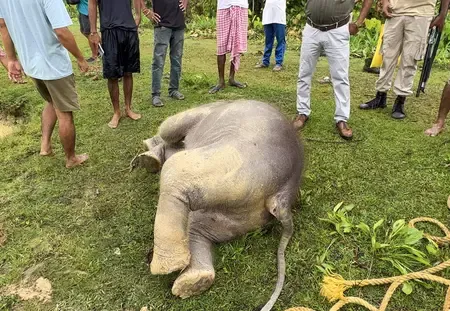
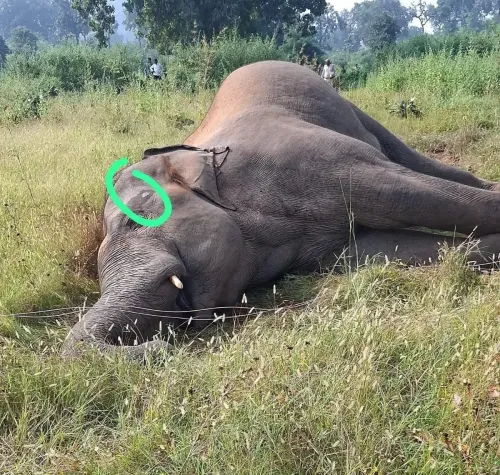
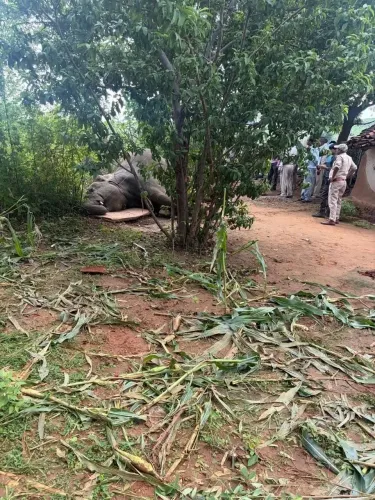
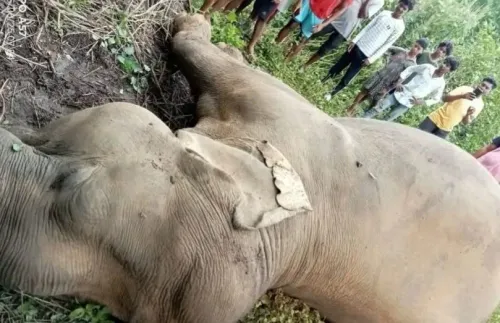
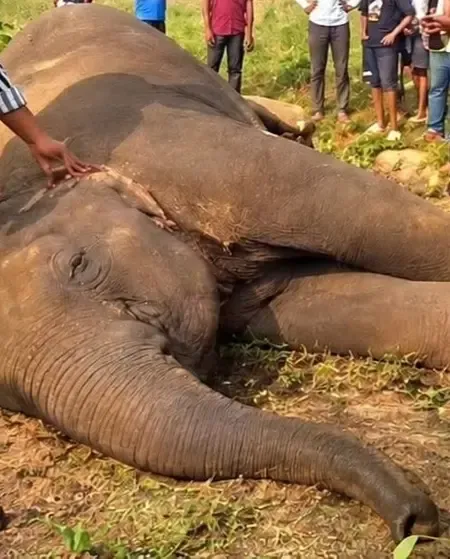
An elephant died after coming into contact with a sagging 11,000-volt power line in Khunti district, Jharkhand, on Thursday morning, making it the seventh elephant death in the state in just two months, officials said. The carcass was discovered in bushes near a government girls' middle school in Tetari village under the Rania police station area.
How the Incident Unfolded
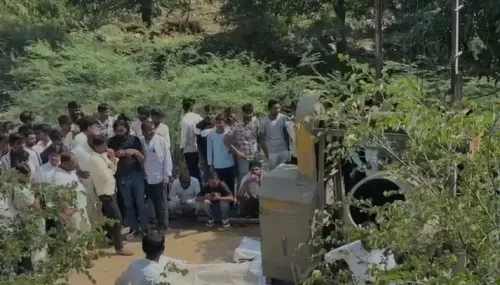
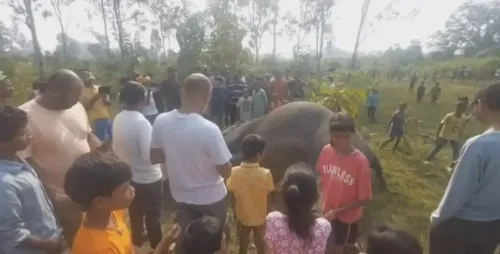
According to villagers, the accident occurred at around 5 am when the elephant was reportedly moving toward the village from the Koel River side. It came into contact with a high-voltage power line hanging unusually low over the path and died on the spot from the electric shock. Residents discovered the carcass in the bushes later that morning, and news of the tragedy drew large crowds to the site.
Teams from the Forest Department, Rania police, and the Electricity Department rushed to the scene after being informed by locals. An investigation into the incident is currently underway.
A Pattern of Elephant Deaths in Jharkhand
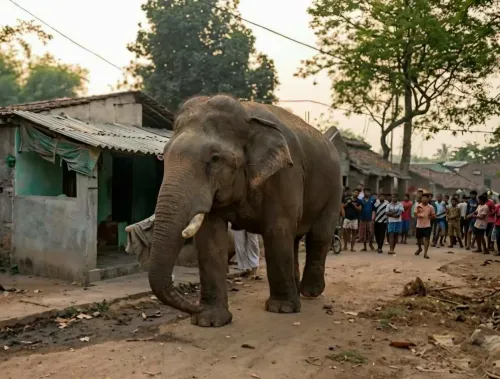
Thursday's death is not an isolated case. In the past two months alone, seven elephants have died in separate incidents across Jharkhand. A herd of around a dozen elephants has been roaming the forests and nearby villages of Rania block in Khunti for the same period, frequently straying into rural settlements. Their incursions into farmlands have caused significant crop damage, and there have also been reports of damage to houses in some areas, keeping local residents on edge.
A Recurring Crisis Across Eastern India
This comes amid a broader pattern of elephant electrocutions in eastern India. In a similar incident reported from West Bengal in September, the carcasses of three elephants — a mother and her two calves — were found in a paddy field at Salboni in West Midnapore district. An initial investigation suggested they came into contact with a high-tension wire connected to an electric pump used for farm irrigation, with a live wire running through the land where the herd was passing.
Notably, in both Jharkhand and West Bengal, the deaths occurred in areas where elephant movement corridors intersect with rural electrification infrastructure — a collision of wildlife habitat and low-safety power distribution that conservationists have long flagged.
Safety Concerns and What Comes Next
The tragedy has renewed concerns about the safety of animals navigating forested and rural areas criss-crossed by power lines. Critics argue that electricity distribution networks in wildlife-sensitive zones are rarely audited for line sag and exposed live wires. The incident is expected to prompt calls for a review of power line safety standards in elephant corridor districts across Jharkhand. The Forest Department's investigation findings are awaited.
Point of View
Leaving low-hanging live wires in the paths of animals that have used these corridors for generations. The Khunti death, like the West Bengal triple fatality in September, points to the same systemic gap: no mandatory line-sag audits in notified elephant corridors, no real-time alerts for encroachment, and no accountability when animals die. Conservation policy in India still treats electrocution deaths as tragedies rather than preventable outcomes — and that framing lets electricity boards and forest departments pass the blame indefinitely.
NationPress
12 Nov 2026
Frequently Asked Questions
How did the elephant die in Jharkhand's Khunti district?
The elephant died after coming into contact with a sagging 11,000-volt power line in Tetari village, Khunti district, Jharkhand, at around 5 am on Thursday. It was reportedly moving toward the village from the Koel River side when it touched the unusually low-hanging wire and died on the spot.
How many elephants have died in Jharkhand recently?
Seven elephants have died in separate incidents across Jharkhand in the past two months, according to reports. The Khunti electrocution on Thursday is the latest in this series of deaths.
Is a herd of elephants still active near the incident site?
Yes, a herd of around a dozen elephants has been roaming the forests and nearby villages of Rania block in Khunti for approximately two months. The herd has caused significant crop damage and some property damage in the area, and residents remain concerned about its frequent movement.
Has a similar elephant electrocution happened elsewhere in India?
In September, three elephants — a mother and her two calves — were found dead in a paddy field at Salboni in West Midnapore district, West Bengal. An initial investigation suggested they were electrocuted by a live wire connected to an irrigation pump running through the land where the herd was passing.
What action is being taken after the Jharkhand elephant death?
Teams from the Forest Department, Rania police, and the Electricity Department have inspected the site and launched an investigation. Findings are awaited, and the incident is expected to renew calls for safety audits of power lines in elephant corridor zones.