Jharkhand elephant found dead with tusks missing, poaching suspected in West Singhbhum
Synopsis
A female elephant found dead in a West Singhbhum field — with both tusks stripped — has raised fears of organised ivory poaching in Jharkhand. It is the latest in a grim series of nearly seven elephant deaths around Jagannathpur in a single year, spanning suspected poaching, electrocution, starvation, and IED blasts in Maoist-hit forest zones.
Key Takeaways
A female elephant was found dead at Deepasai Tola , West Singhbhum , Jharkhand, on 2 October 2026 .
Both tusks were missing from the carcass, raising suspicions of ivory poaching .
Forest officials have collected evidence; the carcass has been sent for postmortem examination .
Nearly seven elephant deaths have been recorded around Jagannathpur in the past year.
Recent deaths in the state include electrocution in Latehar , starvation in Giridih , and a fight-related death in Tonto , West Singhbhum.
Elephant deaths from IED blasts in Maoist-affected Saranda forests have also been reported previously.
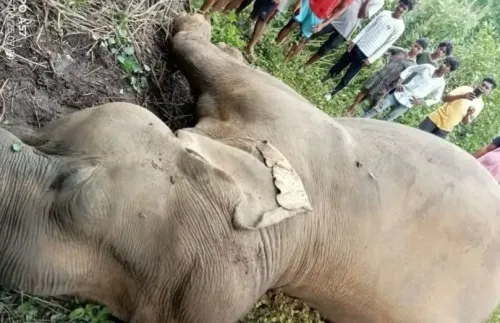
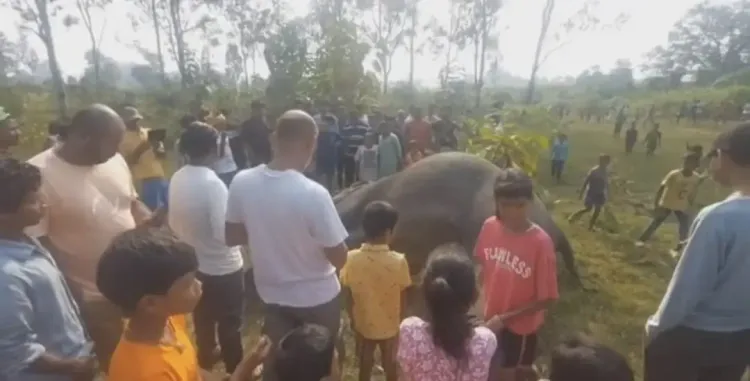
A female elephant was found dead in a farmland at Deepasai Tola under Jagannathpur police station limits in West Singhbhum district, Jharkhand, on Friday morning (2 October 2026), forest officials said. Critically, both tusks were missing from the carcass, prompting suspicions that ivory smugglers may be involved — though the exact cause of death is yet to be confirmed.
How the Discovery Was Made
Villagers first spotted the dead elephant in a field and immediately alerted the Forest Department. A team of forest officials reached the site around 9 am and conducted a preliminary inspection. Evidence was collected from the scene, and the carcass was dispatched for a postmortem examination to determine the precise cause of death.
Forest officials said action will be taken based on autopsy findings and the material evidence gathered. Investigators are currently examining all possible angles — including natural death, poaching, and other causes.
Poaching Angle Under Scrutiny
The absence of both tusks has raised serious concerns about organised ivory poaching. Jharkhand's forested belts, particularly around West Singhbhum and the Saranda forest division, have historically been vulnerable to wildlife crime. While officials have not confirmed poaching as the cause, the missing tusks are being treated as a key piece of evidence.
Notably, in November 2025, the carcasses of three male elephants were recovered from different forests within the Chaibasa division within a span of just two weeks, though the causes in those cases also required investigation.
A Pattern of Elephant Deaths Around Jagannathpur
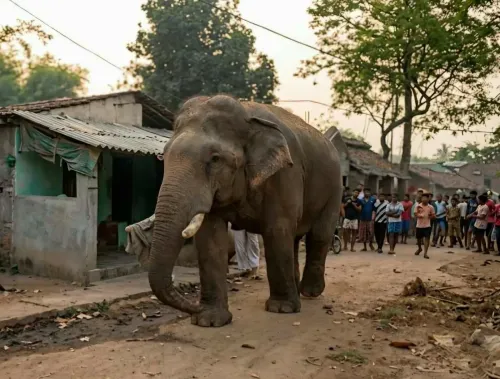
This latest death is part of a deeply troubling pattern. Nearly seven elephant deaths have been recorded in and around Jagannathpur over the past year alone. The region sees frequent movement of elephant herds through forested areas, which often brings the animals into contact with villages, leading to crop damage, property destruction, and recurring human-elephant conflict.
The toll from other causes has been significant as well. In September 2026, an elephant died in Latehar after coming into contact with an illegally laid live electric wire. In May 2026, a young elephant in Giridih's Dhobri forest range died of starvation and dehydration after getting trapped in thick undergrowth. In January 2026, an elephant in West Singhbhum's Tonto area succumbed to injuries sustained during a fight with another elephant. Elephant deaths caused by IED blasts in Maoist-affected areas of the Saranda forests have also been reported previously.
Human-Elephant Conflict and Conservation Concerns
Villagers in the region say that ensuring the safety of both local residents and wildlife has become an acute challenge given the continued movement of herds through settlements. Crop raiding and property destruction remain frequent grievances, often fuelling hostility toward elephants.
Conservationists argue that the mounting death toll underscores the need for a stronger anti-poaching grid, faster forensic turnaround on postmortems, and sustained investment in human-wildlife coexistence programmes across Jharkhand's elephant corridors. The postmortem findings in the current case are expected to be a critical determinant of whether a poaching case is registered.
Point of View
But the Forest Department's cautious framing — 'all angles being examined' — reflects a structural problem: postmortem delays and slow forensic processing routinely allow poaching networks to disappear before a case is even registered. With seven elephant deaths around Jagannathpur in a year, this is no longer a series of isolated incidents; it is a pattern demanding a dedicated anti-poaching task force and real-time carcass surveillance. Jharkhand's forests sit at the intersection of Maoist activity, poverty-driven wildlife crime, and an under-resourced forest guard apparatus — a combination that makes ivory smugglers difficult to catch and easy to miss.
NationPress
2 Oct 2026
Frequently Asked Questions
Where was the elephant found dead in Jharkhand?
The female elephant was found dead in a farmland at Deepasai Tola under Jagannathpur police station limits in West Singhbhum district, Jharkhand, on the morning of 2 October 2026. Villagers spotted the carcass and alerted the Forest Department, which reached the site around 9 am.
Why is poaching suspected in the Jharkhand elephant death?
Both tusks were found missing from the elephant's carcass, which has raised suspicions that ivory smugglers may be involved. However, forest officials have clarified that the exact cause of death will only be confirmed after the postmortem report is received.
How many elephant deaths have occurred in the Jagannathpur area recently?
Nearly seven elephant deaths have been recorded in and around Jagannathpur over the past year. Causes have ranged from suspected poaching and electrocution by illegal live wires to starvation, injury, and IED blasts in Maoist-affected forest zones.
What steps are forest authorities taking after this elephant death?
Forest officials have collected evidence from the site and dispatched the carcass for postmortem examination. Investigators are examining all possible causes, including natural death and poaching, and have said action will be taken based on autopsy findings and material evidence.
What is the broader conservation concern around elephant deaths in Jharkhand?
Jharkhand's elephant corridors, particularly in West Singhbhum and the Saranda division, face multiple threats including poaching, electrocution from illegal live wires, habitat fragmentation, and Maoist-related IED hazards. The recurring deaths have intensified calls for a dedicated anti-poaching force and stronger human-wildlife coexistence measures in the state.