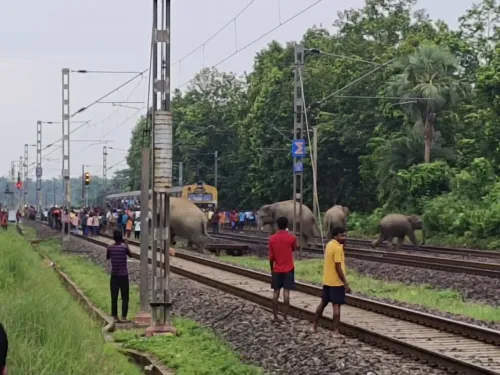
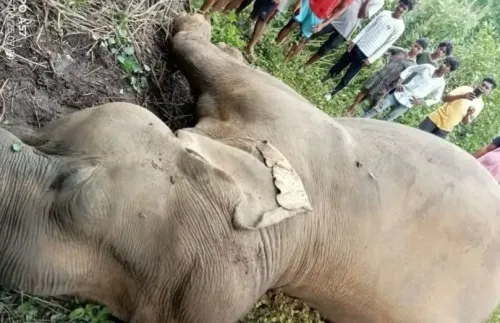
Three elephants electrocuted in West Bengal's Salboni after touching live wire
Synopsis
A mother elephant and her two calves are dead in a West Bengal paddy field — killed, officials believe, by a live irrigation wire. It is the latest in a string of electrocution deaths in Jangalmahal, a key elephant corridor where illegal electric fencing by farmers has persisted despite repeated crackdowns and public outcry.
Key Takeaways
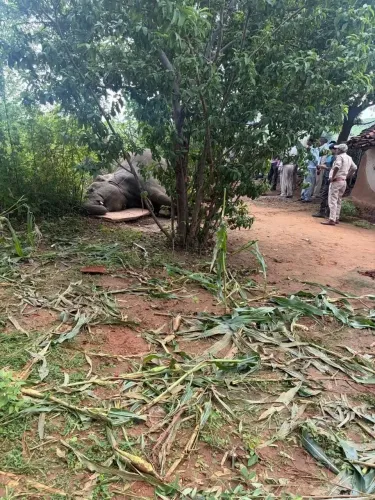
Three elephants — a mother and two calves — were found dead in a paddy field in Salboni , West Midnapore , on 27 September 2026 .
Initial investigation suggests the animals were electrocuted after contact with a live wire attached to an irrigation pump.
The Jangalmahal region has a documented history of elephant electrocution deaths caused by illegally energised farm fences.
Last month, a tusker was similarly killed by an illegal electric fence in Falakata block , Alipurduar district .
The forest department has previously penalised offenders but the illegal fencing practice has continued, according to officials.
Post-mortem results are awaited to officially confirm the cause of death.
Three elephants — a mother and her two calves — were found dead in a paddy field in Salboni, West Midnapore district, West Bengal, on the morning of Sunday, 27 September 2026. Initial investigation by forest department officials has pointed to electrocution after the animals reportedly came into contact with a high-tension live wire running through the farmland.
How the Deaths Were Discovered
Local villagers first spotted the carcasses in the paddy field early on Sunday morning and immediately alerted the nearest forest department office. According to local sources, the three elephants were part of a larger herd passing through the village when they came into contact with a live wire connected to an electric pump installed for irrigation purposes. Forest department officials reached the spot and launched a formal investigation; the exact cause of death is expected to be confirmed after a post-mortem examination.
A Recurring Crisis in Jangalmahal
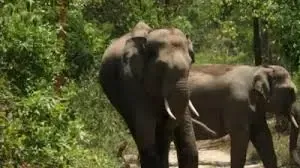
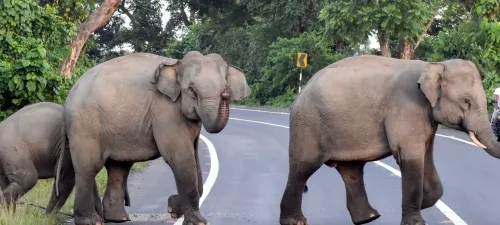
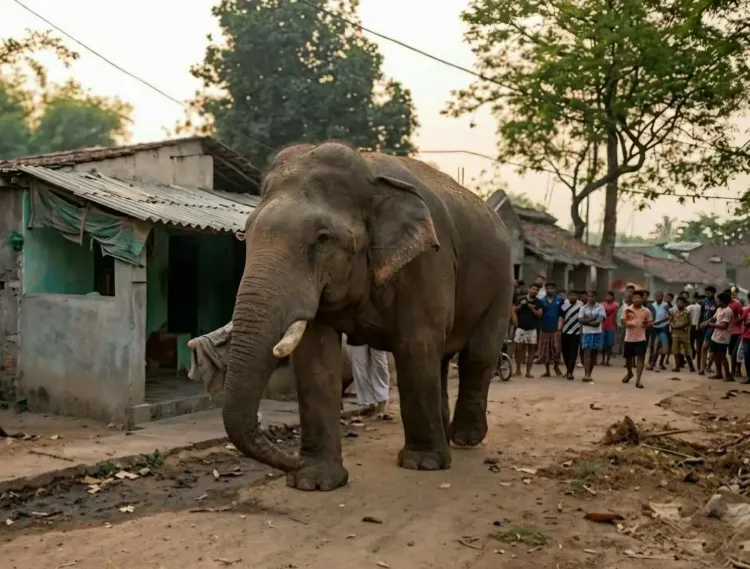
The deaths are not an isolated incident. A source within the state forest department noted that electrocution fatalities among elephants are a persistent problem in the Jangalmahal region — one of West Bengal's most significant elephant corridors. 'In the past, elephants died in these forest areas due to electrocution. There had been a lot of uproar about that. There has been a common tendency among farmers in the region to surround their farmlands with electric wires to protect their crops,' the official said.
Just last month, a middle-aged tusker died after being electrocuted by an illegally energised fence erected around farmland in the Falakata block of Alipurduar district — highlighting how frequently the Jangalmahal belt sees such fatalities.
Enforcement Failures and Repeated Warnings
The forest department insider acknowledged that authorities have previously penalised farmers for erecting illegal electrified fences, particularly along elephant movement corridors. Despite those measures, the practice has continued. 'Earlier, there had been instances of penalising the offenders on this count. However, the fencing activity has continued,' the official added. Elephants in this region frequently move in herds between forested patches, making unregulated electric fencing especially dangerous during nocturnal or early-morning transit.
What Happens Next
Forest officials are expected to complete the autopsy and file a detailed report. The incident is likely to renew pressure on the state administration to enforce existing bans on illegal electric fencing more stringently and to expand awareness campaigns among farming communities in the Jangalmahal region. Wildlife activists have long demanded that compensation mechanisms for crop damage be strengthened so that farmers are less compelled to resort to lethal deterrents.
Point of View
Not just an awareness one. The state forest department itself acknowledges that fines have been levied and warnings issued — yet the illegal fencing continues in one of the country's most active elephant corridors. Until crop-damage compensation is made swift and adequate enough to genuinely deter the practice, farmers will keep taking matters into their own hands, and elephants will keep dying. The question is no longer whether authorities know about the problem — it is why a documented pattern has been allowed to persist this long.
NationPress
27 Sept 2026
Frequently Asked Questions
What happened to the three elephants in Salboni, West Bengal?
A mother elephant and her two calves were found dead in a paddy field in Salboni, West Midnapore district, on 27 September 2026. Initial investigation suggests they were electrocuted after coming into contact with a live wire connected to an irrigation pump on the farmland.
Why are elephants dying from electrocution in West Bengal?
Farmers in the Jangalmahal region frequently erect electrified fences around their fields to protect crops from elephants. These wires — often illegal — pose lethal risks to elephant herds that transit the area between forest patches, especially at night or early morning.
Is this the first such incident in the region?
No. Forest department officials confirm that electrocution deaths are a recurring problem in the Jangalmahal elephant corridor. Just last month, a tusker was killed by an illegally energised fence in Falakata block, Alipurduar district.
What action has the forest department taken against illegal electric fencing?
The state forest department has previously penalised farmers for erecting illegal electrified fences along elephant corridors. However, officials acknowledge the practice has not stopped despite those enforcement efforts.
What will happen next following these elephant deaths?
Forest officials will conduct a post-mortem to officially confirm the cause of death and file a detailed report. The incident is expected to intensify calls for stricter enforcement of bans on illegal electric fencing and stronger crop-damage compensation schemes in the Jangalmahal region.