Government Accelerates Electric Vehicle Initiative Amid Oil Import Challenges
Synopsis
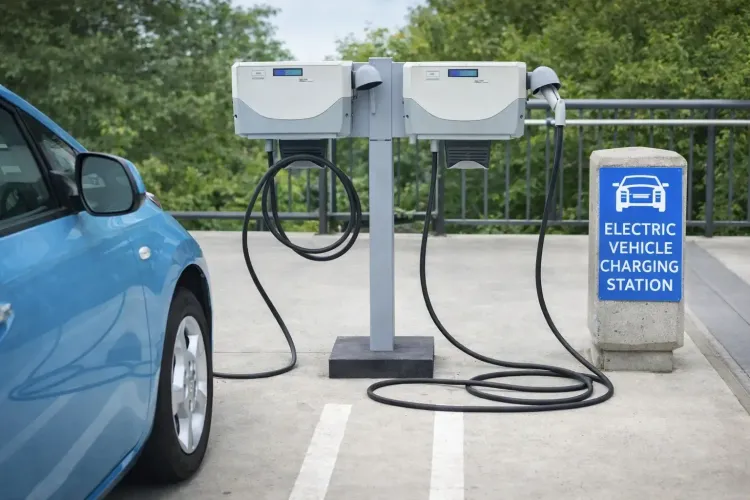
The Indian government is ramping up efforts to promote electric vehicles and strengthen domestic mineral capabilities to reduce oil import dependence. This strategic move, driven by global price volatility, aims to enhance electric mobility and local manufacturing.
Key Takeaways
The Indian government is intensifying its push for electric vehicles.
The PM E-DRIVE Scheme has been extended to support EV adoption.
The REPM scheme enhances domestic manufacturing of rare earth components.
Supply chain resilience is a priority for the electric mobility sector.
These initiatives are expected to benefit consumers through improved EV affordability.
New Delhi, April 13 (NationPress) The government is intensifying its efforts to promote electric vehicles and enhance domestic capabilities in critical minerals essential for clean energy technologies, aiming to diminish reliance on oil imports. This initiative comes in response to the volatility in global prices and potential supply chain disruptions stemming from the West Asia crisis, as per an official announcement released on Monday.
In light of the ongoing crisis, the Ministry of Heavy Industries has implemented coordinated measures to support the growth of electric mobility and mitigate vulnerabilities in the supply chains for electric vehicle components.
The ministry has sanctioned the continuation of the ₹10,900 crore PM E-DRIVE Scheme to maintain the momentum of electric vehicle adoption and production.
The e-2W segment will be extended for three months until July 31, 2026, while the e-3W segment, which includes e-rickshaws and e-carts, has been prolonged for two years until March 31, 2028, as clarified in the statement.
Policy support under the PM E-DRIVE Scheme has been refined to ensure the continuity of incentives, foster electric vehicle adoption, and promote domestic manufacturing.
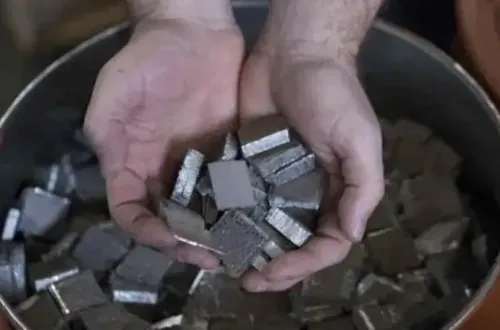
On November 26, 2025, the Union Cabinet approved the Scheme to Promote Manufacturing of Sintered Rare Earth Permanent Magnets (REPM) with a budget allocation of ₹7,280 crore.
This scheme aims to establish an integrated manufacturing capacity of 6,000 MTPA for REPM in India, promoting domestic production of sintered REPM, enhancing supply chains for the electric vehicle, defence, and aerospace sectors, and supporting Aatmanirbhar Bharat and Net Zero 2070 objectives.
Efforts are underway to operationalize the REPM scheme to progressively improve the localization of electric vehicle components. Continuous dialogues are being maintained with OEMs, component manufacturers, and industry stakeholders to fortify supply chain resilience.
As part of its execution, a pre-bid conference occurred on April 7, 2026, with participation from 25 leading companies. The Request for Proposal was issued on March 20, 2026, with the bidding process being conducted transparently through a two-cover Least Cost Selection system on the CPP Portal.
These initiatives are bolstered by the ongoing Phased Manufacturing Programme designed to enhance domestic value addition in electric vehicle production.
The synergistic implementation of the PM E-DRIVE, REPM, and Phased Manufacturing Programme schemes is anticipated to fortify the entire electric vehicle value chain.
The PM E-DRIVE provides demand-side support and policy stability to OEMs, empowering them to scale production and expedite electric vehicle adoption.
The REPM scheme tackles supply-side challenges by encouraging domestic manufacturing of essential rare earth-based components.
The Phased Manufacturing Programme facilitates gradual localization and diminishes import reliance across electric vehicle sub-systems. These initiatives will benefit manufacturers, MSMEs, and component suppliers through increased domestic value addition, supply chain stability, and investment opportunities.
For consumers, these initiatives will improve the affordability, accessibility, and reliability of electric vehicles while reducing dependence on imported fuels and components, thereby shielding them from global price fluctuations, the statement concluded.
Point of View
The government's proactive measures to enhance electric vehicle manufacturing and critical mineral capabilities reflect a forward-thinking approach. This not only addresses immediate supply chain vulnerabilities but also sets a sustainable path for future growth.
NationPress
16 Sept 2026
Frequently Asked Questions
What is the PM E-DRIVE Scheme?
The PM E-DRIVE Scheme is an initiative by the Indian government aimed at promoting the adoption and manufacturing of electric vehicles through financial incentives and policy support.
How does the REPM scheme benefit the electric vehicle sector?
The REPM scheme promotes the local manufacturing of rare earth magnets, which are crucial for electric vehicle components, thereby enhancing supply chain resilience and reducing import dependency.
What is the significance of the Phased Manufacturing Programme?
The Phased Manufacturing Programme is designed to gradually localize electric vehicle components, increasing domestic value addition and reducing reliance on imports across various EV subsystems.
How long has the e-2W segment been extended?
The e-2W segment has been extended for an additional three months, now continuing until July 31, 2026.
What are the goals of the government's electric vehicle initiatives?
The initiatives aim to enhance the affordability, accessibility, and reliability of electric vehicles while reducing dependency on imported fuels and shielding consumers from global price volatility.