BJD MP Sasmit Patra Warns of Rs 3-4 Lakh Crore Revenue Loss from Excise Duty Reduction

Synopsis
BJD MP Sasmit Patra raises alarms over the government's excise duty cut on fuels, predicting a staggering revenue loss of Rs 3-4 lakh crore while also highlighting potential economic repercussions due to the escalating West Asia conflict.
Key Takeaways
Excise duty cut may lead to substantial revenue losses for the government.
Economic growth could be hindered by rising oil prices .
Diplomatic talks between Iran and the U.S. are ongoing.
Government has implemented duty reductions to mitigate fuel price impacts.
Global oil prices are currently on a downward trend.
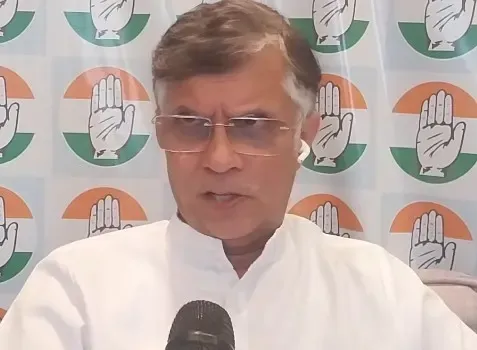
New Delhi, March 28 (NationPress) BJD MP Sasmit Patra expressed concerns on Saturday regarding the recent excise duty reduction on petrol and diesel, predicting a potential revenue shortfall of Rs 3-4 lakh crore for the Government of India. He also highlighted significant economic challenges arising from the ongoing conflict in West Asia.
In an interview with IANS, Patra stated, “The situation in West Asia has a global ripple effect, impacting India as well. The excise duty reduction could lead to a revenue loss of approximately Rs 3–4 lakh crore for the Indian government.”
He pointed out that escalating oil prices and supply chain interruptions may hinder economic growth. “The rise in oil prices could slow down economic progress. Disruptions in supply chains might result in decreased industrial output. Various industrial processes rely on fuels like propane, PNG, or LPG. This scenario could further weaken our economic stability,” he elaborated.
While remaining cautiously optimistic about diplomatic efforts, Patra noted the ongoing negotiations between Iran and the United States. “Talks have commenced between Iran and the U.S., with both parties presenting their demands. We seem to be moving towards mediation, and a swift resolution would be ideal,” he remarked.
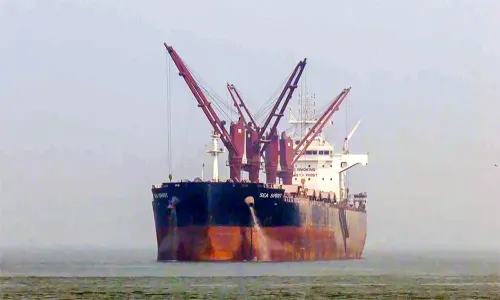
He also mentioned the recent developments regarding maritime navigation through the Strait of Hormuz. “Iran has permitted certain vessels, including those from India, to navigate through the Strait of Hormuz. A few Indian ships have already passed, with more anticipated. However, if the West Asia crisis remains unresolved, the repercussions will intensify,” he cautioned, emphasizing the need for a prompt resolution to the conflict.
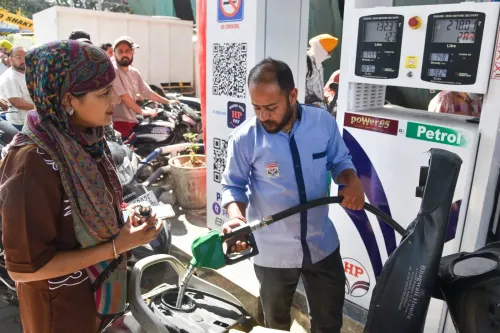
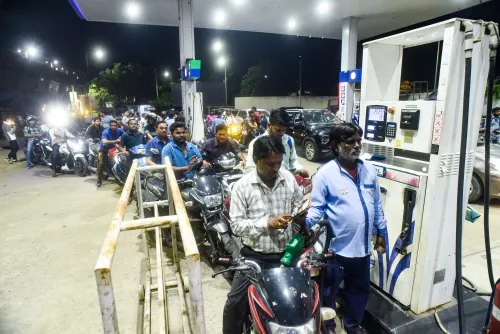
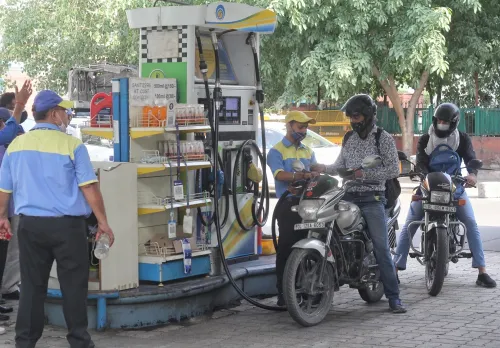
On Friday, the government announced a cut in excise duties on petrol and diesel by Rs 10 per litre, adjusting petrol duties to Rs 3 per litre and setting diesel duties to zero, in an effort to mitigate the effects of soaring global oil prices.
The government also introduced exemptions on duties for fuel exports and supplies to international flights. In addition, the Centre revoked a previous 2022 notification, providing customs duty relief on imported aviation turbine fuel (ATF).
This reduction comes amid apprehensions of a price surge due to the global energy crisis spurred by the US-Israel conflict with Iran and the resultant blockade of the Strait of Hormuz.
Oil marketing companies (OMCs) are anticipated to absorb the decrease to counterbalance their escalating losses. Currently, OMCs are estimated to be facing losses of around Rs 48.8 per litre on fuel sales, mainly due to high global crude prices.
Meanwhile, global oil prices have shown a decline, with Brent crude futures dropping by 2.29% to $105.53 per barrel, while US WTI futures fell by 2.54% to $92.08 as of 8:50 am.
Point of View
The economic implications of the excise duty reduction on fuels cannot be understated. With the predictions of substantial revenue loss coupled with the ongoing geopolitical tensions, this situation poses a complex challenge for the Indian government. It is crucial for policymakers to navigate these turbulent waters carefully.
NationPress
30 Sept 2026
Frequently Asked Questions
What is the predicted revenue loss from the excise duty cut?
The predicted revenue loss is estimated to be between Rs 3 to 4 lakh crore.
How might rising oil prices affect the economy?
Rising oil prices could slow down economic growth and disrupt industrial production due to supply chain delays.
What recent actions has the government taken regarding fuel duties?
The government reduced excise duties on petrol and diesel by Rs 10 per litre, bringing petrol duties to Rs 3 and diesel to zero.
What is the significance of the talks between Iran and the U.S.?
The talks signify potential diplomatic mediation, which could impact global oil prices and economic stability.
What is the current situation with oil prices?
Global oil prices have recently declined, with Brent crude futures falling to $105.53 per barrel.