Maharashtra CM Fadnavis orders outcome-based SDG plans for all departments
Synopsis
Maharashtra CM Devendra Fadnavis has tied SDG performance directly to bureaucratic career appraisals — a rare administrative move that goes beyond routine policy announcements. By embedding NITI Aayog's benchmarks into officer APARs and mandating quarterly Chief Secretary reviews, the state is betting that accountability at the individual level can close the gap between official data and ground reality.
Key Takeaways
CM Devendra Fadnavis on 23 July directed all Maharashtra departments to prepare outcome-driven SDG plans for the next four years .
Intensive development focus ordered for 10 aspirational districts and 177 aspirational talukas .
SDG performance parameters to be incorporated into the Annual Performance Appraisal Report (APAR) of all administrative officers.
Quarterly SDG reviews mandated under the supervision of the Chief Secretary .
Departments directed to build real-time data collection systems to close gaps between official figures and ground realities.
Healthcare sector specifically called out for a shift to outcome-based evaluation measuring patient metrics before and after interventions.
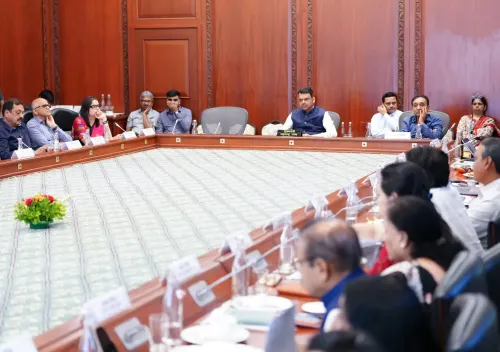
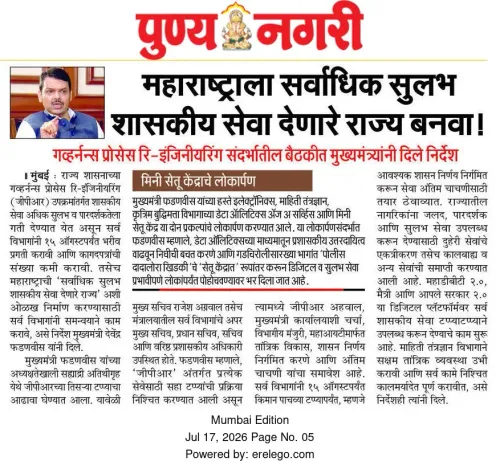
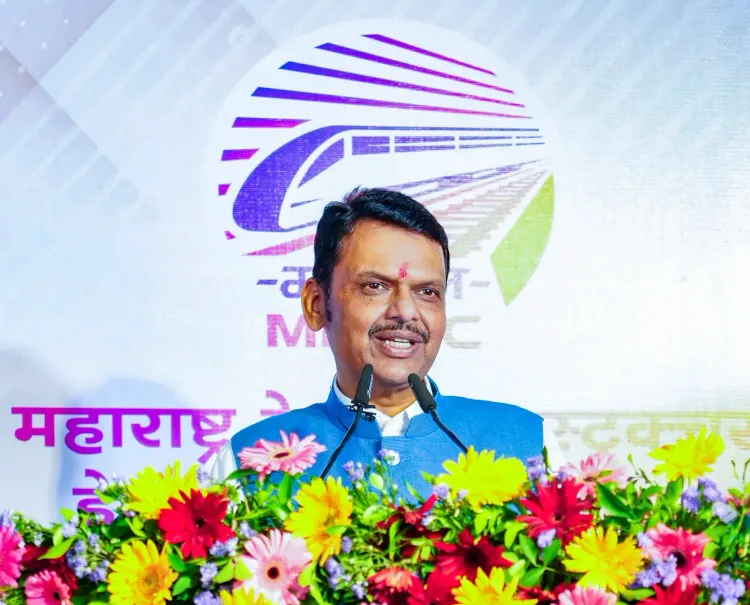
Maharashtra Chief Minister Devendra Fadnavis on Thursday, 23 July directed every state government department to formulate structured, outcome-driven development plans for the next four years, with the explicit goal of securing Maharashtra's top national ranking across all Sustainable Development Goal (SDG) parameters benchmarked by NITI Aayog. The directive came during a high-level review meeting on NITI Aayog's SDG performance indicators held in Mumbai.
Key Directives from the Review Meeting
CM Fadnavis called for intensive development efforts across 10 aspirational districts and 177 aspirational talukas, underscoring that the coming four years are critical for the state's governance trajectory. He urged all departments to restructure ongoing schemes, strengthen delivery mechanisms, and align budget allocations directly with accelerating SDG outcomes.
He instructed officials to study best practices and innovative models adopted by top-performing states and to apply those learnings to Maharashtra's own administrative framework. Departments were asked to analyse their specific performance indicators and upgrade internal policies and procedures accordingly.
Data Gaps and Real-Time Monitoring
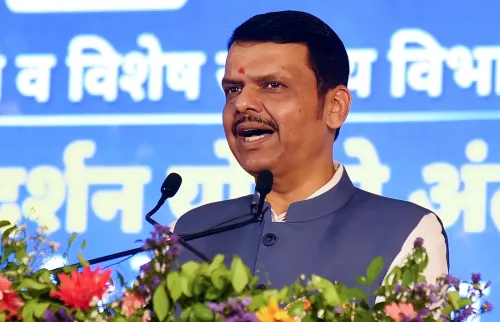
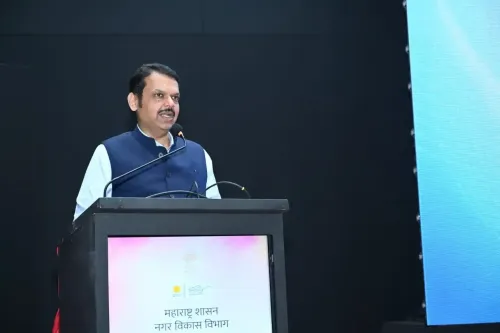
'Where official numbers conflict with ground realities, identifying data gaps is essential. Beyond secondary data, we must strengthen primary and real-time data collection systems. Analysing existing databases will help us pinpoint specific lagging regions or sectors and implement immediate corrective measures,' Fadnavis said at the meeting.
He directed all departments to collect real-time data, conduct analytical studies, and benchmark their performance against peer states — a shift toward evidence-led governance rather than input-based reporting. NITI Aayog's SDG parameters, he said, should function as 'a mirror reflecting state progress,' with mandatory reviews every three months under the monitoring of the Chief Secretary.
Healthcare and Outcome-Based Evaluation
Highlighting the healthcare sector specifically, the Chief Minister noted that while physical medical infrastructure is being expanded, the administration must pivot to outcome-based evaluation — measuring patient health metrics before and after interventions to verify real-world impact rather than simply recording service delivery.
Similar outcome-and-impact frameworks were directed for education, infrastructure, and social development departments, with policies to be adapted based on measurable changes on the ground.
SDG Targets Linked to Officer Appraisals
In a significant administrative move, CM Fadnavis announced that SDG performance parameters will be integrated into the Annual Performance Appraisal Report (APAR) of all administrative officers as a formal key performance indicator. The measure is intended to create institutional accountability and embed SDG targets into the career incentives of the bureaucracy.
He also directed departments to leverage Maharashtra's financial, human, and administrative resources more effectively to improve citizens' quality of life — framing SDG compliance not as a reporting exercise but as a governance standard. With NITI Aayog's inter-state benchmarking intensifying, how Maharashtra's departments respond to these directives over the next quarter will signal whether the state can convert its existing infrastructure advantage into verifiable human development outcomes.
Point of View
And grafting development benchmarks onto it requires not just a policy order but a credible grievance-free measurement framework. Maharashtra's aspirational district programme has shown patchy results precisely because data reporting and field reality diverge; the Chief Minister acknowledged as much by flagging 'data gaps' himself. The real test will come at the first quarterly review: whether departments present genuine outcome data or repackage existing inputs as impact metrics.
NationPress
22 Oct 2026
Frequently Asked Questions
What did Maharashtra CM Devendra Fadnavis direct at the SDG review meeting?
CM Fadnavis directed all Maharashtra government departments to prepare structured, outcome-driven development plans for the next four years, targeting the top national ranking across all NITI Aayog SDG parameters. The meeting was held in Mumbai on 23 July.
How will SDG targets be enforced among Maharashtra's bureaucracy?
SDG performance parameters will be integrated into the Annual Performance Appraisal Report (APAR) of all administrative officers as a key performance indicator. This links career assessments directly to development outcomes, creating formal accountability.
Which districts and talukas are prioritised under the SDG push?
CM Fadnavis called for intensive development efforts across 10 aspirational districts and 177 aspirational talukas across Maharashtra to maintain and improve the state's governance standing.
What did Fadnavis say about data gaps in government reporting?
He said that where official numbers conflict with ground realities, identifying data gaps is essential. He directed departments to strengthen primary and real-time data collection systems beyond secondary data, to pinpoint lagging regions and implement corrective measures.
How often will SDG progress be reviewed in Maharashtra?
CM Fadnavis mandated reviews of NITI Aayog SDG parameters every three months, with monitoring overseen by the Chief Secretary of Maharashtra.