Fake Camel cigarettes worth $404,842 seized at Washington Dulles Airport
Synopsis
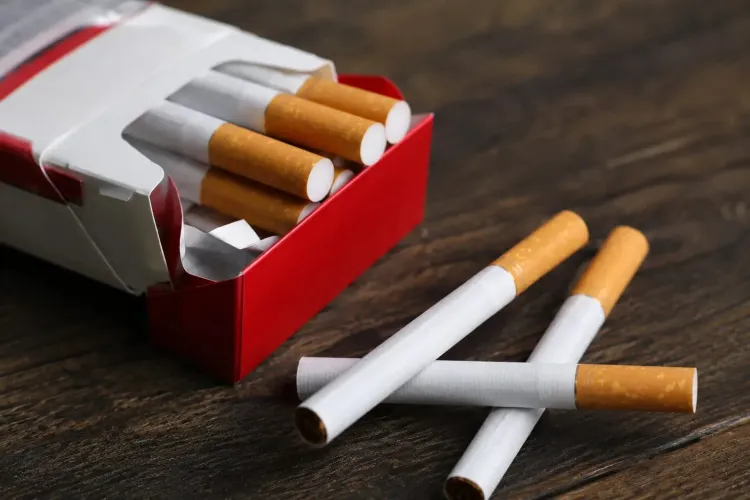
A 2,250-carton shipment of fake Camel cigarettes — routed suspiciously from Singapore through Japan to Miami — was caught at Washington Dulles Airport and confirmed counterfeit by R.J. Reynolds. Valued at $404,842 if genuine, the bust highlights a $7.4 billion annual counterfeit trade problem that US customs officers are fighting one irregular shipping route at a time.
Key Takeaways
US Customs and Border Protection seized 2,250 cartons of counterfeit Camel cigarettes at Washington Dulles International Airport on 14 August 2025 .
The shipment arrived on 11 July via a flight from Singapore routed through Japan , destined for Miami .
Reynolds Tobacco Company confirmed the products were fake after being contacted by CBP trade specialists.
The estimated retail value of the goods, had they been genuine, was $404,842 .
In fiscal year 2025 , CBP and HSI recorded nearly 78.4 million IP-violating shipments worth over $7.4 billion in estimated retail value.
US Customs and Border Protection (CBP) officers seized 2,250 cartons of counterfeit Camel cigarettes at Washington Dulles International Airport on 14 August 2025, after detecting suspicious markings and an irregular shipping route that routed the consignment from Singapore through Japan before heading to a destination in Miami. Had the cigarettes been genuine, the shipment would have carried a retail value of $404,842.
How the Shipment Was Flagged
The consignment arrived at Dulles on 11 July aboard a flight originating in Singapore. Officers inspecting 45 boxes labelled 'Camel Yellow Cigarettes' — each containing 50 cartons — noted an unusual logo design, questionable markings, and what CBP described as an odd routing pattern. The combination of visual irregularities and the circuitous Singapore-Japan-US path prompted officers to detain the shipment for further examination.
R.J. Reynolds Confirms the Fakes
Trade specialists from CBP's Agriculture and Prepared Products Center of Excellence and Expertise subsequently reached out to R.J. Reynolds Tobacco Company — the Winston-Salem, North Carolina-based manufacturer of Camel cigarettes — to authenticate the products. The company confirmed the cigarettes were counterfeit, leading to the formal seizure on 14 August.
Health and Revenue Risks Highlighted
Christine Waugh, CBP's area port director for Washington, underscored the dual threat posed by counterfeit tobacco. 'Counterfeit cigarettes deprive the United States of tax revenue and pose a serious health concern to smokers who have no idea what, if any, dangerous chemicals they are actually inhaling with the tobacco,' she said. Waugh added that intercepting counterfeit products is a CBP trade enforcement priority and 'one way in which we can help keep consumers safe.'
Counterfeit tobacco products can bypass federal, state, and local tax obligations while exposing buyers to potentially unregulated ingredients. Their packaging may closely mimic legitimate brands even though their contents and manufacturing processes have not been independently verified.
Scale of the Counterfeit Trade Problem
The Dulles seizure is part of a broader enforcement picture. During fiscal year 2025, CBP officers and Homeland Security Investigations (HSI) agents recorded nearly 78.4 million shipments involving intellectual property rights violations. Those shipments contained approximately 25 million counterfeit products, with a combined estimated retail value exceeding $7.4 billion — an average of more than $20 million a day, according to the agency. Authorities also noted that proceeds from counterfeit goods may benefit transnational criminal organisations.
What Happens Next
The seized cartons will be processed under CBP's standard trade enforcement protocols. Investigations into the origin and intended distribution network of the shipment are ongoing. The case reinforces calls from industry groups and public health advocates for tighter screening of high-risk shipping routes, particularly those involving tobacco and consumer goods transiting multiple jurisdictions before reaching US soil.
Point of View
Yet that figure almost certainly represents a fraction of what moves through. Counterfeit tobacco is not a victimless crime — it undercuts legitimate tax collection, funds criminal networks, and exposes consumers to unverified chemical compounds. The question is whether current screening capacity is proportionate to the scale of the trade.
NationPress
6 Oct 2026
Frequently Asked Questions
What was seized at Washington Dulles International Airport?
US Customs and Border Protection seized 2,250 cartons of counterfeit Camel cigarettes at Washington Dulles International Airport on 14 August 2025. The shipment, valued at $404,842 if genuine, arrived from Singapore via Japan and was bound for Miami.
How did customs officers detect the fake cigarettes?
Officers flagged the shipment after noticing an unusual logo design, questionable markings on the packaging, and an irregular shipping route from Singapore through Japan to the US. These red flags prompted a detailed inspection and referral to brand specialists.
Who confirmed the cigarettes were counterfeit?
R.J. Reynolds Tobacco Company, the manufacturer of Camel cigarettes based in Winston-Salem, North Carolina, confirmed the products were counterfeit after being contacted by CBP's Agriculture and Prepared Products Center of Excellence and Expertise.
What are the risks of counterfeit cigarettes?
Counterfeit cigarettes can expose smokers to unregulated and potentially dangerous chemicals, since their ingredients and manufacturing processes are not independently verified. They also deprive governments of federal, state, and local tax revenue and may fund transnational criminal organisations.
How large is the US counterfeit goods problem?
In fiscal year 2025, CBP and Homeland Security Investigations recorded nearly 78.4 million shipments involving intellectual property rights violations, containing approximately 25 million counterfeit products with a combined estimated retail value exceeding $7.4 billion — more than $20 million a day on average.