UN Official Issues Urgent Famine Warning for South Sudan
Synopsis
As South Sudan teeters on the edge of famine, UN humanitarian chief Tom Fletcher warns of a grave humanitarian crisis, citing rising conflict, displacement, and hunger. Immediate action is needed to avert disaster.
Key Takeaways
Famine warning: South Sudan is on the brink of famine.
Humanitarian needs: Two-thirds of the population requires urgent assistance.
Funding shortfall: The humanitarian plan is only 22% funded.
Health crisis: Over 1.35 million people lack healthcare access.
Political action needed: Urgent measures are essential to avert disaster.
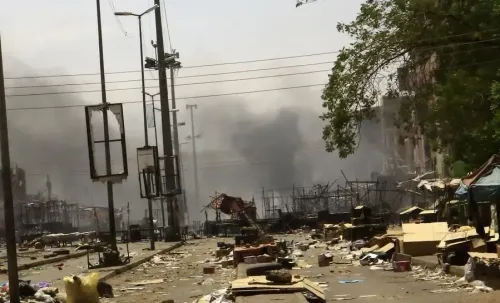
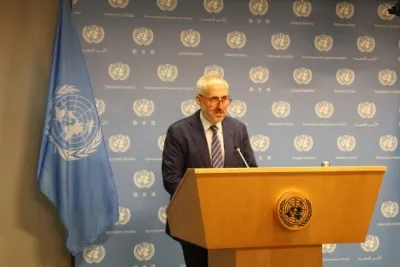
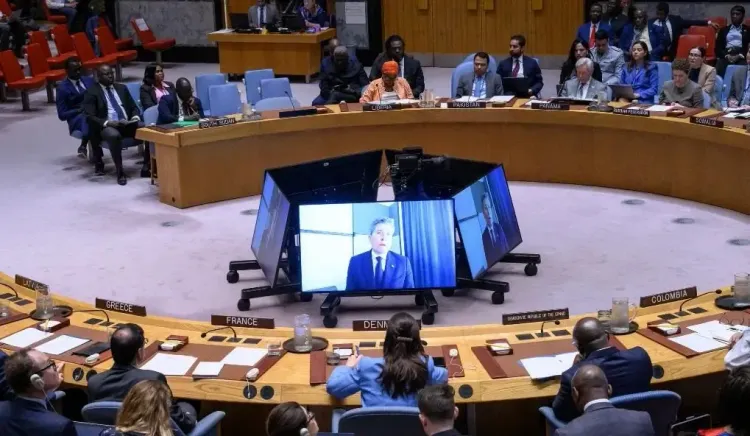
On April 18, the United Nations (UN) reported that Tom Fletcher, the UN Under-Secretary-General for Humanitarian Affairs and Emergency Relief Coordinator, issued a stark warning about the looming threat of famine in South Sudan. During a briefing to the Security Council, Fletcher stated, "The world's youngest nation is at a critical juncture. The levels of conflict, displacement, hunger, disease, and assaults on humanitarian workers are all on the rise," he emphasized.
This year, two-thirds of South Sudan's population is in urgent need of humanitarian assistance. However, the UN's humanitarian plan, which requires $1.46 billion, is currently only 22 percent funded.
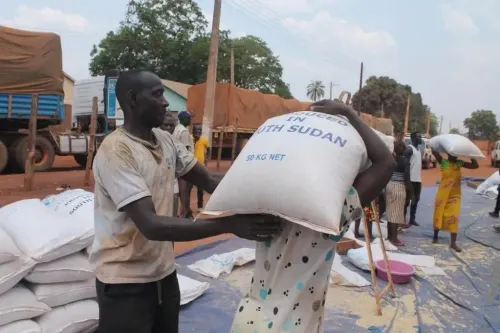
Fletcher expressed concern that his next update on South Sudan may report on famine conditions, stating, "Over 7.5 million individuals will require food aid this year. This situation is exacerbated by ongoing floods that are isolating communities and devastating livelihoods," he warned.
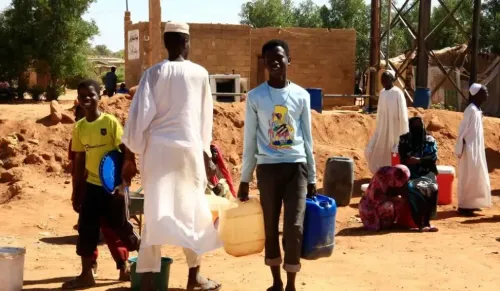
The grip of hunger is tightening across South Sudan, with emergency levels of food insecurity anticipated in all 10 states during the lean season, lasting from now until July.
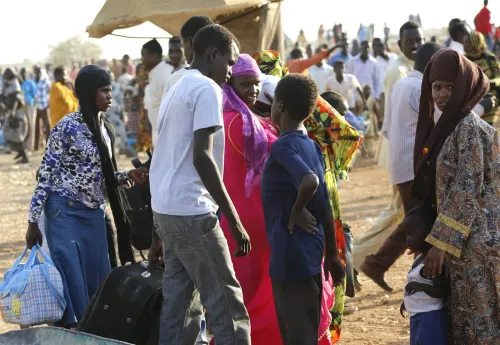
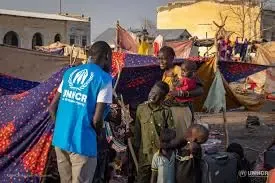
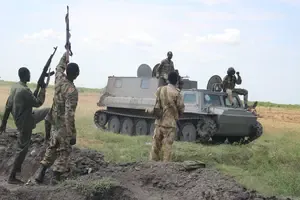
Since late December, renewed hostilities in Jonglei state have forced more than 250,000 individuals to flee to other states, with an additional 110,000 seeking refuge in Ethiopia, according to Fletcher.
The World Health Organization has reported that 1.35 million people in Jonglei have lost access to healthcare due to the destruction or closure of 26 medical facilities.
The situation is similarly dire in neighboring Upper Nile state, where ongoing violence, access restrictions, and interference with humanitarian efforts are obstructing aid delivery.
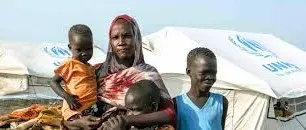
Moreover, the conflict in Sudan, particularly in the Kordofan region bordering South Sudan, is contributing to the influx of refugees—439,000 Sudanese refugees and 917,000 South Sudanese returnees have already crossed the border, Fletcher highlighted.
To avert the potential descent into full-blown famine and societal collapse, Fletcher urged the Security Council to undertake three immediate and decisive actions: first, to advocate for rapid and unrestricted humanitarian access, including the elimination of bureaucratic hurdles, checkpoints, and exorbitant fees, along with ensuring consistent air support; second, to significantly increase flexible funding during this critical lean season; and third, to leverage the Council's influence to ensure compliance with international humanitarian law and the safeguarding of civilians and infrastructure, as reported by the Xinhua news agency.
Fletcher also called for renewed political support to reinforce adherence to ceasefire agreements and to advance the implementation of the Revitalized Peace Agreement, underscoring that only peace can resolve this crisis.
Point of View
A coordinated humanitarian response is essential to alleviate suffering and restore stability.
NationPress
19 Sept 2026
Frequently Asked Questions
What is the current humanitarian situation in South Sudan?
South Sudan is facing a critical humanitarian crisis with rising levels of conflict and displacement, leading to food insecurity affecting over 7.5 million people.
How much funding is required for humanitarian aid in South Sudan?
The UN's humanitarian plan for South Sudan requires $1.46 billion but is only 22% funded.
What actions did the UN suggest to address the crisis?
The UN called for rapid humanitarian access, increased flexible funding, and adherence to international humanitarian law to protect civilians.
How many people have lost access to health care in Jonglei state?
Approximately 1.35 million individuals in Jonglei state have lost access to health care due to the destruction of medical facilities.
What is the impact of the conflict in Sudan on South Sudan?
The conflict in Sudan has led to an influx of refugees into South Sudan, with nearly 439,000 Sudanese refugees entering the country.