flydubai co-pilot Hamam Al Hamami was barred from flying in Oman over extremist concerns
Synopsis
A flydubai co-pilot who allegedly tried to crash a Dubai–Tel Aviv Boeing 737 on 30 September had reportedly been flagged as a security risk and barred from flying in Oman back in 2024 — yet was later hired by Royal Air Maroc and then flydubai. The gap in inter-airline security screening is now at the centre of the UAE's terrorism investigation.
Key Takeaways
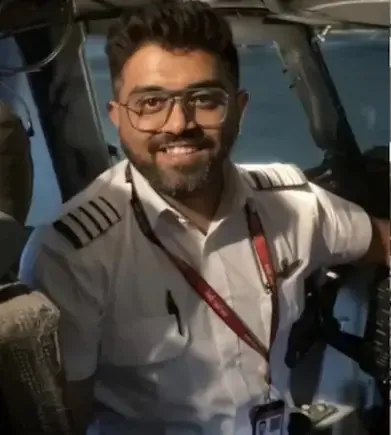
Hamam Al Hamami , flydubai co-pilot, allegedly attempted to sabotage a Dubai–Tel Aviv flight on 30 September 2026 and stabbed Indian Captain Smit Machchhar .
Al Hamami was reportedly barred from flying with Oman Air in 2024 after being found with extremist material and classified as a security risk.
Despite the restriction, he subsequently worked at Royal Air Maroc (June 2025–January 2026) before joining flydubai for approximately eight months .
A now-deleted LinkedIn profile reportedly posted two terror-related items within nine hours of the incident, including cockpit footage zooming in on an El Al aircraft and an image of al-Qaeda leader Ayman al-Zawahiri .
The aircraft descended at roughly 23,000 feet per minute from 34,000 feet before an emergency landing at Tabuk, Saudi Arabia .
UAE Attorney-General Hamad Saif Al Shamsi has ordered a specialised Public Prosecution team to investigate possible links to terrorist activity or external direction.
The flydubai co-pilot Hamam Al Hamami, accused of attempting to sabotage a Dubai–Tel Aviv flight on 30 September 2026 and attacking Indian captain Smit Machchhar, had reportedly been barred from flying in Oman over concerns that he had adopted extremist views — raising sharp questions about how he subsequently cleared security checks at a second and third airline before joining flydubai. According to media reports, Omani authorities identified Al Hamami as a security risk as early as 2024, yet the restriction apparently went undetected during his later hiring processes.
Background and Employment Trail
Al Hamami is an Omani citizen born in the United Arab Emirates (UAE) to an Omani father and a Syrian mother. He reportedly spent considerable time in Syria, where, according to media reports, he was allegedly influenced by extremist ideas before relocating to the UAE.
He was working as a co-pilot trainee with Oman Air in 2024 when he was allegedly found in possession of extremist material. He was reportedly permitted to continue in an administrative role but barred from flying after being classified as a security risk. A now-deleted LinkedIn profile reportedly indicated he had worked with Oman Air for seven years before leaving in February 2025.
He subsequently joined Royal Air Maroc in June 2025, leaving in January 2026, before taking up employment with flydubai — where he worked for approximately eight months, according to reports citing CNN.
Social Media Posts and Warning Signs
A now-deleted LinkedIn profile reportedly made two posts within roughly nine hours of the flydubai incident, both described as terror-related. One post reportedly contained a series of clips filmed inside the cockpit of a Boeing 737 Max, with the person recording zooming in on an aircraft belonging to Israeli carrier El Al. The footage reportedly ended with an image of Ayman al-Zawahiri, the al-Qaeda leader who succeeded Osama Bin Laden, alongside a photograph of Humam Khalil Abu-Mulal al-Balawi, who killed nine people in a 2009 suicide bombing targeting US personnel.
A second post reportedly featured an AI-generated image of Islam's three holiest sites in Mecca, Medina, and Jerusalem, with a poem in the background that reportedly referred to rejecting humiliation, not fearing death, and defending dignity, according to CNN.
A separate CNN report described Al Hamami's now-deleted X (formerly Twitter) account as portraying him as 'deeply religious and misogynistic.' A former colleague also reportedly described him as a religious extremist, though investigations into his background and motives remain ongoing.
What Happened on Board
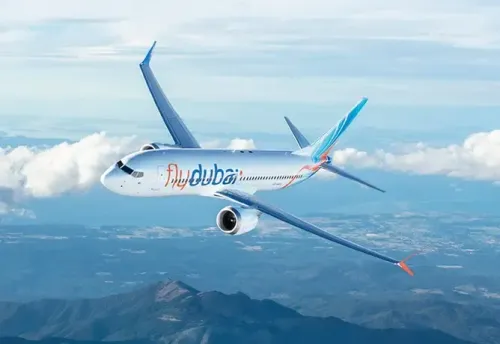
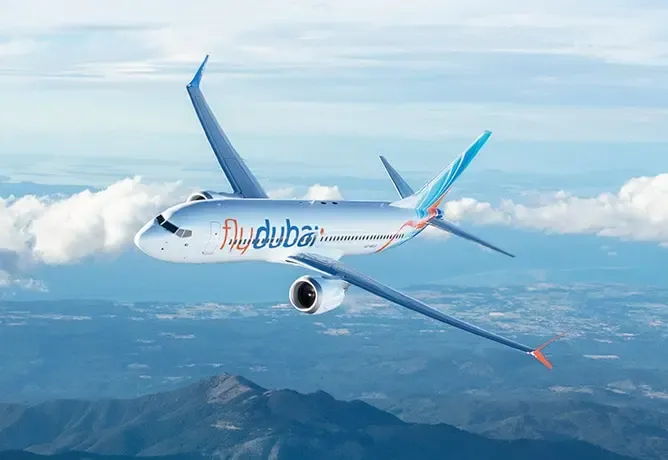
The flydubai Boeing 737 was en route from Dubai to Tel Aviv on 30 September when Al Hamami allegedly attempted to sabotage the aircraft and stabbed Captain Smit Machchhar, who was resisting the attack. At the time, the aircraft — cruising at approximately 34,000 feet — began descending at roughly 23,000 feet per minute, dropping to about 15,600 feet.
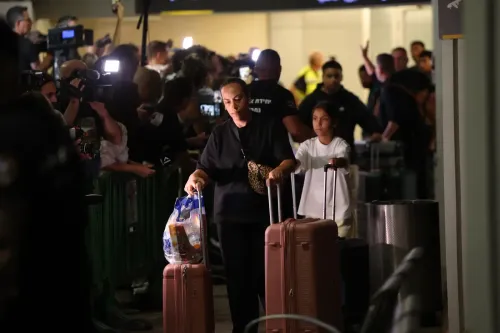
Captain Machchhar fought back, opening the cockpit door so that passengers and crew could overpower Al Hamami. The aircraft made an emergency landing at Tabuk in Saudi Arabia, assisted by two other pilots who were travelling on the flight. Reports have also suggested Al Hamami intended to crash the aircraft in Israel, though this is subject to ongoing investigation.
UAE Investigation and Official Response
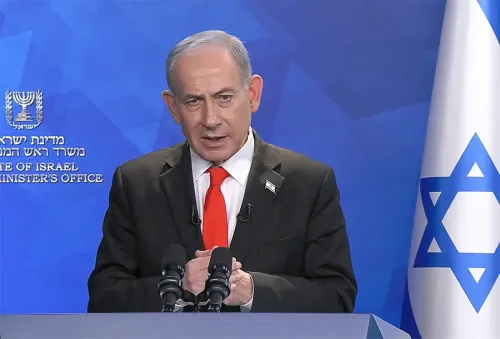
UAE Attorney-General Hamad Saif Al Shamsi has ordered the formation of a specialised investigation team from the Public Prosecution to probe the incident, including any possible connection to terrorist activity, prior planning, or external direction, according to a statement released by the UAE Ministry of Foreign Affairs. The UAE has also acknowledged and appreciated Saudi Arabian authorities for their cooperation and handling of the emergency landing.
Critical scrutiny is now focusing on the screening process that allowed Al Hamami — reportedly already flagged as a security risk in Oman — to obtain commercial flying positions at two subsequent airlines. As investigations deepen, the outcome could reshape airline background-check protocols across the Gulf region.
Point of View
Yet that intelligence did not prevent him from obtaining commercial flying roles at two further airlines across two countries. Gulf aviation's background-verification architecture — which relies heavily on self-reported employment history and reference checks — appears structurally ill-equipped to share security red flags across borders. The UAE investigation's scope, extending to 'prior planning or direction,' signals that authorities are treating this as a potential network case, not merely an individual act. If that line of inquiry produces evidence, the pressure on regional airline regulators to build a shared flagging database will become very difficult to resist.
NationPress
3 Oct 2026
Frequently Asked Questions
Who is Hamam Al Hamami and what is he accused of?
Hamam Al Hamami is an Omani national and former flydubai co-pilot accused of attempting to sabotage a Dubai–Tel Aviv Boeing 737 flight on 30 September 2026 and of stabbing Indian Captain Smit Machchhar, who was trying to stop him. Investigations into motive and any external direction are ongoing.
Why was Al Hamami reportedly banned from flying in Oman?
Al Hamami was reportedly barred from flying with Oman Air in 2024 after allegedly being found in possession of extremist material and being classified as a security risk. He was permitted to continue in an administrative capacity but was grounded from cockpit duties, according to media reports.
How did Al Hamami end up working for flydubai despite the reported Oman ban?
Despite the reported restriction, Al Hamami later joined Royal Air Maroc in June 2025 and left in January 2026 before being hired by flydubai. Questions over how he cleared background and security checks at both airlines are now central to the UAE investigation, with no official explanation yet provided.
What happened on the flydubai flight and how was it brought to safety?
The Boeing 737, cruising at about 34,000 feet, plunged at roughly 23,000 feet per minute after Al Hamami allegedly seized control. Captain Smit Machchhar fought back and opened the cockpit door, allowing passengers and crew to overpower Al Hamami. Two other pilots on board then assisted in making an emergency landing at Tabuk in Saudi Arabia.
What is the UAE doing in response to the flydubai incident?
UAE Attorney-General Hamad Saif Al Shamsi has ordered a specialised investigation team drawn from the Public Prosecution to probe the circumstances, causes, and any links to terrorist activity, prior planning, or external direction. The UAE has also publicly thanked Saudi Arabia for its cooperation in handling the emergency landing.