flydubai co-pilot planned 9/11-style crash at Ben Gurion, targeted Tel Aviv skyscrapers

Synopsis
The Omani co-pilot who attacked an Indian captain mid-flight had reportedly planned the operation for over a year — joining flydubai specifically because it flew to Tel Aviv, scouting Ben Gurion Airport in person, and postponing once out of loyalty to a crew friend. What stopped a potential 9/11-scale attack on Israel was a badly injured pilot who refused to yield.
Key Takeaways
Hamam Al-Hammami , aged 29 , reportedly told UAE investigators he planned to crash flydubai Flight 1073 into a building or jet at Ben Gurion Airport in a September 11-style attack .
Contingency targets allegedly included a Tel Aviv skyscraper and US military bases in Jordan .
Al-Hammami reportedly joined flydubai specifically to access Tel Aviv routes, planning the attack before being hired.
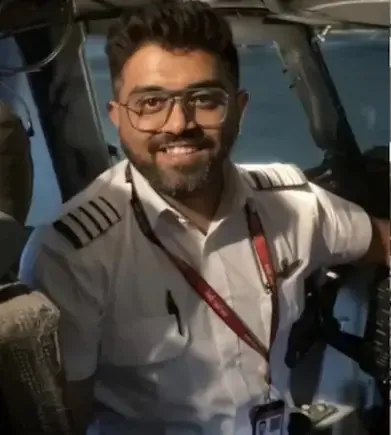
Indian captain Smit Machchhar , attacked with a crash axe, sent distress signals despite serious injuries; two off-duty pilots then landed the aircraft safely in Saudi Arabia .
Oman had previously barred Al-Hammami from flying over alleged extremist views ; he reportedly expressed support for al-Qaeda online.
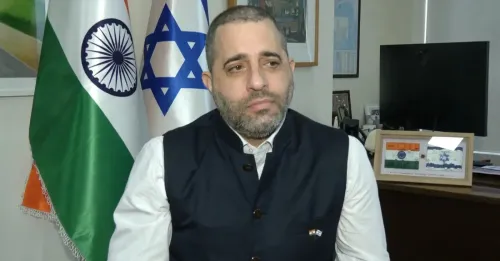
Israel's Transportation Minister Miri Regev and Shin Bet have traded blame over vetting responsibilities, with a wider investigation into security lapses ongoing.
The Omani co-pilot who attempted to seize control of flydubai Flight 1073 had reportedly planned a September 11-style attack — intending to crash the aircraft into a building or another jet at Ben Gurion Airport in Tel Aviv, according to accounts published by Israeli media. Hamam Al-Hammami, aged 29, an Omani first officer currently under arrest, is said to have disclosed the plot to investigators in the United Arab Emirates (UAE).
The Alleged Plan
According to reports citing investigative sources, Al-Hammami's strategy was to operate the flight normally after incapacitating the aircraft's captain — Indian pilot Smit Machchhar — and obtain routine landing clearances without raising alarm. He reportedly planned to initiate the attack while the aircraft was flying over Jordan and approaching Israeli airspace, calculating that acting late in the flight would leave too little time for authorities to intervene.
Citing sources, Israeli outlet Ynet reported that Al-Hammami had also told investigators that, should he fail to crash the plane at Ben Gurion, his contingency targets included a skyscraper in Tel Aviv or one of the US military bases in Jordan.
Israel's Channel 13 reported that Al-Hammami had conceived the attack even before joining flydubai, and had specifically sought employment with the low-cost Emirati carrier because it operates flights to Tel Aviv. 'I looked into which airline flies to Tel Aviv. That's why I chose flydubai. I planned it even before I was accepted,' he reportedly told investigators.
How Captain Machchhar Thwarted the Attack
Al-Hammami reportedly asked to pray shortly before launching the assault. He then attacked Captain Machchhar with a crash axe. 'The blows kept coming. I realised that it's not the aircraft; it's the other guy who was in the cockpit with me,' Machchhar said, recounting the ordeal during a phone conversation with Israeli Prime Minister Benjamin Netanyahu on Saturday.
Despite suffering serious injuries — including a blow to the head that initially led him to believe the aircraft itself had been struck — Machchhar managed to send distress signals and open the cockpit door. Crew members and passengers then intervened to restrain Al-Hammami. Two off-duty pilots travelling aboard subsequently took control of the aircraft and safely diverted it to Saudi Arabia.
Italian newspaper Corriere della Sera reported that Al-Hammami had shut off the aircraft's engines and pushed the rudders forward after attacking the captain, causing the jet to lose approximately 16,000 feet of altitude in under a minute — bringing it close to the speed of sound.
Captain Machchhar is currently receiving treatment at a hospital in Abu Dhabi.
The Postponed July Attack and Pre-Employment Planning
Sources cited by Israel's Channel 12 reportedly said that Al-Hammami had initially intended to carry out the attack in July but postponed it at the last moment because one of the crew members on that flight was a personal acquaintance. Reports further indicate that during a visit to Israel in June, he had used the trip to gather intelligence and prepare for the assault — having flown to Ben Gurion Airport multiple times after joining flydubai.
Security Failures Under Scrutiny
The incident has exposed what critics argue are serious lapses in pre-flight security vetting. Officials have confirmed that Oman had previously barred Al-Hammami from flying due to concerns about his alleged extremist views. He had reportedly posted online content expressing support for al-Qaeda. His background — an Omani citizen with a Syrian mother who had lived in Syria during the civil war — had apparently not triggered flags during flydubai's hiring process.
Questions have also been raised over how an Omani national, from a country without diplomatic relations with Israel, was permitted to operate flights carrying Israeli passengers to Tel Aviv. Regional officials, speaking on condition of anonymity, said Emirati authorities had shared passenger and crew nationality data with Israel, but that Israel had not raised any concerns about the crew or passengers before the flight.
Israel's domestic security agency Shin Bet said the Transportation Ministry is responsible for vetting passenger lists received from foreign carriers. Transportation Minister Miri Regev, in a post on X, stated that flight security responsibility lies with the security agencies and that her ministry had not received a passenger list or any prior warnings about the flight. Dvir Rubenstein, head of aviation security at Israel's Transportation Ministry, told Army Radio that the ministry relies on locally conducted security checks and does not have the capacity to independently screen every passenger on every inbound flight.
As the investigation continues, attention is turning to whether existing international aviation-security protocols are adequate to detect ideologically motivated actors who infiltrate the industry over an extended period.
Point of View
Used employment as operational cover, and scouted the target airport in person. That is not a spontaneous act of violence — it is a structured infiltration of a commercial airline. Oman had already flagged his extremist leanings and grounded him, yet that intelligence did not translate into a hiring block at flydubai or a crew-vetting red flag in Israel. The institutional finger-pointing between Shin Bet and the Transportation Ministry is a familiar post-incident ritual; the harder question is why existing data-sharing frameworks between UAE, Oman, and Israel produced no actionable alert despite a documented prior concern. Aviation security globally relies heavily on state-level flags — and this case suggests that chain has a critical gap when the threat actor transits jurisdictions without diplomatic relations.
NationPress
5 Oct 2026
Frequently Asked Questions
What did flydubai co-pilot Hamam Al-Hammami plan to do?
Al-Hammami allegedly planned to crash flydubai Flight 1073 into a building or another aircraft at Ben Gurion Airport in Tel Aviv, in an attack modelled on the September 11, 2001 strikes. He reportedly told UAE investigators that he had planned the operation even before joining flydubai, specifically choosing the airline because it flew to Tel Aviv.
How was the attack stopped?
Indian captain Smit Machchhar, despite being attacked with a crash axe and sustaining serious injuries, managed to send distress signals and open the cockpit door. Crew and passengers then subdued Al-Hammami, and two off-duty pilots aboard safely diverted the aircraft to Saudi Arabia.
Were there prior warnings about Al-Hammami?
Yes. Officials have confirmed that Oman had previously barred Al-Hammami from flying due to concerns about alleged extremist views, and he had reportedly posted online content expressing support for al-Qaeda. It remains unclear why this information did not prevent him from being hired by flydubai or flagged during pre-flight security vetting.
Who is responsible for the security lapse, according to Israeli authorities?
Israel's domestic security agency Shin Bet has said the Transportation Ministry is responsible for vetting passenger lists from foreign flights. Transportation Minister Miri Regev has countered that her ministry did not receive a passenger list or any prior alert about the flight, placing responsibility with the security agencies. An investigation is ongoing.
What were Al-Hammami's backup targets if he could not crash the plane at Ben Gurion?
According to Israeli media reports citing investigative sources, Al-Hammami told investigators that his contingency targets included a skyscraper in Tel Aviv or one of the US military bases in Jordan, in the event he was unable to execute the attack at Ben Gurion Airport.