Did the Government Prepare Thoroughly for the G RAM G Bill Amid Opponents' Protests?
Synopsis
As the Lok Sabha discusses the VB-G RAM G Bill, 2025, government sources reveal extensive groundwork was laid despite opposition protests. This bill aims to enhance rural employment protections while modernizing infrastructure, aligning with the Viksit Bharat vision for a more resilient rural economy.
Key Takeaways
Comprehensive consultations have been conducted before the Bill's introduction.
Aims to enhance rural employment from 100 to 125 days annually.
Focus on modern infrastructure and climate resilience .
Weekly progress reports will improve transparency and efficiency .
Use of technology for better monitoring and fraud prevention.
New Delhi, Dec 17 (NationPress) As the Lok Sabha gears up to deliberate on the Viksit Bharat - Guarantee for Rozgar and Ajeevika Mission (Gramin) (VB-G RAM G) Bill of 2025, government insiders have disclosed that comprehensive consultations and groundwork were conducted prior to finalizing this legislation.
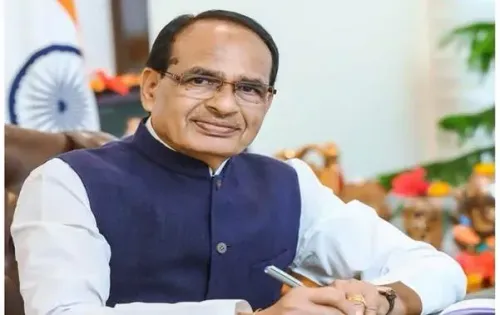
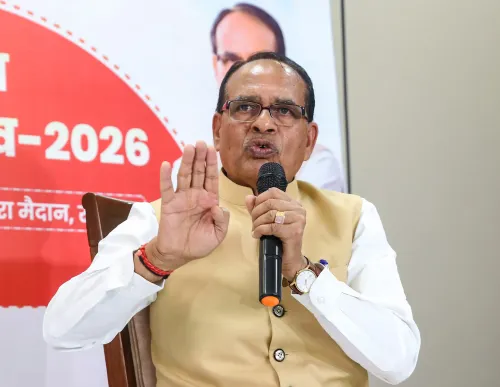
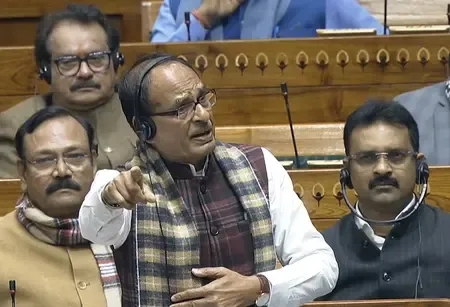
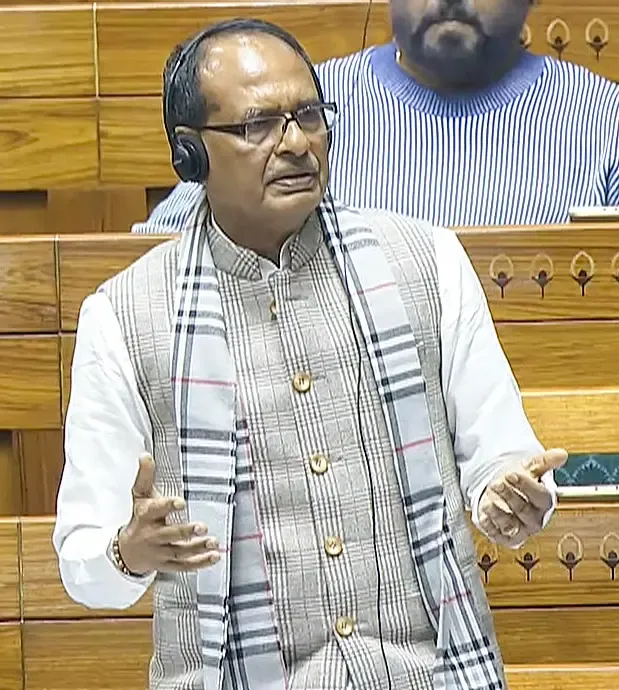
Introduced on December 16 by Union Agriculture and Farmers Welfare Minister Shivraj Singh Chouhan during ongoing protests from the opposition, this Bill aims to repeal the Mahatma Gandhi National Rural Employment Guarantee Act (MGNREGA), 2005, and to implement a new framework that guarantees 125 days of wage employment per year for rural households—an increase from the current 100 days.
Officials pointed out that there were extensive stakeholder engagements, including expert discussions, to ensure that the Bill promotes transparency, efficiency, and aligns with the Viksit Bharat @2047 vision.
The Bill emphasizes the modernization of infrastructure by focusing on thematic priorities such as water security, core rural connectivity, livelihood assets, and climate resilience initiatives, all integrated into a comprehensive national rural infrastructure framework.
A notable clause mandates that gram panchayats submit weekly progress reports on completed initiatives, enhancing real-time monitoring, swift identification of shortcomings, and optimal resource allocation. This feedback mechanism is designed to improve coordination between local bodies and central authorities, thereby reducing delays in rural development programs.
Key proposed strategies include skill mapping for more effective job allocation, digital tracking of workdays, and the use of advanced technologies like facial recognition to mitigate fraud in beneficiary identification—efforts that are aimed at achieving maximum governance in scheme implementation.
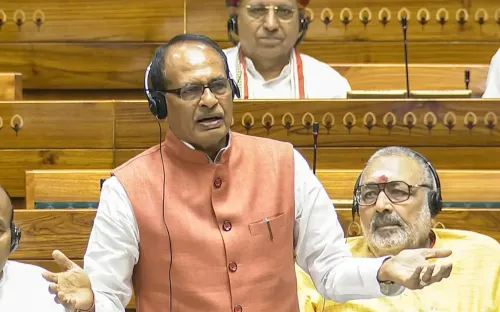
Minister Chouhan is expected to spearhead the government's response during the debate, which will follow discussions on other pending legislation such as those related to atomic energy.
He has framed this initiative as a continuation of MGNREGA's legacy while fostering empowerment, growth, convergence, and saturation for a prosperous rural India.
The legislation proposes alterations such as normative state-wise allocations, shared funding models, and breaks during peak agricultural periods to guarantee labor availability for farming.
If passed, it promises to revolutionize grassroots governance by incorporating digital tools, enhancing local accountability, and ensuring structured oversight, signifying a crucial shift towards a more resilient and citizen-focused rural employment landscape.
Point of View
I believe this Bill represents a significant step towards enhancing rural employment and infrastructure in India. With thorough groundwork and stakeholder engagement, it aims to address critical issues, ensuring that rural households receive the support they need for sustainable development. The government's proactive approach shows a commitment to aligning with future visions while respecting the legacy of past initiatives.
NationPress
27 Sept 2026
Frequently Asked Questions
What is the VB-G RAM G Bill?
The VB-G RAM G Bill is a legislative proposal aimed at guaranteeing 125 days of wage employment annually to rural households, replacing the existing MGNREGA framework.
Who introduced the VB-G RAM G Bill?
The Bill was introduced by Union Agriculture and Farmers Welfare Minister Shivraj Singh Chouhan on December 16, 2023.
What important changes does the Bill propose?
The Bill proposes to increase guaranteed workdays, modernize infrastructure, and implement digital tracking and monitoring mechanisms.
How does the Bill aim to enhance transparency?
By mandating weekly progress reports from gram panchayats and using technologies like facial recognition to prevent fraud.
What are the expected outcomes of this Bill?
If enacted, it aims to transform rural governance and improve employment opportunities through better resource management and accountability.