How Does GARC Propose to Empower Youth for a ‘Viksit Gujarat’?
Synopsis
Discover how the GARC’s sixth report aims to transform youth empowerment in Gujarat through strategic recruitment reforms. With a focus on technology and transparency, these recommendations could reshape the future for young job seekers in the state.
Key Takeaways
Fixed recruitment timelines to enhance efficiency.
Joint recruitment tests to reduce costs and increase uniformity.
Digital workflows to streamline processes and improve transparency.
Focus on youth as key drivers of state development.
Capacity building within recruitment agencies for better service delivery.
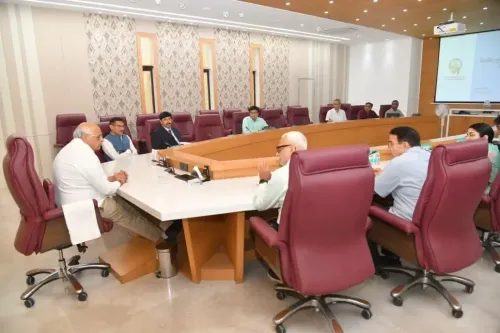
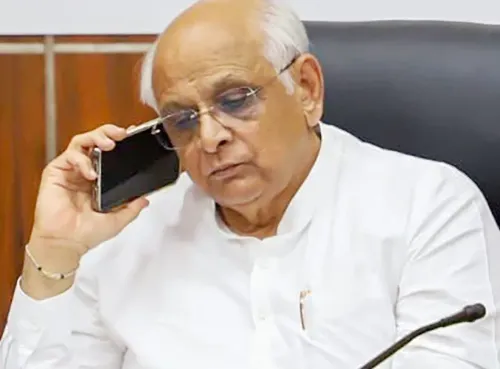
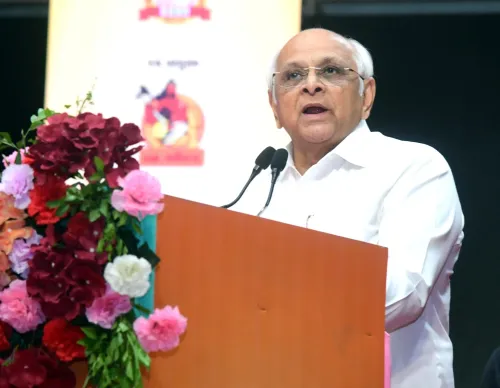
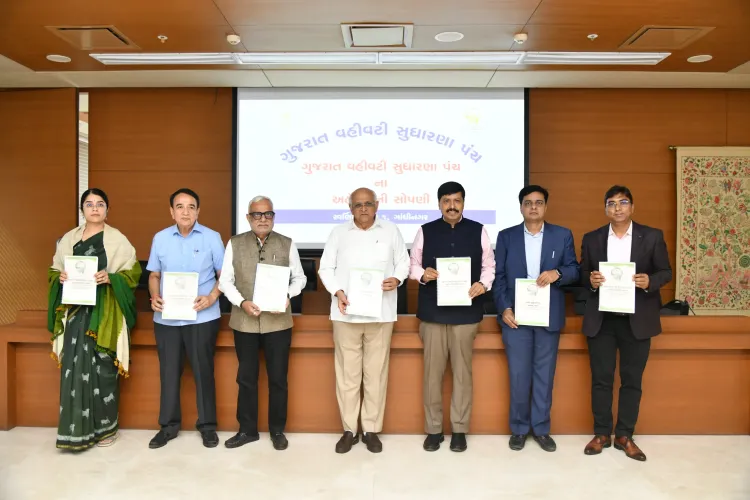
Gandhinagar, Dec 3 (NationPress) The Gujarat Administrative Reforms Commission (GARC) presented its sixth report to Chief Minister Bhupendra Patel on Wednesday, suggesting enhanced opportunities for youth to serve as the essential “driving force” behind the ‘Viksit Gujarat’ initiative.
Established by the Chief Minister and led by Principal Advisor Dr Hasmukh Adhia, the GARC aims to implement significant reforms in the administrative structure and operations of the state government.
To date, the Dr Hasmukh Adhia-led GARC has delivered five reports to the state government.
The latest report includes nine major recommendations designed to expedite the recruitment process, enhance transparency, leverage technology, and prioritize youth involvement.
Here’s a closer look at the GARC's recommendations aimed at empowering the youth:
- Fixed Timeline for Recruitment: Ensure three-stage recruitment is completed within 9 to 12 months and two-stage recruitment within 6 to 9 months, with plans to shorten these timelines in the future.
- Joint Recruitment and Common Entrance Test (CET): Implement joint prelims and subject-wise mains for similar educational qualifications to accelerate recruitment, maintain uniformity, and lower the costs associated with separate exams.
- Two Fixed Requisition Windows Every Year: Establish a central cell to oversee recruitment, examination, and training regulations, enabling all departments to submit requisitions online during two predetermined windows each year, which will expedite the finalization of rules and recruitment processes.
- Complete Digital Document Verification (IASS): Transition from manual verification to an entirely digital system. An API-linked database and a unique candidate document registry, similar to Digi Locker, will streamline document transfers between recruiting agencies and government departments, enhancing verification efficiency.
- Candidate-Friendly End-to-End Dashboard: Create a comprehensive dashboard linked to a candidate’s unique ID, enabling tracking of the entire process from application to appointment, along with a digital facility for district-wise posting selection.
- Complete Digital Workflow from Requisition to Appointment: Develop a unified digital portal for seamless information sharing between departments, agencies, and candidates, which minimizes repetitive document submissions to various recruiting entities and supports the Ease of Doing Business initiative.
- Capacity Building and Restructuring of Recruitment Agencies: Form a new Medical Services Recruitment Board (MSRB) for recruiting medical professionals under the Health and Family Welfare Department. Grant GSSSB, GPSSB, and GPRB the necessary administrative and financial autonomy comparable to the Gujarat Public Service Commission.
- Increasing Computer-Based Examinations: Maximize the number of digital examinations conducted across Gujarat and establish a dedicated Exam Monitoring Unit (EMU) in each recruitment agency to ensure transparent and effective examination oversight.
- 10-Year Recruitment Calendar: Develop a 10-year recruitment calendar for each department based on anticipated needs, identify priority emergency services and critical positions, and expedite recruitment for these roles.
These recommendations reinforce the commitment to providing effective employment opportunities for the youth of Gujarat, who play a pivotal role in the nation’s development. By implementing these suggestions, the recruitment process is expected to be completed within a year, ensuring timely and transparent job openings, quickly addressing long-standing vacancies, and fulfilling the state government’s vision to enhance administrative efficiency and public service delivery.
Point of View
The GARC's recommendations represent a significant step forward. This initiative aligns with a broader national commitment to harnessing the potential of young individuals, ensuring they play a vital role in shaping our future.
NationPress
2 Oct 2026
Frequently Asked Questions
What is the main goal of the GARC's recommendations?
The primary goal is to empower youth by improving recruitment processes and creating more job opportunities, making them a driving force behind the 'Viksit Gujarat' initiative.
How many reports has GARC submitted to date?
To date, GARC has submitted six reports to the state government, focusing on various reforms.
What is the significance of the 10-year recruitment calendar?
The 10-year recruitment calendar aims to anticipate future needs, prioritizing critical services and ensuring timely recruitment.