Gaza prosthetic crisis: 6,600 amputees, only 8 technicians available
Synopsis
More than 6,600 people in Gaza need prosthetic care — one in five a child — yet only eight prosthetic technicians are available. OCHA warns it could take five years just to meet current demand, assuming no further amputations. The numbers lay bare what restricted access to medical materials means on the ground.
Key Takeaways
OCHA reports over 6,600 amputees in Gaza need prosthetic and rehabilitation care, including thousands newly injured since October 2023 .
One in five amputees is a child.
Only eight prosthetic technicians are available to serve the entire affected population.
OCHA warns it could take five years or more to meet current needs, assuming no further amputations.
UN Emergency Relief Coordinator Tom Fletcher said humanitarian partners delivered supplies to nearly 4,500 households .
Health partners flagged concerns over skin diseases linked to pests and rodents in makeshift shelters in Khan Younis .
The UN Office for the Coordination of Humanitarian Affairs (OCHA) has warned of a critical shortage of prosthetic and rehabilitation care in Gaza, with more than 6,600 amputees — one in five of them a child — urgently requiring treatment but only eight prosthetic technicians available to respond. The warning was issued on Monday, underscoring the deepening humanitarian crisis in the territory since October 2023.
Scale of the Crisis
OCHA, citing its humanitarian partners, said thousands of the amputees have been newly injured since the conflict escalated in October 2023. The agency cautioned that with severe shortages of specialists and restricted entry of prosthetic materials, it could take five years or more to meet current needs — and that estimate assumes no further amputations occur.
Point of View
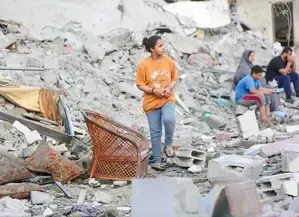
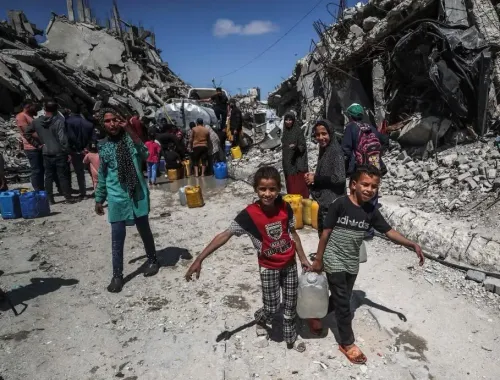
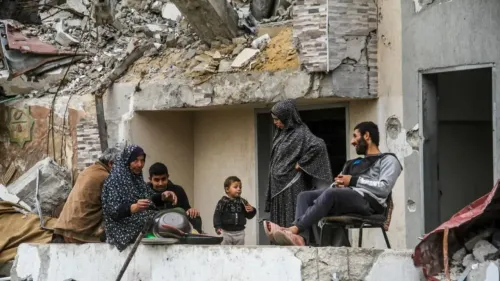
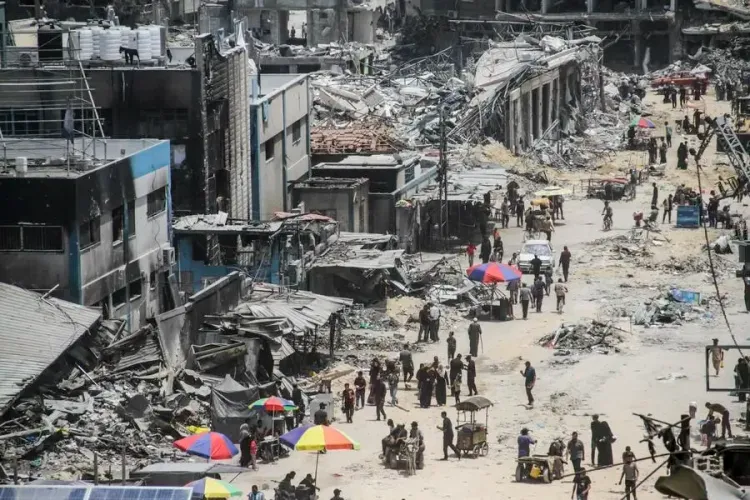
600 amputees, one in five of them a child, the rehabilitation deficit in Gaza has moved beyond crisis into something closer to structural abandonment. OCHA's pointed reference to Israeli restrictions on prosthetic materials is a rare moment of direct attribution in UN humanitarian language, and it deserves to be read carefully. The broader pattern — restricted materials, overwhelmed specialists, displaced families in plastic-sheet shelters — suggests the humanitarian system is not failing Gaza so much as being prevented from helping it.
NationPress
19 Sept 2026
Frequently Asked Questions
How many amputees in Gaza need prosthetic care?
More than 6,600 amputees in Gaza need prosthetic and rehabilitation care, according to OCHA and its humanitarian partners. One in five of those amputees is a child, and thousands have been newly amputated since October 2023.
Why could it take five years to meet Gaza's prosthetic needs?
OCHA says severe shortages of specialists and restricted entry of prosthetic materials mean it could take five years or more to meet current demand — and that estimate assumes no further amputations occur. Only eight prosthetic technicians are currently available.
What has the UN done to help displaced families in Gaza?
UN Emergency Relief Coordinator Tom Fletcher said humanitarian partners delivered tents, sealing-off materials, bedding, and other supplies to nearly 4,500 households. Some improved emergency shelters in Khan Younis are made from plastic sheets and can be upgraded once restricted materials are allowed entry.
What health risks are Gaza's displaced families facing?
Health partners have reported concerns about skin diseases and other medical issues linked to the presence of pests and rodents in makeshift shelters, according to UN Emergency Relief Coordinator Tom Fletcher.
What does OCHA say is needed to address the prosthetic crisis in Gaza?
OCHA has called for the urgent deployment of international prosthetic technicians, expansion of workshop capacity, and the unimpeded entry of prosthetic materials, which it says remain restricted by Israeli authorities.