Indian Government Allocates Rs 30,000 Crore for LPG Subsidy in 2025-26
Synopsis
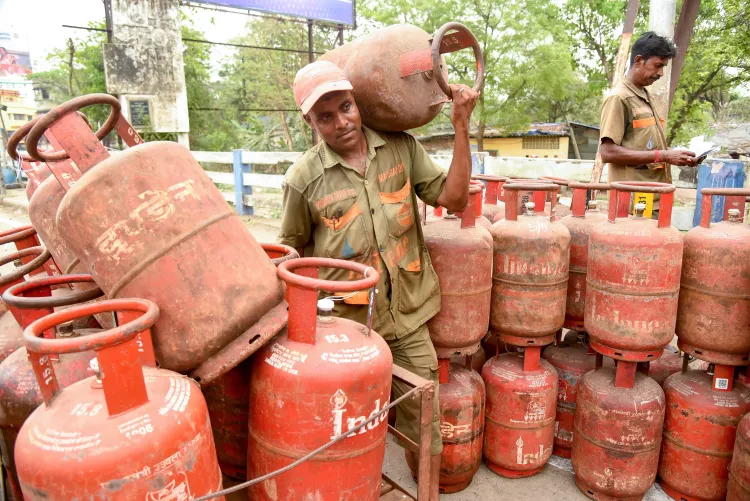
The Indian government has announced a substantial allocation of Rs 30,000 crore for the fiscal year 2025-26 to assist public sector oil companies in providing LPG at subsidized rates. This move aims to support consumers, especially those from economically weaker backgrounds.
Key Takeaways
The Indian government has approved Rs 30,000 crore for LPG subsidies in 2025-26.
This funding supports public sector oil companies like Indian Oil, Bharat Petroleum, and Hindustan Petroleum.
The effective price of a 14.2 Kg LPG cylinder for poor consumers is Rs 613.
All domestic refineries have been directed to enhance LPG production.
Strategic reserves of crude oil totaling 5.33 MMT have been established to manage supply chain disruptions.
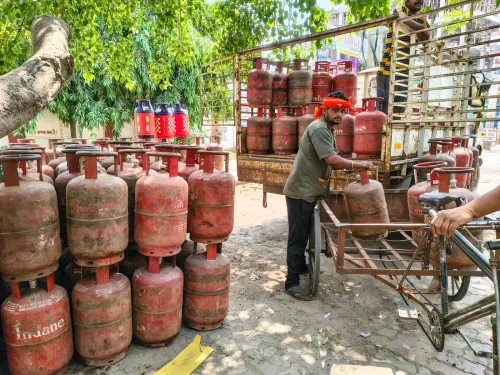
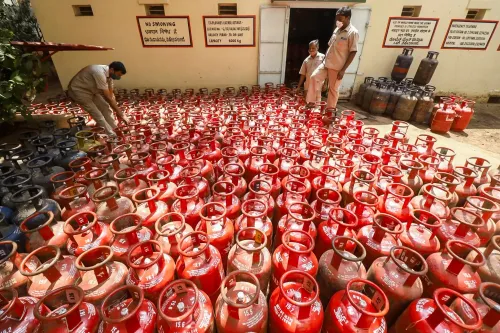
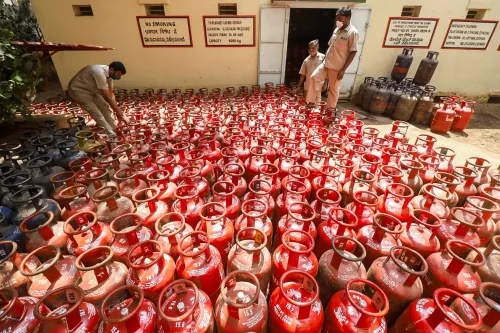
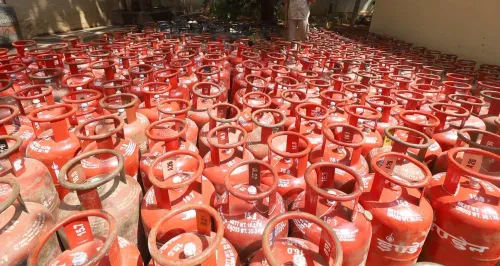
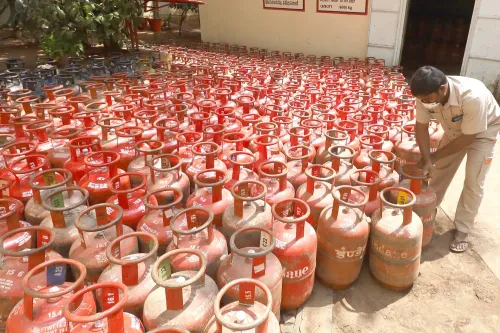
New Delhi, March 12 (NationPress) The Government has sanctioned a sum of Rs 30,000 crore for the fiscal year 2025-26 to support public sector oil companies, namely Indian Oil, Bharat Petroleum, and Hindustan Petroleum, in their efforts to provide LPG at subsidized rates, as reported in Parliament on Thursday.
As of now, the retail price for a 14.2 Kg domestic LPG cylinder in Delhi stands at Rs 913.
Under the Pradhan Mantri Ujjwala Yojana (PMUY), the government offers a targeted subsidy of Rs 300 per cylinder to economically weaker consumers, making the effective price of the 14.2 Kg LPG cylinder Rs 613 for them in Delhi, according to Minister of State for Petroleum and Natural Gas Suresh Gopi, who provided this information in a written response to a Lok Sabha inquiry.
To enhance the availability of domestic LPG, the Ministry has instructed all domestic oil refineries and petrochemical facilities to prioritize the production of LPG by directing C3 and C4 streams toward it, exclusively for public sector oil companies. These directives fall under the Essential Commodities Act, as mentioned by the minister.
Additionally, Gopi highlighted that the government, via a Special Purpose Vehicle known as Indian Strategic Petroleum Reserve Limited (ISPRL), has set up strategic petroleum reserves with a cumulative capacity of 5.33 Million Metric Tonnes (MMT) of crude oil. This reserve is intended to mitigate supply chain disruptions caused by ongoing geopolitical tensions, such as the conflict in Iran.
The minister further clarified that the pricing of petrol and diesel in India is determined by market dynamics, and public sector oil marketing companies make pricing decisions accordingly.
Nevertheless, the government intervenes fiscally when necessary to adjust the tax framework on petroleum products to alleviate the consumer burden. The Central government had previously reduced Central Excise duty by Rs 13 per litre on petrol and Rs 16 per litre on diesel during two phases in November 2021 and May 2022. This reduction was fully transferred to consumers. In March 2024, oil marketing companies decreased the retail prices of petrol and diesel by Rs 2 per litre, but in April 2025, an increase of Rs 2 per litre in excise duty on both fuels was not passed on to consumers, as stated by the minister.
Point of View
It's crucial to note the government's commitment to subsidizing LPG for economically disadvantaged consumers. This financial support for public sector oil companies demonstrates a proactive approach in ensuring energy affordability amidst rising global tensions.
NationPress
1 Oct 2026
Frequently Asked Questions
What is the purpose of the Rs 30,000 crore subsidy?
The subsidy is aimed at supporting public sector oil companies in supplying LPG at reduced prices to consumers, particularly those from economically weaker backgrounds.
How much is the effective price of LPG for poor consumers?
Under the Pradhan Mantri Ujjwala Yojana, the effective price for a 14.2 Kg LPG cylinder for poor consumers is Rs 613 after a targeted subsidy of Rs 300.
What measures is the government taking to increase LPG availability?
The Ministry has mandated all domestic oil refineries to prioritize LPG production and supply the output exclusively to public sector oil companies.
How does the government manage the prices of petrol and diesel?
Petrol and diesel prices are market-determined, but the government intervenes to adjust taxes to help alleviate consumer costs when necessary.
What strategic reserves has the government established?
The Indian Strategic Petroleum Reserve Limited has created strategic reserves with a total capacity of 5.33 Million Metric Tonnes of crude oil to protect against supply disruptions.