What Key Decisions Were Made at Gujarat's Cabinet Meeting Led by CM Patel?
Synopsis
A pivotal cabinet meeting in Gujarat, chaired by Chief Minister Bhupendra Patel, resulted in key initiatives aimed at improving public health, sanitation, and environmental protection. Discover how these decisions could impact communities across the state and foster a cleaner, safer environment.
Key Takeaways
Intensive cleanliness drive in government school toilets.
Urgent pollution control measures for rivers and air quality.
Collaboration between departments to tackle environmental issues.
Expansion of sanitation facilities through government initiatives.
Improvement in water supply through strategic programs.
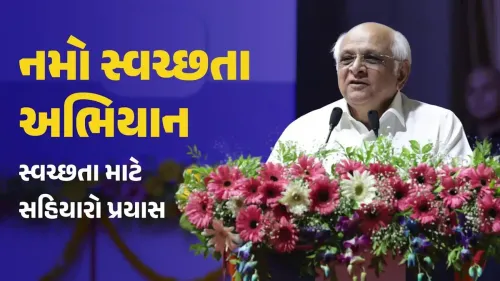
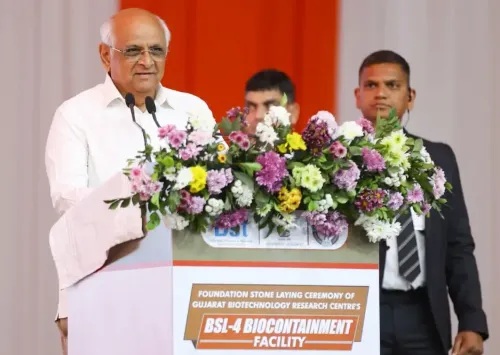
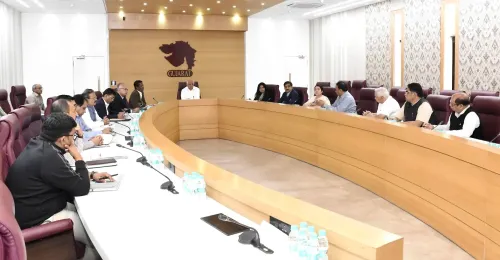
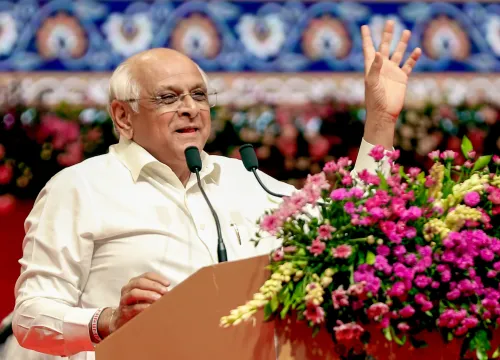
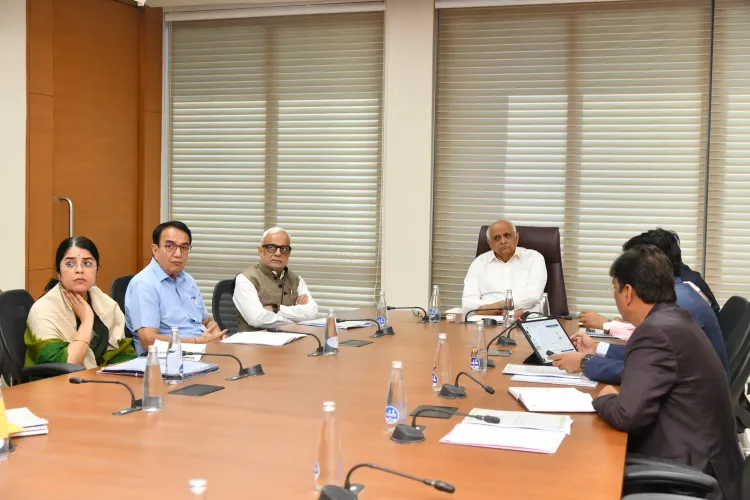
Ahmedabad, December 3 (NationPress) - During a cabinet meeting convened in Gandhinagar and led by Chief Minister Bhupendra Patel, significant resolutions were made with an emphasis on public health, sanitation, and environmental preservation.
Jitu Vaghani, the Cabinet spokesperson, informed the media that the Chief Minister has mandated a thorough cleanliness and repair initiative targeting all government school toilet facilities across the state.
Officials have been directed to carry out comprehensive inspections and promptly resolve any issues related to sanitation, drainage, and water supply as needed.
Vaghani also mentioned that the Chief Minister voiced serious concerns regarding the escalating pollution and waste issues in the state's rivers and streams. He has instructed senior officials to swiftly identify the sources of contamination and implement effective measures to mitigate further pollution. The cabinet also engaged in discussions about the increasing problem of air pollution.
Recognizing the long-term implications, the Chief Minister has ordered various departments to collaborate and develop a thorough, state-wide action plan aimed at proactively addressing and reducing air pollution.
Gujarat's sanitation, drainage, and water supply systems have seen substantial improvements in recent years, largely due to government-led initiatives designed to enhance public health and infrastructure in both urban and rural regions.
Through initiatives like the Swachh Bharat Mission and the state's own Nirmal Gujarat campaign, thousands of toilets have been constructed or renovated in schools, villages, and public areas, significantly enhancing hygiene and curbing open defecation.
Urban areas have benefited from the implementation of modern drainage systems, although older cities still contend with issues such as clogged lines and flooding during monsoons, leading to ongoing upgrades and stormwater management efforts.
On the water supply front, programs like the Sujalam-Sufalam Yojana and the Nal Se Jal initiative have expanded access to clean drinking water, connecting remote regions to extensive pipeline networks like the Narmada canal-based system.
While access and coverage have improved, the state continues to strive for consistent quality, timely maintenance, and pollution control, especially in rapidly expanding districts where infrastructure faces increasing demand.
Point of View
It is imperative to acknowledge Gujarat's proactive steps towards public health and environmental sustainability. The government's commitment to sanitation and pollution control reflects a broader trend of accountability and innovation in addressing pressing environmental challenges. Such actions not only benefit the local populace but also set a commendable example on a national scale.
NationPress
24 Sept 2026
Frequently Asked Questions
What initiatives were discussed in the cabinet meeting?
The cabinet meeting focused on sanitation improvements, pollution control, and strategies to enhance public health infrastructure.
Who led the cabinet meeting?
The meeting was chaired by Chief Minister Bhupendra Patel.
What measures will be taken to address air pollution?
The Chief Minister has instructed departments to collaborate on a comprehensive action plan to proactively reduce air pollution.
How has sanitation improved in Gujarat?
Gujarat has significantly enhanced sanitation facilities through initiatives like the Swachh Bharat Mission and Nirmal Gujarat campaign.
What is the goal of the Sujalam-Sufalam Yojana?
The goal of the Sujalam-Sufalam Yojana is to expand access to clean drinking water in remote areas.