Gujarat Diwali parole 2026: 143 prisoners, including 40 women, get 15-day release from Nov 6
Synopsis
Gujarat will release 143 prisoners — 103 elderly men and 40 women — on 15-day Diwali parole from 6 November, continuing an annual tradition dating back to 2003. The move, backed by Deputy CM Harsh Sanghavi, reflects the state's prisoner welfare push, though those convicted of serious crimes, terrorism, or under NDPS, TADA, and POTA laws remain firmly excluded.
Key Takeaways
143 prisoners in Gujarat will receive 15-day Diwali parole starting 6 November 2026 (Dhanteras).
The facility covers 103 male prisoners aged 60 and above and 40 women prisoners .
Gujarat has granted annual Diwali parole every year since 2003 .
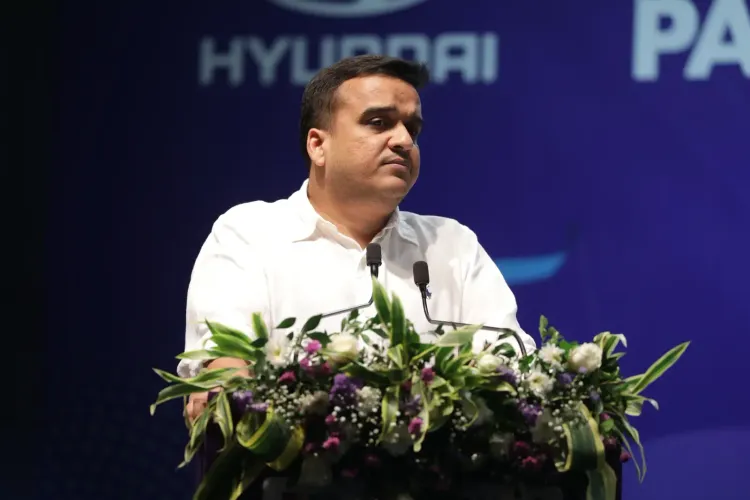
The scheme is administered under Deputy Chief Minister Harsh Sanghavi 's supervision.
Prisoners convicted of rape, kidnapping, terrorism, and offences under NDPS, TADA, and POTA are ineligible.
NRI prisoners, those with High Court appeals pending, and prisoners from other states are also excluded.
A total of 143 prisoners across Gujarat will be released on 15-day Diwali parole beginning 6 November 2026, the state government announced on 1 November. The facility covers 103 male prisoners aged 60 years and above and 40 women prisoners, enabling them to spend the festival season with their families.
Key Details of the Parole Arrangement
The parole period commences on Dhanteras, 6 November, and runs for 15 days. The annual facility has been extended by the Gujarat government every Diwali since 2003, making this the 23rd consecutive year of the initiative. It falls under the state's prisoner welfare and prison reform programme, overseen by Deputy Chief Minister Harsh Sanghavi.
Who Qualifies and Who Does Not
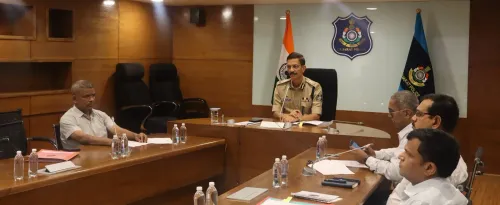
Director General of Police (Gujarat Prisons and Correctional Department) Dr K L N Rao confirmed that the facility is restricted to eligible female prisoners and male prisoners aged 60 or above, with strict exclusions in place. Prisoners whose appeals are pending before the High Court, non-resident Indian (NRI) prisoners, and those belonging to other states are not eligible.
Those sentenced under the Narcotic Drugs and Psychotropic Substances (NDPS) Act, the Terrorist and Disruptive Activities (Prevention) Act (TADA), and the Prevention of Terrorism Act (POTA) are also barred. Similarly excluded are prisoners convicted of more than one offence, those involved in terrorist activities or crimes considered detrimental to the state's economy, and those convicted of serious offences including rape, kidnapping, robbery, dacoity, theft, and extortion.
Prisoners against whom preventive detention orders are currently in force will also remain outside the scope of the scheme.
Government's Statement
'The annual parole arrangement is intended to give eligible prisoners an opportunity to celebrate the festival with their families while adhering to the prescribed eligibility conditions,' officials said.
Context and Significance
Gujarat's Diwali parole programme is one of the older standing prisoner welfare frameworks among Indian states, predating several national-level prison reform discussions. This comes amid broader conversations across India about prison overcrowding and the rehabilitation of inmates, particularly elderly and women prisoners who are considered lower flight risks. Notably, the strict exclusion criteria — covering serious crimes and terrorism-related offences — reflect the government's effort to balance humanitarian considerations with public safety obligations.
Point of View
Out of a prison population running into the tens of thousands, a meaningful gesture or a symbolic one? The tight exclusion list, while publicly defensible, effectively limits the reach of the scheme to a narrow category. As India grapples with chronic prison overcrowding, states would do well to examine whether humanitarian parole criteria can be widened without compromising public safety — or whether the optics of the festive release have outpaced the substance of reform.
NationPress
1 Nov 2026
Frequently Asked Questions
Which prisoners in Gujarat are eligible for Diwali parole in 2026?
Eligible prisoners include female inmates and male prisoners aged 60 years or above who have not been convicted of serious offences. Those involved in terrorism, crimes under NDPS, TADA, or POTA, rape, kidnapping, robbery, dacoity, theft, or extortion are excluded, as are NRI prisoners and those with High Court appeals pending.
When does the Gujarat Diwali parole 2026 begin?
The 15-day parole period begins on Dhanteras, 6 November 2026. It is the 23rd consecutive year Gujarat has offered this annual facility since the programme started in 2003.
How many prisoners will be released on Diwali parole in Gujarat?
A total of 143 prisoners will be released — 103 male prisoners aged 60 and above, and 40 women prisoners. All are required to meet the state government's eligibility conditions.
Who oversees the Diwali parole programme in Gujarat?
The programme falls under the prisoner welfare and prison reform initiative supervised by Deputy Chief Minister Harsh Sanghavi. Operational details are managed by the Gujarat Prisons and Correctional Department, headed by Director General of Police Dr K L N Rao.
Are prisoners convicted of drug offences eligible for Gujarat's Diwali parole?
No. Prisoners sentenced under the Narcotic Drugs and Psychotropic Substances (NDPS) Act are explicitly excluded from the Diwali parole facility, along with those convicted under TADA and POTA.