Vaishnaw visits BEML Bengaluru, spotlights bullet train build
Synopsis
Union Minister Ashwini Vaishnaw visited BEML's Bengaluru factory on November 1, 2026, sharing footage of domestic bullet-train manufacturing for the ₹1.08 lakh crore Mumbai-Ahmedabad High-Speed Rail Corridor — a milestone in India's Atmanirbhar rail ambitions.
Key Takeaways
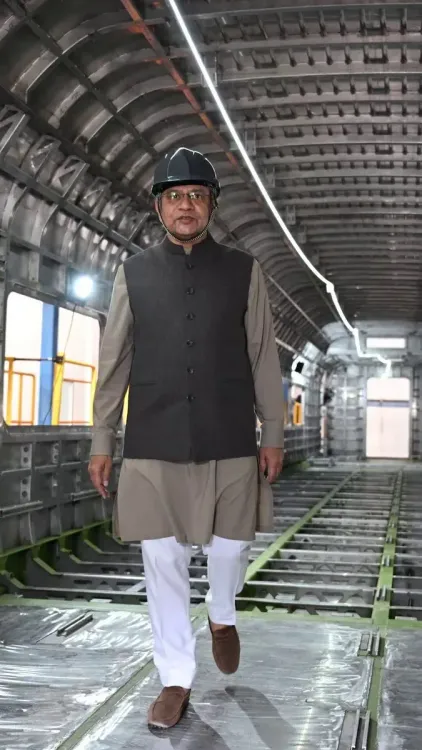
Union Minister Ashwini Vaishnaw visited the BEML factory in Bengaluru on November 1, 2026 to showcase bullet-train manufacturing progress.
The Mumbai-Ahmedabad High-Speed Rail Corridor was approved in December 2015 at an estimated cost of ₹1.08 lakh crore , with 81% funded by a Japanese soft loan.
BEML Ltd , a Bengaluru-based public sector undertaking, is central to the domestic rolling-stock manufacturing push for the corridor.
The project uses Shinkansen technology under a government-to-government agreement with Japan, with a strong emphasis on local production and technology transfer.
The first commercial run on the corridor is projected for the late 2020s , subject to prototype testing and trial results.
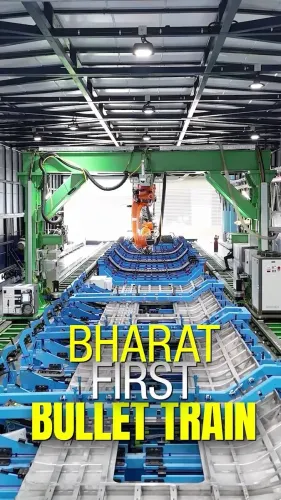
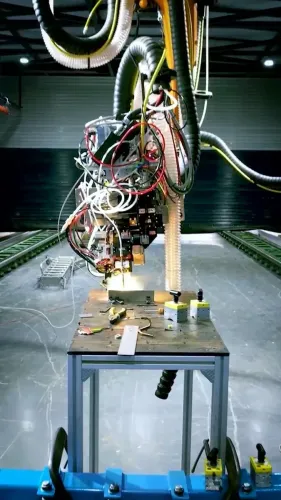
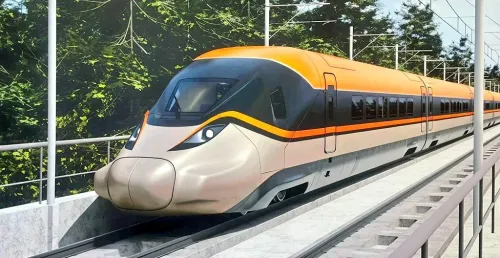
India's first bullet train is no longer just a blueprint — it is taking shape on the factory floor. Union Minister Ashwini Vaishnaw visited the BEML factory in Bengaluru on Sunday, November 1, 2026, sharing a behind-the-scenes look at what he called 'The Making of Bharat's First Bullet Train.'
BEML's Bengaluru plant at the centre of a historic build
BEML Ltd, the Bengaluru-based public sector undertaking best known for metro coaches and defence equipment, is now part of India's most ambitious rail project. The minister's visit — and the video he posted — signals that domestic manufacturing for the Mumbai-Ahmedabad High-Speed Rail (MAHSR) Corridor is past the drawing-board stage and into physical production.
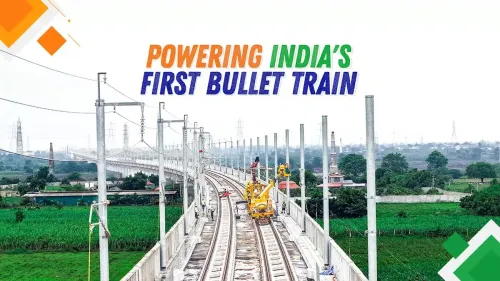
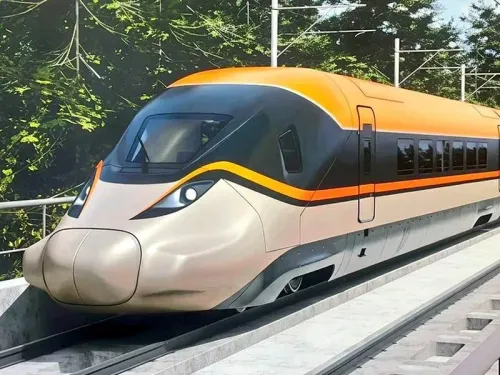
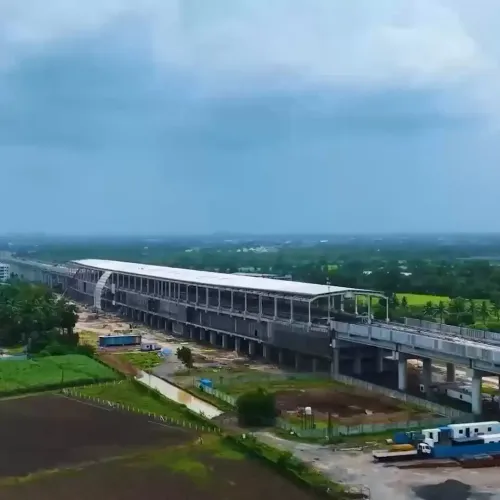
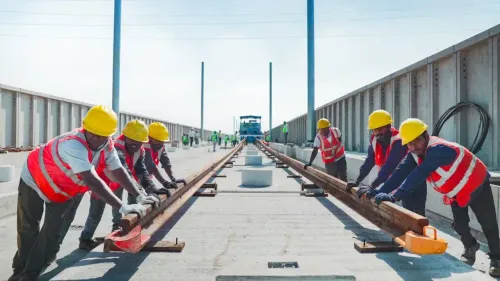
The MAHSR project was approved by the Cabinet in December 2015 at an estimated cost of ₹1.08 lakh crore, with 81 per cent financed through a Japanese soft loan. Built around Shinkansen technology under a government-to-government agreement with Japan, the corridor has always carried a dual ambition: run trains at bullet-train speeds and do it with components made in India.
Make in India meets 320 km/h
That second ambition is where Vaishnaw's Bengaluru visit lands its punch. Successive railway budgets since 2015 have pushed for technology transfer and local rolling-stock production rather than importing complete trainsets. BEML's involvement represents the Atmanirbhar Bharat principle being stress-tested on one of the country's most watched infrastructure corridors.
The factory floor in Bengaluru, historically associated with metro rail production for cities like Delhi, Bengaluru, and Kolkata, is now threading high-speed rail ambition into its assembly lines — a visible pivot for a PSU that has steadily expanded its rail manufacturing footprint.
What the first commercial run timeline means for the corridor
The Mumbai-Ahmedabad corridor is projected to see its first commercial services in the late 2020s. Prototype testing and phased trials will need to validate not just the trains but the domestic supply chain being built around them. Every update from a factory like BEML's is, in effect, a data point on whether India can close that timeline.
For a minister who holds simultaneous charge of Railways, Electronics & IT, and Information & Broadcasting, the Bengaluru visit is also a messaging moment — connecting the 'Make in India' narrative to something riders will eventually board.
The bullet train is being built. The clock on its maiden run is ticking.
Point of View
A lesson drawn from post-pandemic disruptions across infrastructure sectors. For the BJP, a working bullet train before the next general election cycle would be one of its most tangible infrastructure deliverables. The Atmanirbhar framing, threaded through every railway budget since 2020, now has a factory floor and a video to point to.
NationPress
1 Nov 2026
Frequently Asked Questions
Where is India's bullet train being manufactured?
Components for India's first bullet train are being manufactured at the BEML factory in Bengaluru , Karnataka, as part of the Mumbai-Ahmedabad High-Speed Rail Corridor project.
What is the cost of the Mumbai-Ahmedabad bullet train project?
The Mumbai-Ahmedabad High-Speed Rail Corridor was approved in December 2015 at an estimated cost of ₹1.08 lakh crore , with 81 per cent of the funding coming from a Japanese soft loan.
When will India's first bullet train start running?
The first commercial services on the Mumbai-Ahmedabad corridor are projected for the late 2020s , pending successful prototype testing and phased trials.
What technology is used in India's bullet train?
India's bullet train uses Japanese Shinkansen technology , adopted through a government-to-government agreement between India and Japan, with a strong focus on technology transfer for domestic production.
What is BEML's role in the bullet train project?
BEML Ltd is a Bengaluru-based public sector undertaking involved in manufacturing rolling stock for India's first bullet train, extending its established expertise in metro and rail coach production.