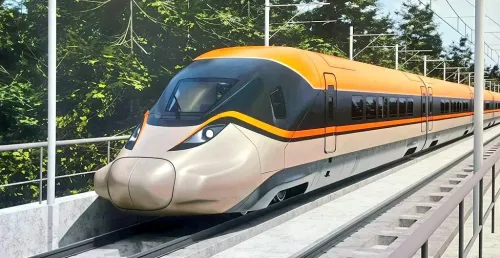
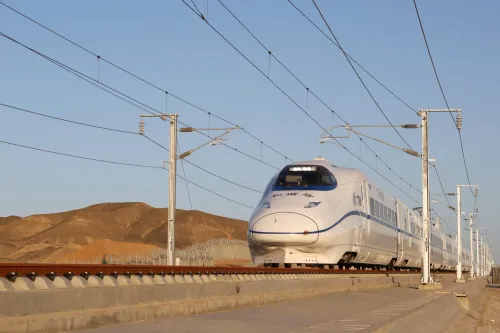
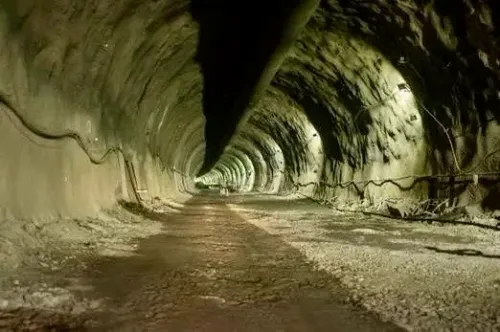
Vaishnaw flags bullet trains as economic corridor drivers
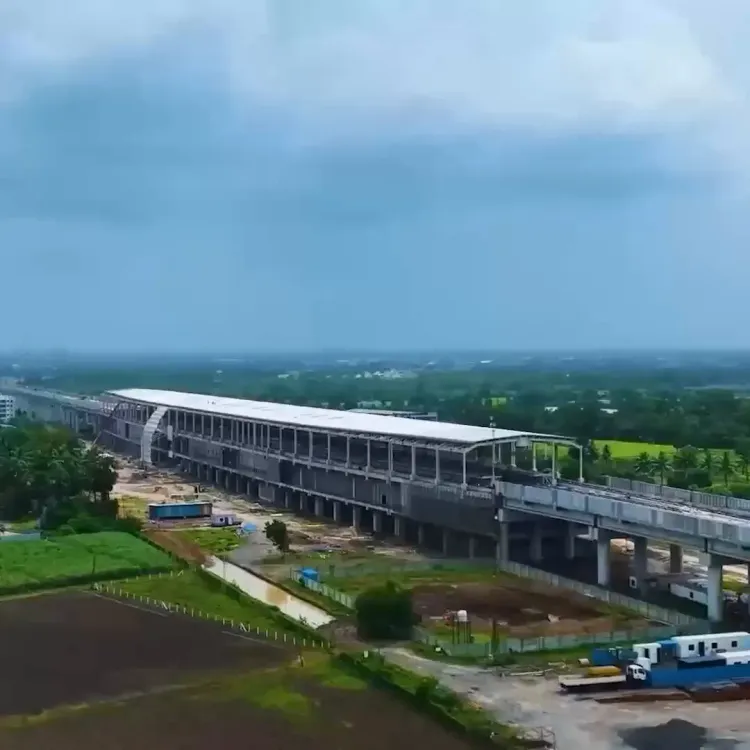
Synopsis
Union Minister Ashwini Vaishnaw has framed bullet train projects as drivers of economic corridor development in India, linking high-speed rail to industrial and logistics growth. The remark connects the Mumbai-Ahmedabad High Speed Rail corridor and the Delhi-Mumbai Industrial Corridor as complementary infrastructure pillars.
Key Takeaways
Union Minister Ashwini Vaishnaw on June 10, 2026 identified bullet train projects as instruments for developing economic corridors.
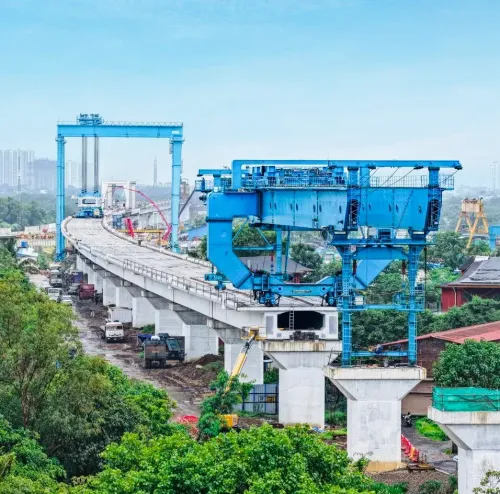
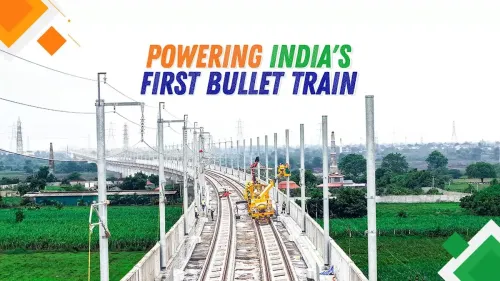
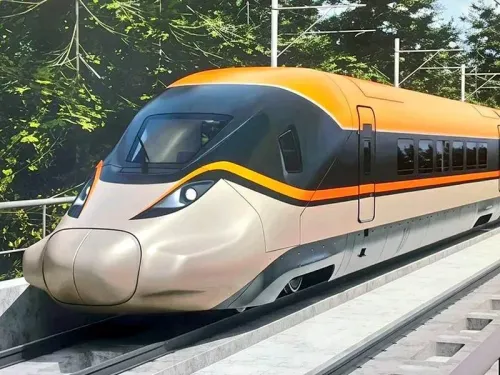
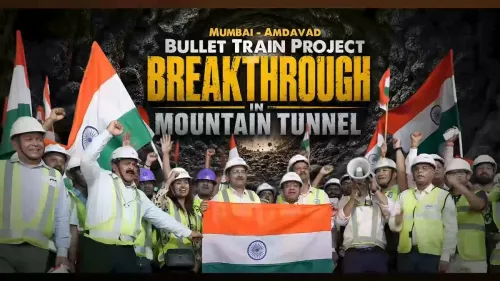
India's flagship high-speed rail project, the Mumbai-Ahmedabad High Speed Rail corridor , spans 508 km and uses Japanese Shinkansen technology funded by JICA .
The Delhi-Mumbai Industrial Corridor , announced in 2006 , overlaps geographically with the high-speed rail alignment, enabling integrated infrastructure planning.
The corridor-based development model is intended to attract private investment and integrate manufacturing zones with passenger and freight networks.
Gujarat and Maharashtra are the primary state-level stakeholders in the Mumbai-Ahmedabad bullet train corridor.
Land acquisition and construction timelines for the Mumbai-Ahmedabad corridor remain key milestones to watch.
Union Minister Ashwini Vaishnaw on Wednesday, June 10, 2026, highlighted the role of bullet train projects in developing economic corridors, posting a pointed remark on X as part of an ongoing exchange on infrastructure priorities.
Context
In a reply post, the minister listed 'developing economic corridors with bullet train projects' as a key infrastructure objective — framing high-speed rail not merely as a passenger convenience but as a spine for industrial and logistics growth. The post was part of a numbered thread, suggesting a broader enumeration of policy priorities or achievements under the current government's infrastructure push.
The framing connects two distinct but overlapping national programmes: high-speed passenger rail and dedicated industrial corridor development, both of which have been central to the government's infrastructure narrative over the past decade.
Policy Backdrop
India's flagship high-speed rail initiative — the Mumbai-Ahmedabad High Speed Rail (MAHSR) corridor — spans 508 kilometres and is being built using Japanese Shinkansen technology with financing from the Japan International Cooperation Agency (JICA). The project received Cabinet approval in December 2015, following a memorandum of cooperation signed between India and Japan that same year covering technology transfer and official development assistance.
In parallel, the Delhi-Mumbai Industrial Corridor (DMIC) — announced in 2006 — aims to build industrial clusters, smart cities, and logistics infrastructure along the western economic spine of the country, a route that significantly overlaps with the proposed high-speed rail alignment. Successive national rail and infrastructure plans have emphasised corridor-based development as a strategy to attract private investment and integrate manufacturing zones with passenger and freight networks.
Stakeholders and Impact
The convergence of bullet train infrastructure with economic corridors has direct implications for Gujarat and Maharashtra, the two states through which the Mumbai-Ahmedabad route passes. Industrial investors, logistics operators, and western India rail users stand to benefit from reduced travel times and improved connectivity between major production and consumption centres.
The approach mirrors international models — notably in Japan, China, and parts of Europe — where high-speed rail lines have catalysed real estate development, manufacturing zone expansion, and supply-chain efficiencies in adjacent regions. India's articulation of this model signals an intent to replicate those outcomes domestically.
What's Next
Attention will remain on construction milestones and land acquisition progress for the Mumbai-Ahmedabad corridor, which has faced delays on both fronts. Any budget announcements or policy statements on additional high-speed routes — including proposed corridors linking Delhi, Chennai, Kolkata, and Hyderabad — will be closely watched as indicators of how far the government intends to extend the bullet-train-as-corridor-anchor model.
Minister Vaishnaw's framing suggests that high-speed rail is increasingly being positioned as an economic development tool, not just a transport upgrade — a narrative likely to shape both budget allocations and diplomatic engagement with infrastructure financing partners in the months ahead.
Point of View
Where it becomes harder to defer or cut. By tying the Mumbai-Ahmedabad corridor to the broader Delhi-Mumbai Industrial Corridor logic, the government is building a case that delays carry economic, not just reputational, costs. This also positions India's Japan partnership as a strategic economic lever, not merely a bilateral goodwill project. The numbered-list format of the post suggests this is part of a coordinated effort to catalogue infrastructure achievements ahead of a political or policy milestone.
NationPress
26 Oct 2026
Frequently Asked Questions
What is India's bullet train project and where is it being built?
India's first bullet train project is the Mumbai-Ahmedabad High Speed Rail (MAHSR) corridor, a 508-kilometre route being constructed using Japanese Shinkansen technology with JICA financing. It connects two of India's largest commercial cities and received Cabinet approval in December 2015 .
What is an economic corridor and how does it relate to bullet trains?
An economic corridor is a planned zone of industrial, logistics, and urban infrastructure development along a transport spine. Bullet train routes like the Mumbai-Ahmedabad corridor are being aligned with projects such as the Delhi-Mumbai Industrial Corridor to jointly drive manufacturing investment and logistics efficiency.
What is Ashwini Vaishnaw's role in India's railway projects?
Ashwini Vaishnaw is the Union Minister of Railways, Information and Broadcasting, and Electronics and IT. He oversees all major railway modernisation initiatives, including high-speed rail projects and corridor development.
What is the Delhi-Mumbai Industrial Corridor?
The Delhi-Mumbai Industrial Corridor (DMIC) is a government programme announced in 2006 to develop industrial clusters, smart cities, and logistics infrastructure along India's western economic spine, stretching between the national capital and the country's financial hub.
Which country is helping India build its bullet trains?
Japan is the primary technology and financing partner for India's bullet train programme, providing Shinkansen technology and official development assistance through the Japan International Cooperation Agency (JICA) under an agreement signed in 2015 .