India's indigenous bullet train trials set for May-June 2026: Vaishnaw
Synopsis
India's first home-built bullet train is heading to the test tracks by May-June 2026 — a first-ever ministerial commitment on timeline for the indigenous variant. With the Surat-Vapi section due by December and a Modi inauguration pencilled in post-trials, the next year will determine whether India's high-speed rail ambitions match their schedule.
Key Takeaways
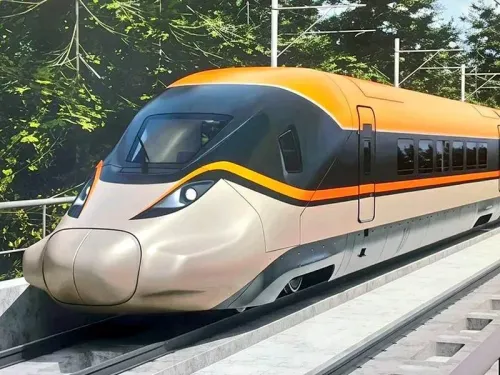
Railway Minister Ashwini Vaishnaw announced indigenous bullet train trials will begin by May or June 2026 .
Commercial inauguration by Prime Minister Narendra Modi is expected within 2-4 months of successful testing.
The first body frame of the train has been completed and sent for squeeze testing .
The Surat-Vapi section of the Mumbai-Ahmedabad corridor is targeted for completion by December 2025 .
Travel time between Vadodara and Mumbai is projected at just one and a half hours once operational.
Indian Railways has redeveloped 280 stations and laid 36,000 km of new tracks in recent years.
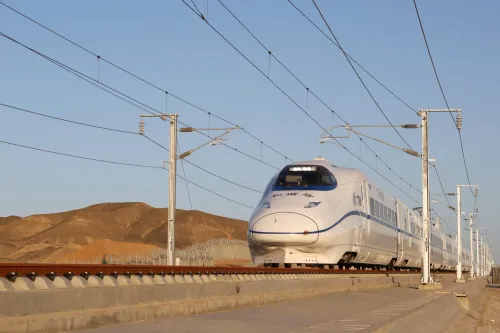
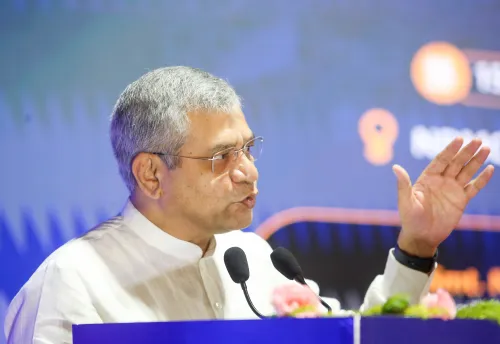
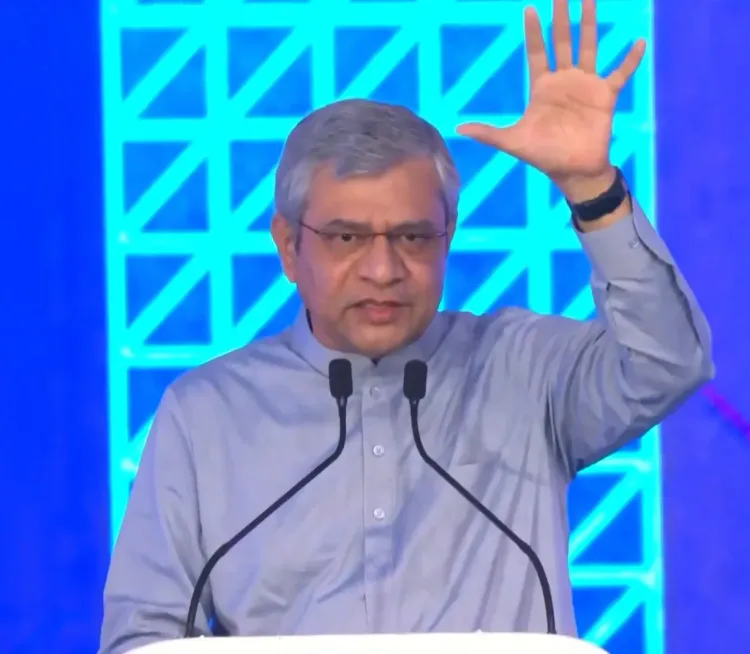
Union Railway Minister Ashwini Vaishnaw on Tuesday announced that India's first indigenously developed bullet train is on course to begin trial runs by May or June 2026, with commercial inauguration expected within two to four months of successful testing. The minister made the disclosure while addressing the 'NaMo for Viksit Bharat' event in Vadodara, marking a significant milestone in the country's high-speed rail ambitions.
Where the Project Stands
Vaishnaw confirmed that the first body frame of the indigenously built high-speed train has already been completed and dispatched for squeeze testing — a structural stress evaluation that precedes full-scale trials. “By May or June of next year, India's own bullet train will be on the tracks for testing. After a testing period of 2-4 months, the bullet train will be inaugurated by Prime Minister Narendra Modi,” he said.
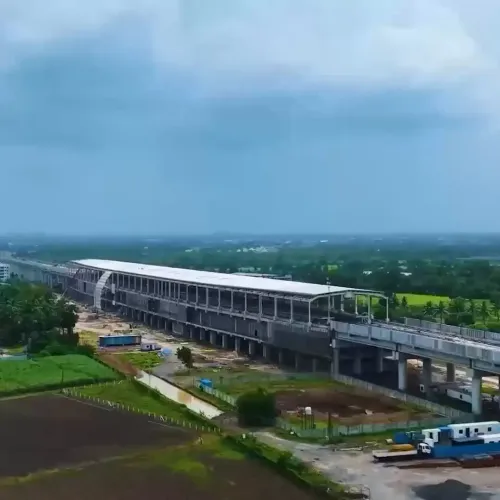
The minister added that construction on the Mumbai-Ahmedabad bullet train corridor is advancing at pace, with the Surat-Vapi section expected to be completed by December 2025. Once operational, the bullet train is projected to cut travel time between Vadodara and Mumbai to just one and a half hours.
Atmanirbhar Bharat at the Core
Vaishnaw framed the project explicitly within the government's Atmanirbhar Bharat vision, emphasising that the train is being developed domestically rather than imported as a turnkey solution. This positions the indigenous bullet train as a statement of manufacturing capability, distinct from the Shinkansen-technology-based corridor being built with Japanese collaboration under the National High Speed Rail Corporation (NHSRC).
Notably, this is the first time a specific timeline — May-June 2026 for trials — has been publicly committed to by a minister for the indigenous variant, lending the announcement added weight.
Broader Railway Reforms Cited
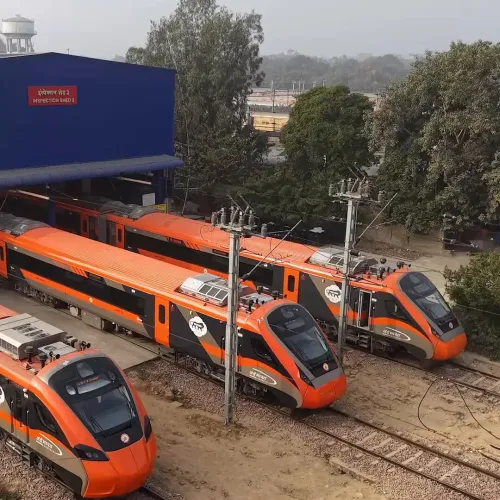
Beyond the bullet train, Vaishnaw outlined a wider modernisation drive across Indian Railways. He said 280 railway stations have been redeveloped and 36,000 km of new tracks laid in recent years. Cargo trains incorporating Vande Bharat technology are also reportedly under development.
“We are reforming and modernising everything, from operating systems and reservation systems to old construction protocols,” he said. The minister also cited the completion of the Chenab Bridge — the world's highest railway arch bridge — and the rail connectivity project linking Mizoram to the national network as evidence of accelerated infrastructure delivery.
What Comes Next
With the Surat-Vapi section due for completion by December 2025 and indigenous train trials slated for mid-2026, the next twelve months will be a critical stress test for the government's high-speed rail timeline. Industry observers note that post-trial certification, safety approvals, and passenger operations onboarding typically add complexity beyond the 2-4 month window cited by the minister. The commercial inauguration, if it proceeds as projected, would mark a landmark moment for Indian Railways and the broader Make in India programme.
Point of View
Which in comparable rail projects globally has stretched well beyond initial estimates. The broader railway modernisation numbers — 280 stations, 36,000 km of track — are impressive in scale but lack a baseline comparison that would let citizens assess pace against historical norms. The real accountability test arrives when the train either rolls on schedule or does not.
NationPress
25 Oct 2026
Frequently Asked Questions
When will India's indigenous bullet train start trial runs?
Railway Minister Ashwini Vaishnaw has stated that trial runs for India's indigenously developed bullet train are expected to begin by May or June 2026. The first body frame of the train has already been completed and sent for squeeze testing ahead of the trials.
When will the bullet train be commercially inaugurated?
Commercial inauguration is expected within two to four months after the trial period concludes, according to Vaishnaw. He indicated that Prime Minister Narendra Modi is likely to inaugurate the service once testing is successfully completed.
How long will the bullet train take from Vadodara to Mumbai?
Once operational, the bullet train is projected to cover the Vadodara-to-Mumbai route in approximately one and a half hours, significantly reducing current travel times on that corridor.
What is the current status of the Mumbai-Ahmedabad bullet train corridor?
Construction on the Mumbai-Ahmedabad corridor is progressing, with the Surat-Vapi section targeted for completion by December 2025. The corridor is being built in phases, with subsequent sections gaining momentum after early groundwork.
How is India's bullet train different from the Shinkansen-based project?
The indigenous bullet train being discussed is developed domestically under the Atmanirbhar Bharat framework, as distinct from the Japanese Shinkansen-technology-based corridor being constructed with collaboration from Japan. Vaishnaw emphasised that the indigenous variant reflects India's own manufacturing and engineering capability.