Vaishnaw: 3rd Mountain Tunnel Breakthrough for Bullet Train in 5 Months
Synopsis
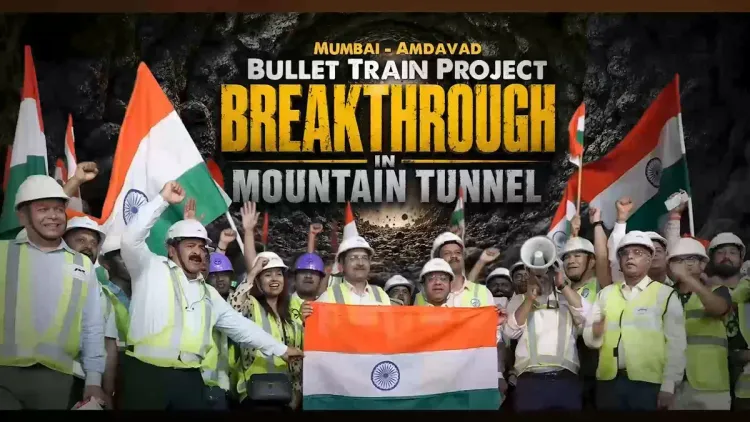
The Mumbai-Ahmedabad Bullet Train Project has recorded its third mountain tunnel breakthrough in Maharashtra within five months, Union Minister Ashwini Vaishnaw announced on June 2, 2026. The latest milestone is at Dahanu Taluka in Palghar district, signalling accelerating construction on India's first high-speed rail corridor.
Key Takeaways
Union Minister Ashwini Vaishnaw announced the third mountain tunnel breakthrough in Maharashtra within five months on June 2, 2026 .
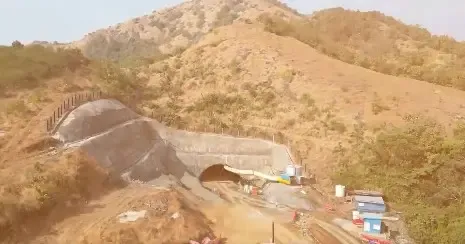
The breakthrough was recorded at Dahanu Taluka, Palghar district , Maharashtra.
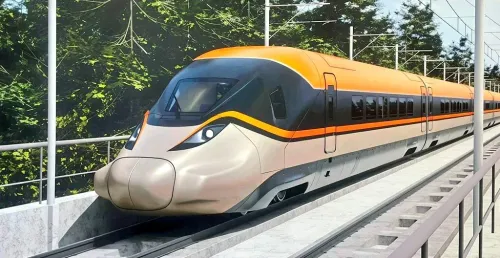
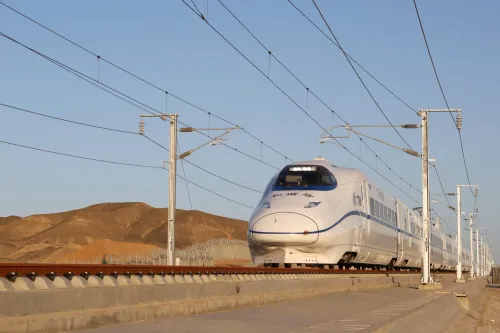
The Mumbai-Ahmedabad Bullet Train Corridor spans 508 km and uses Japanese Shinkansen technology.
The project is executed by the National High Speed Rail Corporation Limited (NHSRCL) , a public sector undertaking under the Ministry of Railways.
The corridor's foundation stone was laid in September 2017 by PM Narendra Modi and then-PM Shinzo Abe of Japan.
The project is a flagship component of India's National Infrastructure Pipeline for high-speed rail expansion.
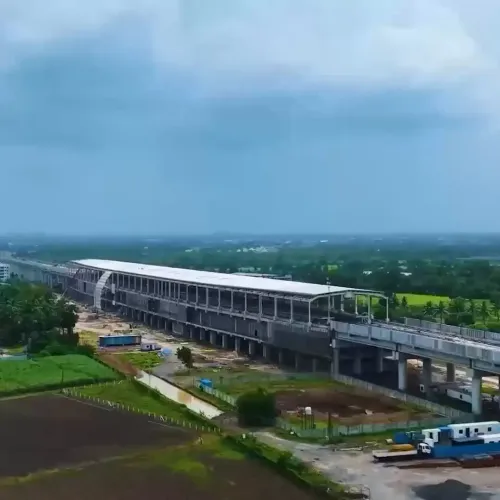
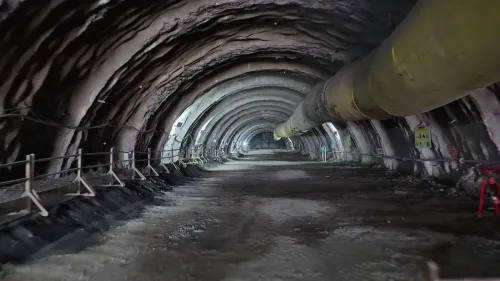
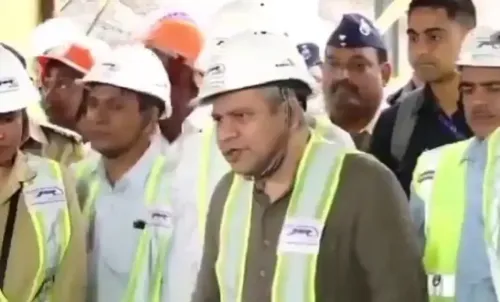
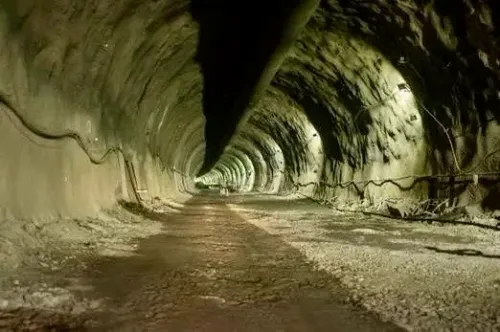
Union Minister Ashwini Vaishnaw announced on Tuesday, June 2, 2026, that the Mumbai-Ahmedabad Bullet Train Project has achieved its third mountain tunnel breakthrough in Maharashtra within five months, with the latest milestone recorded at Dahanu Taluka, Palghar district.
Context
The breakthrough at Dahanu Taluka marks a significant engineering advance on the 508-kilometre high-speed rail corridor connecting Mumbai and Ahmedabad. The corridor traverses coastal hills and sections of the Western Ghats in Maharashtra, making tunnelling one of the most technically demanding phases of the project. The minister described the development as 'another milestone' for the project.
The National High Speed Rail Corporation Limited (NHSRCL), the public sector undertaking executing the project, has been intensifying tunnelling operations along the Maharashtra alignment. The rapid succession of three mountain tunnel breakthroughs in five months signals accelerating construction momentum in a stretch that had earlier posed significant geological challenges.
Policy Backdrop
The Mumbai-Ahmedabad High Speed Rail Corridor was approved by the Union Cabinet in December 2015, and India and Japan signed a memorandum of understanding the same year for technical and financial cooperation using Shinkansen technology. The project's foundation stone was laid in September 2017 by Prime Minister Narendra Modi and then-Japanese Prime Minister Shinzo Abe.
Japan remains a key partner, providing both funding and engineering expertise rooted in its decades of Shinkansen operations. The bilateral cooperation on this corridor traces its origins to feasibility studies conducted in the early 2010s, making it one of the longest-running Indo-Japanese infrastructure partnerships.
Stakeholders and Impact
Communities in Palghar district, including Dahanu Taluka, sit directly on the project's alignment and have been closely affected by land acquisition and construction activity. Once operational, the corridor is expected to dramatically cut travel time between Mumbai and Ahmedabad, benefiting rail commuters across Maharashtra and Gujarat.
Infrastructure contractors and engineering firms working on the tunnelling packages have been deploying specialised tunnel boring and drill-and-blast techniques suited to the region's varied geology. The project also forms a centrepiece of India's broader National Infrastructure Pipeline, which envisions multiple high-speed rail corridors across the country.
What's Next
Attention will now shift to remaining tunnel and viaduct milestones in the Maharashtra section, where the alignment faces some of its most complex terrain before reaching flatter ground in Gujarat. Any revised project timelines or cost updates are expected to be presented before Parliament in coming sessions.
With tunnelling pace picking up, the NHSRCL and the Ministry of Railways will be under pressure to maintain the momentum and provide a clearer operational target date for India's first bullet train service.
Point of View
Each tunnelling milestone in Maharashtra's difficult terrain serves as a counter-narrative to delays, demonstrating that the most technically complex section of the alignment is advancing. The rapid cadence of announcements also reflects a deliberate communications strategy around infrastructure delivery ahead of the project's next parliamentary review cycle. Broader, it reinforces India's high-speed rail ambitions as a centrepiece of the Indo-Japanese strategic partnership.
NationPress
17 Oct 2026
Frequently Asked Questions
What is the Mumbai-Ahmedabad Bullet Train Project?
The Mumbai-Ahmedabad Bullet Train Project is India's first high-speed rail corridor, spanning 508 km between Mumbai and Ahmedabad using Japanese Shinkansen technology. It is being built by the National High Speed Rail Corporation Limited (NHSRCL) and was approved by the Union Cabinet in December 2015.
Where is the latest bullet train tunnel breakthrough?
The latest mountain tunnel breakthrough was recorded at Dahanu Taluka in Palghar district, Maharashtra , as announced by Union Minister Ashwini Vaishnaw on June 2, 2026.
How many tunnel breakthroughs has the bullet train project achieved in Maharashtra?
According to Union Minister Ashwini Vaishnaw's announcement, the project has achieved three mountain tunnel breakthroughs in Maharashtra within five months as of June 2, 2026.
Which country is helping India build the bullet train?
Japan is India's primary partner on the Mumbai-Ahmedabad Bullet Train Project, providing Shinkansen technology, technical expertise, and financial cooperation under an MoU signed in 2015.
Who is responsible for the Mumbai-Ahmedabad Bullet Train Project?
The project is executed by the National High Speed Rail Corporation Limited (NHSRCL) under the oversight of the Ministry of Railways , currently headed by Union Minister Ashwini Vaishnaw .