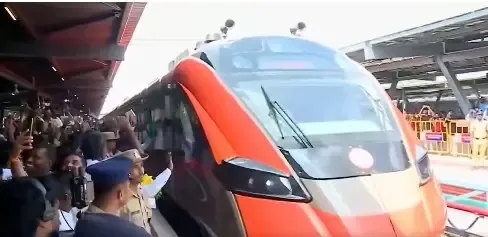
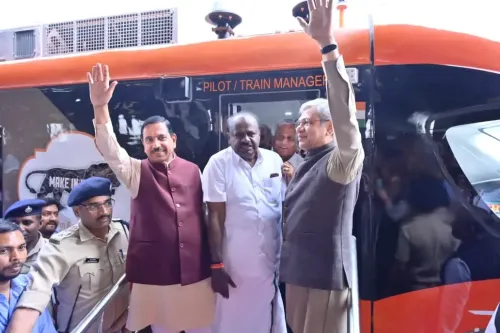
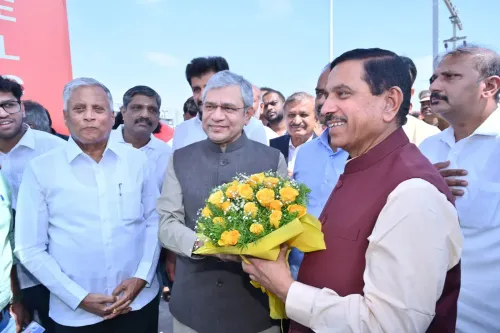
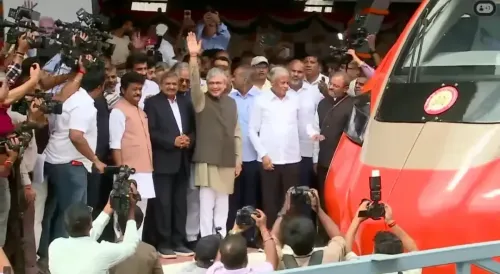
PM Modi flags Vande Bharat Sleeper launch for Bengaluru–Mumbai route
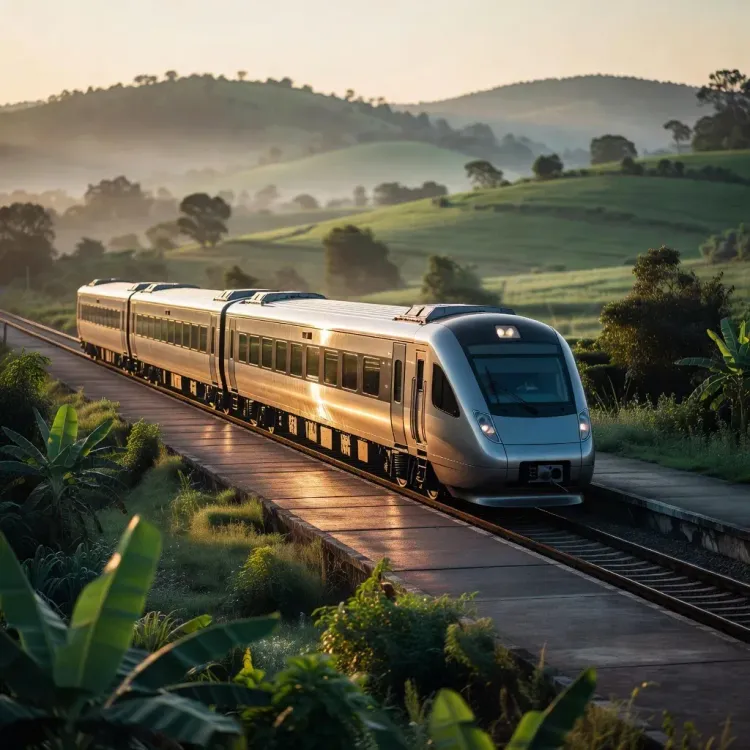
Synopsis
Prime Minister Narendra Modi announced on 1 November 2026 that the Vande Bharat Sleeper Train will connect Bengaluru and Mumbai, calling it a game changer for Karnataka and Andhra Pradesh and extending the flagship rail programme into overnight sleeper travel.
Key Takeaways
PM Modi announced the Vande Bharat Sleeper Train will serve the Bengaluru–Mumbai corridor on 1 November 2026 .
The sleeper variant is designed for overnight journeys with berths and modern amenities, unlike the existing chair-car Vande Bharat Express.
The original Vande Bharat Express launched in 2019 on the New Delhi–Varanasi route as an indigenously built semi-high-speed train.
Both Karnataka and Andhra Pradesh are named as beneficiary states, underlining the southern economic corridor focus.
Route finalisation, coach manufacturing timelines, and a formal inauguration date from the Ministry of Railways are yet to be announced.
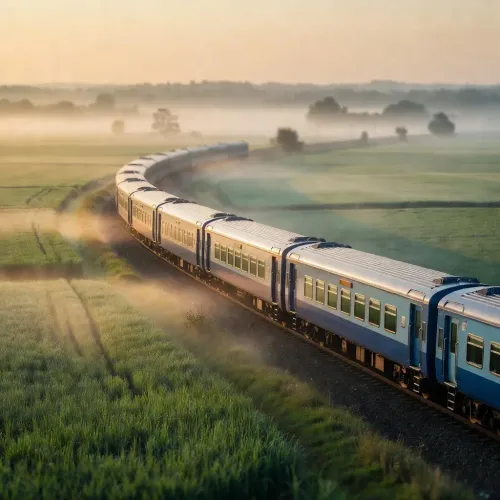
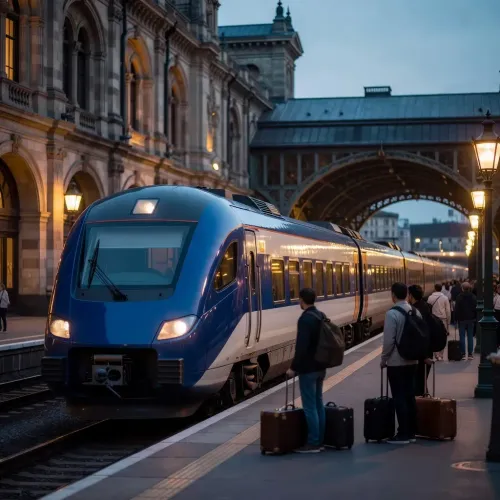
Bengaluru is about to get a faster, sleeper-class link to Mumbai — and Prime Minister Narendra Modi wants the country to know it is coming. On Sunday, 1 November 2026, Modi posted on X to announce that the Vande Bharat Sleeper Train will serve the Bengaluru–Mumbai corridor, calling it 'a game changer for connectivity' and signalling benefits for Karnataka, Andhra Pradesh, and beyond.
Overnight speed between India's tech capital and financial hub
The Bengaluru–Mumbai route connects two of India's most economically consequential cities: Bengaluru, the country's primary technology and aerospace hub, and Mumbai, its financial and commercial nerve centre. Millions of business travellers, students, and migrant workers make this journey regularly — currently a gruelling overnight haul on older rolling stock. A sleeper variant of the semi-high-speed Vande Bharat platform would mean air-conditioned berths, modern amenities, and faster end-to-end timings on one of India's busiest inter-city corridors.
Modi framed Bengaluru itself as part of the symbolism, describing it as 'the city of technology and innovation' — a nod to the aspiration that the train connecting it should match that identity.
From New Delhi–Varanasi to the southern corridor: Vande Bharat's expansion arc
The original Vande Bharat Express debuted in 2019 on the New Delhi–Varanasi route as a flagship of Indian Railways' push for indigenously developed semi-high-speed rolling stock. Since then, successive budgets have channelled dedicated funding into fleet expansion and track upgrades on high-density corridors across the country. The sleeper variant is the next logical step — designed specifically for overnight distances where passengers need berths rather than seats, filling a gap the chair-car Vande Bharat was never built for.
The Bengaluru–Mumbai route, threading through Karnataka and connecting to Andhra Pradesh's growing industrial belt, fits precisely into the pattern of linking major southern and western economic centres with faster, modern services. Exact route details, coach manufacturing timelines, and a formal inauguration date from the Ministry of Railways are still to be confirmed.
What Karnataka and Andhra Pradesh stand to gain
Modi's post, though cut off mid-sentence, makes clear that both Karnataka and Andhra Pradesh are positioned as direct beneficiaries — a politically and economically significant point. Karnataka's IT workforce regularly travels to Mumbai for finance and media sector business; Andhra Pradesh, with its expanding port and industrial infrastructure along the eastern seaboard, gains improved inter-state connectivity through this western corridor. For rail passengers in both states, the promise is the same: a cleaner, faster, more dignified overnight journey.
The Vande Bharat Sleeper is not yet at the station — but with a Prime Ministerial post pointing squarely at the Bengaluru–Mumbai line, the countdown has officially begun.
Point of View
High-mobility voter and traveller base in Karnataka. With Andhra Pradesh named as a co-beneficiary, the political geometry broadens further, signalling that the Centre's rail investment story is no longer a north-India narrative. The detail that matters most now is delivery: timelines for coach production and track readiness will determine whether this announcement becomes a headline or a footnote.
NationPress
1 Nov 2026
Frequently Asked Questions
What is the Vande Bharat Sleeper Train?
The Vande Bharat Sleeper Train is an overnight variant of the Vande Bharat Express semi-high-speed train, designed with berths for long-distance travel and improved passenger comfort, unlike the existing chair-car version.
Which route will the Vande Bharat Sleeper run on?
PM Modi announced it will connect Bengaluru and Mumbai, with Karnataka and Andhra Pradesh named as beneficiary states. The exact halts and route details are yet to be confirmed by Indian Railways.
When was the first Vande Bharat Express launched?
The first Vande Bharat Express was inaugurated in 2019 on the New Delhi–Varanasi route as part of Indian Railways' push for indigenously developed semi-high-speed rolling stock.
How is the Vande Bharat Sleeper different from the regular Vande Bharat Express?
The regular Vande Bharat Express has chair-car seating suited for day travel, while the Sleeper variant offers berths specifically designed for overnight long-distance journeys.
When will the Vande Bharat Sleeper between Bengaluru and Mumbai start?
No formal inauguration date has been announced yet. Route finalisation and coach manufacturing timelines from the Ministry of Railways are still awaited.