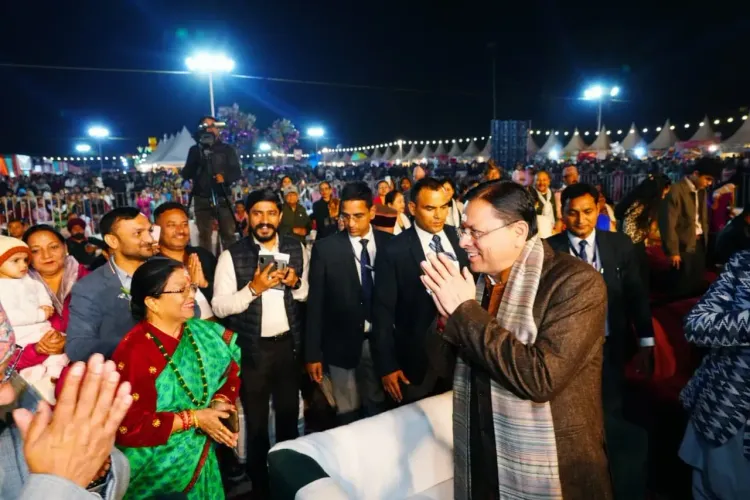
CM Dhami attends Gorkha Dashain-Diwali Mahotsav in Dehradun
Synopsis
Uttarakhand CM Pushkar Singh Dhami attended the Gorkha Dashain-Diwali Mahotsav and state fair in Dehradun on 1 November 2026, praising the community's traditions and reaffirming the government's commitment to preserving Devbhoomi's cultural heritage.
Key Takeaways
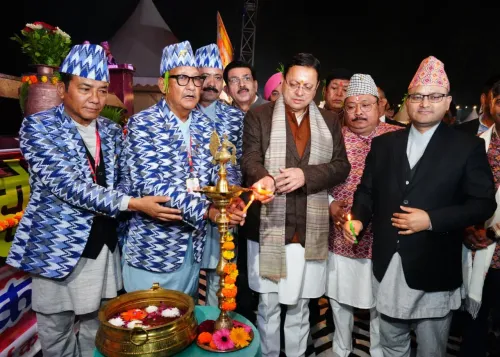
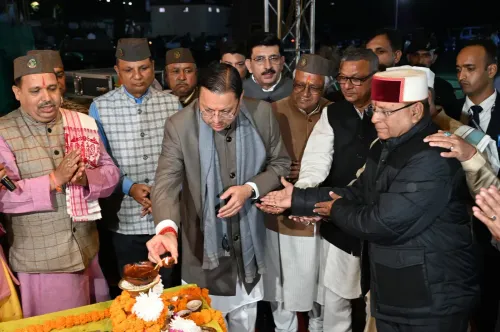
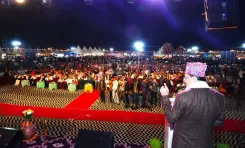
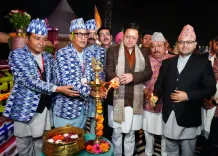
CM Pushkar Singh Dhami attended the Gorkha Dashain-Diwali Mahotsav evam Rajkiya Mela-2026 in Dehradun on 1 November 2026 .
Cabinet Minister Satpal Maharaj was also present at the event, reflecting official government participation.
The festival was organised by the Gorkha society and carries rajkiya mela (state fair) status, embedding community heritage in the state calendar.
Dhami said festivals preserve folk culture and strengthen unity, affection, and brotherhood in society.
The Chief Minister reaffirmed the Uttarakhand government's commitment to protecting and promoting Devbhoomi's culture, traditions, and heritage.
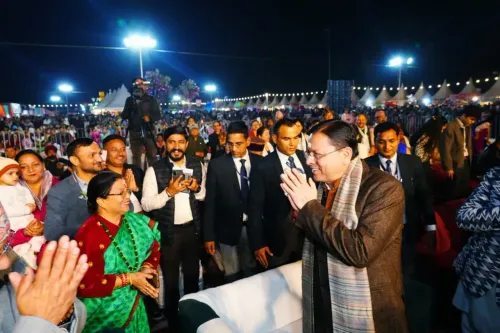
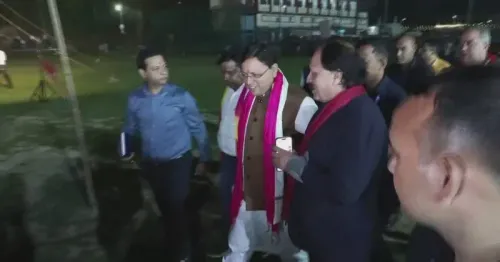
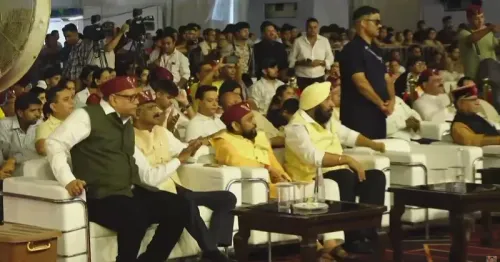
Drums, marigolds, and the warmth of a community in full celebration — Uttarakhand Chief Minister Pushkar Singh Dhami joined the Gorkha Dashain-Diwali Mahotsav evam Rajkiya Mela-2026 in Dehradun on Sunday, 1 November 2026, extending heartfelt festival greetings to the assembled crowd and expressing deep gratitude for the reception the Gorkha community gave him.
A traditional welcome that moved the Chief Minister
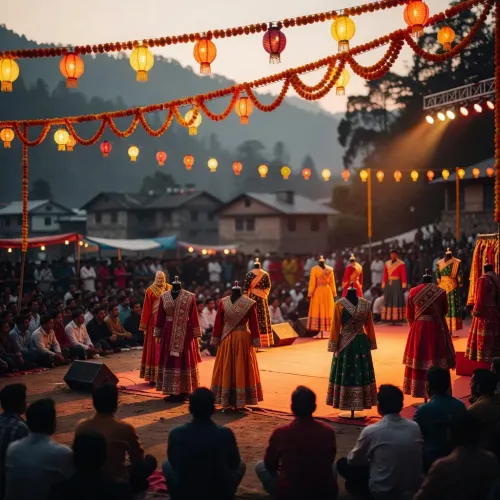
Dhami described the Gorkha community's welcome as overwhelming, saying the 'aatmiyata, paramparik riti-riwazon aur bhavyata' (warmth, traditional rituals, and grandeur) with which he was received left him deeply touched. The event, organised by the Gorkha society, brought together residents of Uttarakhand to celebrate the twin festivals of Dashain — the major Nepali-Hindu festival equivalent to Dussehra — and Diwali, threading two beloved traditions into a single state-recognised fair.
Cabinet Minister Satpal Maharaj was also present at the occasion, underlining the government's institutional backing for the celebration.
Devbhoomi's cultural pledge and the Gorkha identity
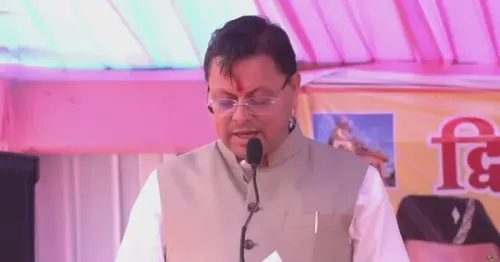
Speaking at the event, Dhami framed the significance of festivals beyond ritual: they preserve 'lokaskriti' (folk culture) and strengthen 'aapsi sneh, ekta aur bhaichaare' — mutual affection, unity, and brotherhood — within society. He reaffirmed that his government is committed to the conservation and promotion of Devbhoomi's culture, traditions, and heritage.
Uttarakhand, popularly known as Devbhoomi or the 'Land of the Gods', has a significant Gorkha population — descendants of Nepali-origin communities who have lived in the Garhwal and Kumaon hills for generations and contributed to the region's military, agricultural, and cultural fabric. Dashain is among the most important festivals for Gorkha households, involving family gatherings, ancestral worship, and the exchange of blessings across generations.
State leaders and ethnic festivals: a deliberate engagement
It is a well-established practice for Indian state governments to recognise and participate in the festivals of ethnic communities, and Uttarakhand is no exception. By granting the celebration rajkiya mela (state fair) status, the government formally embeds community heritage into the state's public calendar — a signal of recognition that carries weight for communities whose distinct cultural identity can sometimes feel overshadowed in a larger national conversation.
For the Gorkha community in Uttarakhand, that recognition is both symbolic and practical: it brings administrative support, public space, and visibility to traditions that might otherwise remain purely private observances. Dhami's presence, alongside a senior cabinet minister, reinforces that the current administration views cultural plurality as a governance priority.
As Diwali lights up Dehradun's skyline this week, the Gorkha Mahotsav adds another layer to the state's festival season — and the Chief Minister's attendance plants a marker that Devbhoomi's diverse heritage is a cause this government intends to champion loudly.
Point of View
The administration signals that ethnic and cultural plurality is not peripheral but central to its Devbhoomi identity politics. For a hill state where Gorkha voters represent a meaningful constituency in specific constituencies, visible institutional endorsement of community festivals is as much political outreach as cultural patronage. Whether the government follows through with dedicated heritage preservation schemes will determine if this symbolism translates into lasting policy.
NationPress
2 Nov 2026
Frequently Asked Questions
What is the Gorkha Dashain-Diwali Mahotsav in Dehradun?
It is an annual cultural festival and state fair organised by the Gorkha community in Dehradun, celebrating the twin festivals of Dashain and Diwali with traditional rituals, music, and community gatherings. In 2026 it was held as the 'Gorkha Dashain-Diwali Mahotsav evam Rajkiya Mela-2026'.
Why did CM Dhami attend the Gorkha Mahotsav?
Chief Minister Pushkar Singh Dhami attended to extend festival greetings to the Gorkha community, honour their traditions, and reaffirm the Uttarakhand government's commitment to preserving the cultural heritage of Devbhoomi.
What is Dashain and why is it important to the Gorkha community?
Dashain is the most important festival in the Nepali-Hindu tradition, equivalent to Dussehra, involving family gatherings, ancestral worship, and the exchange of blessings. For the Gorkha community in Uttarakhand, it is a central occasion for cultural identity and community bonding.
Who is Satpal Maharaj and what is his role in Uttarakhand?
Satpal Maharaj is a Cabinet Minister in the Uttarakhand government under Chief Minister Pushkar Singh Dhami. He was present alongside the Chief Minister at the Gorkha Dashain-Diwali Mahotsav in Dehradun on 1 November 2026.
What is Uttarakhand government's policy on cultural heritage?
The Uttarakhand government, under CM Dhami, has stated a commitment to the conservation and promotion of Devbhoomi's culture, traditions, and heritage, including granting state fair status to community celebrations such as the Gorkha Dashain-Diwali Mahotsav.