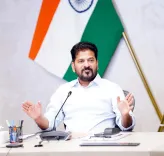
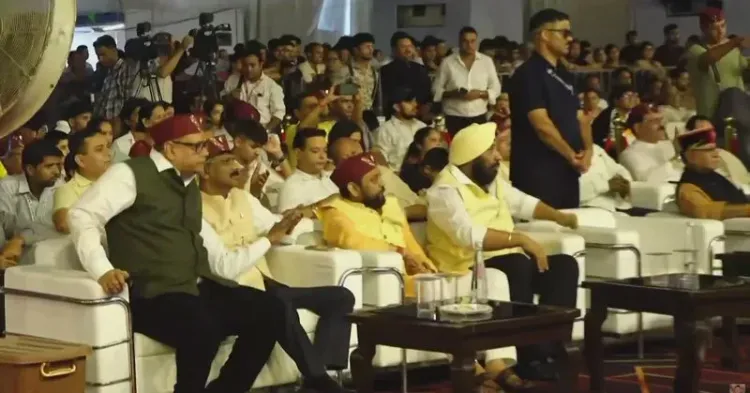
CM Dhami joins Harela Utsav at Lok Samvardhan Parv in Dehradun
Synopsis
Uttarakhand Chief Minister Pushkar Singh Dhami joined the 'Harela Utsav' at the Lok Samvardhan Parv in Dehradun on 16 July 2026, live-streaming the traditional Kumaoni-Garhwali monsoon festival that the state government has long linked to tree-plantation and cultural outreach drives.
Key Takeaways
CM Pushkar Singh Dhami participated in the Harela Utsav under the Lok Samvardhan Parv banner in Dehradun on 16 July 2026 .
Harela is a traditional Kumaoni and Garhwali festival marking monsoon onset, centred on tree-plantation and folk rituals.
The Uttarakhand government has organised annual Harela programmes since at least 2016 , linking them to state-led plantation drives.
The event was broadcast live on CM Dhami's official social media, extending its reach to urban and digital audiences.
Key stakeholders include hill communities , folk artists, and students across the state.
Future budget allocations for cultural and forest departments will indicate how formally Harela is embedded in state policy.
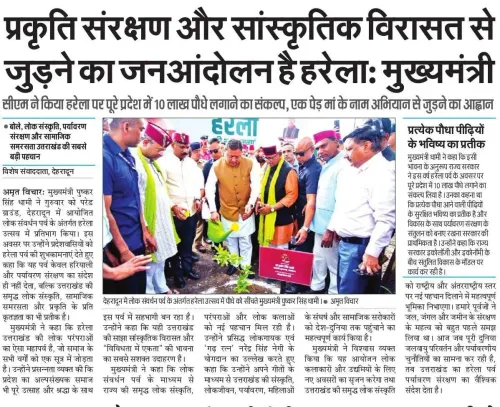
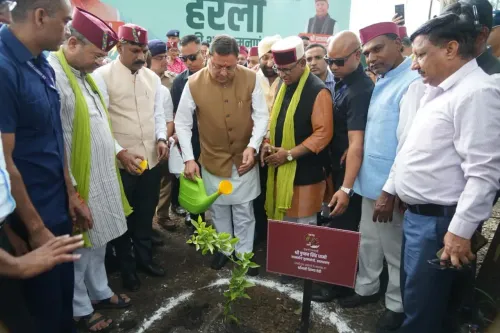
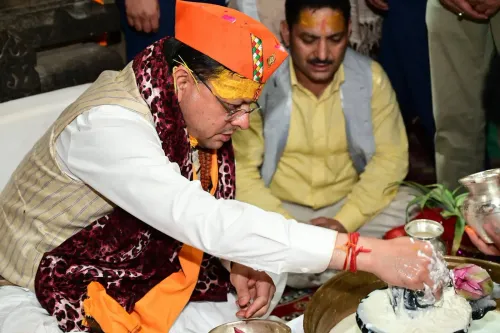
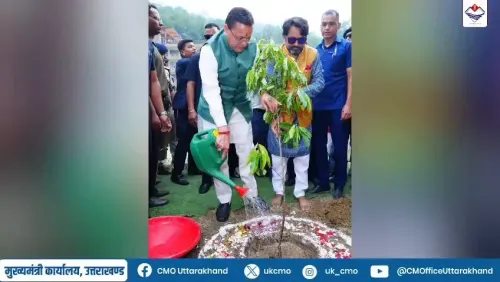
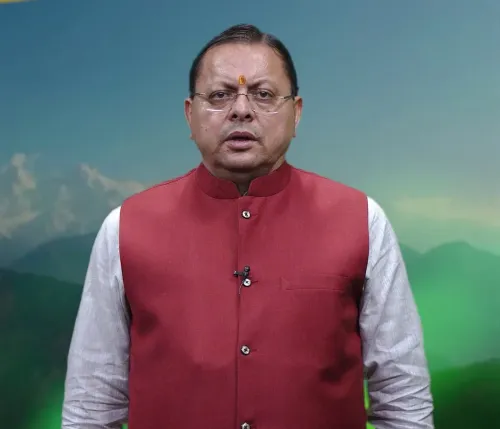
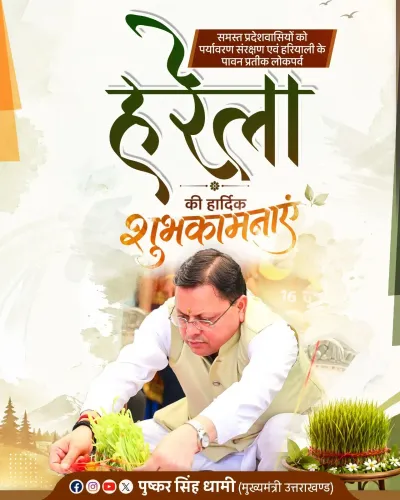
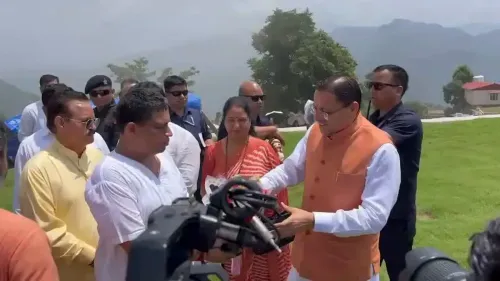
Uttarakhand Chief Minister Pushkar Singh Dhami participated in the 'Harela Utsav' programme organised as part of the Lok Samvardhan Parv in Dehradun on Thursday, 16 July 2026, with the event broadcast live on his official social media handle.
Context
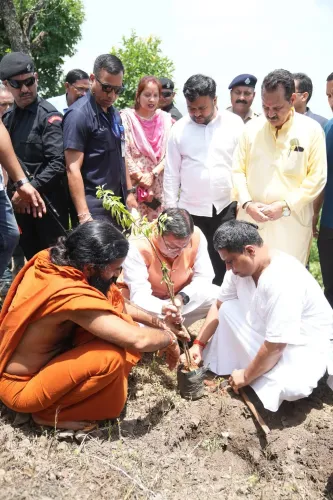
Harela is one of the most significant folk festivals of the Kumaon and Garhwal regions of Uttarakhand, traditionally observed to mark the onset of the monsoon season. The festival is rooted in agrarian culture, celebrating the sowing of seeds and the promise of a good harvest, with tree-plantation drives and folk rituals forming its ceremonial core. CM Dhami shared the event as a live broadcast, framing it under the banner of Lok Samvardhan Parv — a 'festival of people's enrichment' — signalling the state government's intent to give the occasion an official, public-facing character.
Policy Backdrop
The Uttarakhand government has organised annual Harela programmes since at least 2016, deliberately linking traditional ritual observance with state-led tree-plantation initiatives. This approach aligns the festival calendar with the broader Van Mahotsav plantation drive, allowing the administration to reinforce environmental messaging through cultural participation rather than purely administrative directives. Dehradun, as the state capital, regularly serves as the primary venue for such flagship cultural programmes organised by the state government.
Stakeholders and Impact
The event directly engages hill communities, folk artists, and students — constituencies for whom Harela carries deep cultural resonance. By staging the celebration at the capital level and live-streaming it, the administration extends the festival's reach beyond its traditional geographic heartland in the hills to a wider urban and digital audience. Across the Himalayan region, state governments have increasingly used such intangible heritage events to simultaneously advance eco-tourism promotion and cultural continuity goals.
What's Next
Observers will watch whether the Lok Samvardhan Parv framework is formalised as a recurring annual umbrella for multiple cultural festivals, and whether Harela is formally integrated into the state's plantation calendar with measurable targets. Upcoming state budget allocations for the cultural and forest departments will indicate how institutionalised this convergence of tradition and policy becomes. Any scheme announcements tied to the 2026 edition of the event would further signal the government's intent to move beyond symbolic observance toward programmatic commitment.
Point of View
The administration reinforces its cultural credentials ahead of any electoral cycle. The convergence of ritual, plantation, and digital outreach mirrors a wider pattern among Himalayan state governments of using intangible heritage to pursue sustainable development optics. Whether this translates into measurable policy outcomes — plantation targets, cultural department funding — remains the test that will distinguish symbolic participation from substantive commitment.
NationPress
15 Oct 2026
Frequently Asked Questions
What is Harela festival in Uttarakhand?
Harela is a traditional folk festival of the Kumaon and Garhwal regions of Uttarakhand, celebrated to mark the onset of the monsoon season. It involves the sowing of seeds, tree-plantation rituals, and folk ceremonies symbolising agricultural prosperity and environmental well-being.
What is Lok Samvardhan Parv?
Lok Samvardhan Parv translates broadly as a 'festival of people's enrichment' and is an umbrella cultural programme under which the Uttarakhand government organised the Harela Utsav in Dehradun on 16 July 2026.
Did CM Pushkar Singh Dhami attend Harela Utsav 2026?
Yes, Uttarakhand Chief Minister Pushkar Singh Dhami participated in the Harela Utsav organised as part of the Lok Samvardhan Parv in Dehradun on 16 July 2026, and shared a live broadcast of the event on his official social media handle.
How does the Uttarakhand government use Harela for tree plantation?
Since at least 2016, the Uttarakhand government has linked the annual Harela festival to state-led tree-plantation drives, aligning the traditional ritual calendar with the Van Mahotsav plantation programme to reinforce environmental messaging through cultural participation.
Where is Harela festival celebrated?
Harela is primarily celebrated in the Kumaon and Garhwal divisions of Uttarakhand. The state government holds flagship events in Dehradun, the state capital, to give the festival an official, wider public profile.