Gujarat health dept on alert amid red alerts, heavy rain in 7+ districts
Synopsis
With red alerts blanketing Saurashtra and south Gujarat, Health Minister Praful Pansheriya has pre-positioned medicines in every 108 ambulance statewide and put doctors on round-the-clock standby — a rare get-ahead-of-the-curve move that signals the government is treating this monsoon season as a public health risk, not just a weather event.
Key Takeaways
Gujarat Health Minister Praful Pansheriya chaired an emergency preparedness review on 7 July in Gandhinagar .
Red alerts have been issued for districts including Surat , Navsari , Valsad , Amreli's Rajula taluka , and parts of Saurashtra .
All 108 ambulances statewide have been stocked with medicines for water-borne diseases and animal or insect bites.
Shortfalls can be replenished immediately from the nearest PHC or CHC under contingency arrangements.
Doctors and paramedical staff have been placed on round-the-clock standby at all health centres in red-alert zones.
The minister said there is currently no serious health emergency in Gujarat; the review was precautionary.
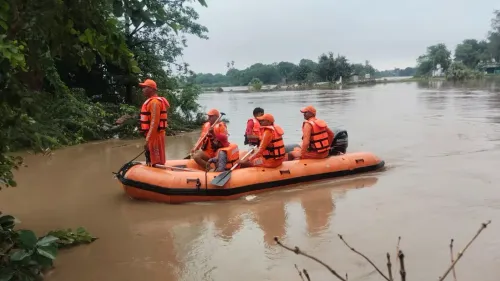
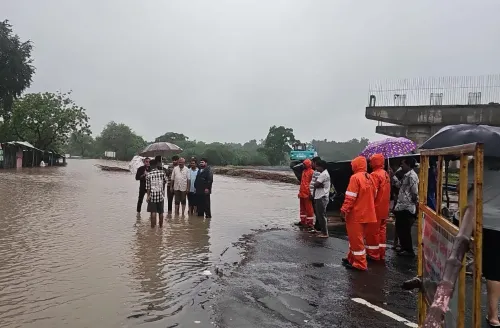
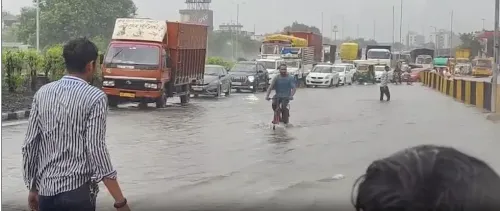
The Gujarat government on Tuesday, 7 July placed its Health Department on full alert and conducted a sweeping emergency preparedness review as heavy monsoon rainfall and red alerts swept across several districts, including parts of Saurashtra, south Gujarat, and specific talukas such as Amreli's Rajula. The review was aimed at ensuring uninterrupted medical services and adequate medicine stocks across all vulnerable areas before conditions deteriorate further.
High-Level Review Meeting
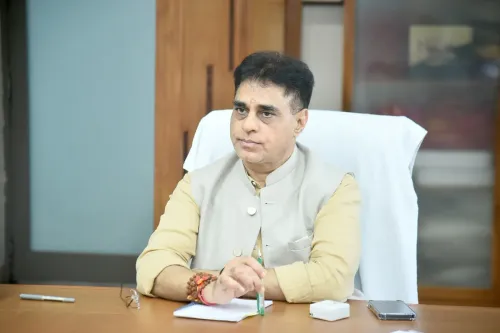
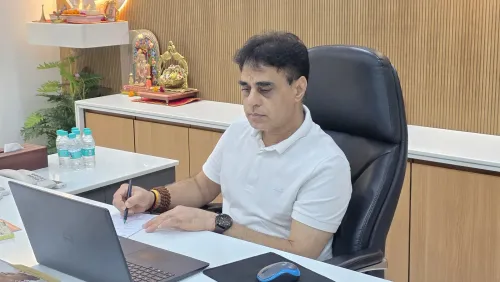
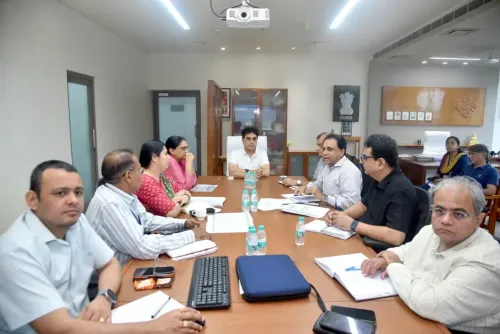
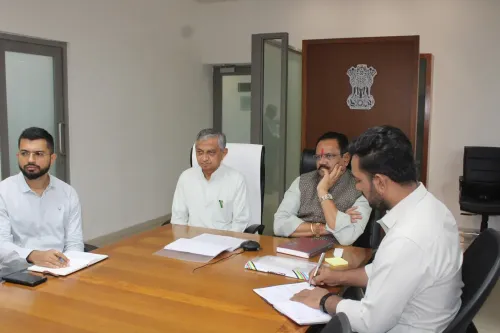
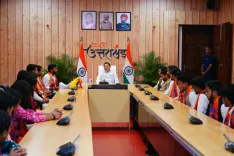
State Health Minister Praful Pansheriya chaired the review meeting in Gandhinagar, convening senior Health Department officials to assess district-wise readiness — covering medicine availability, staffing levels, and the operational status of healthcare facilities. Pansheriya described the exercise as a precautionary measure rather than a response to an active emergency, stressing that there is currently no alarming health situation anywhere in the state.
'Today's meeting was convened as a precautionary measure to assess the situation in every district and ensure the safety of citizens. Clear instructions have been issued to immediately address any shortcomings in the healthcare system wherever they are identified,' he said.
Medicine Stocks and Ambulance Readiness
Pansheriya confirmed that all necessary medicines have been pre-positioned in every 108 ambulance across Gujarat to handle the seasonal surge in water-borne diseases and cases of poisonous insect and animal bites — conditions that typically spike during the monsoon. Contingency supply chains have also been activated: if stocks run short in any area, replenishment can be drawn immediately from the nearest Primary Health Centre (PHC) or Community Health Centre (CHC).
'During the rainy season, cases of water-borne diseases and poisonous insect or animal bites tend to increase. Keeping this in mind, all necessary medicines have been stocked in every 108 ambulance service across the state,' Pansheriya said.
Red-Alert Districts Under Special Watch
Special instructions have been issued to health machinery in districts placed under red alert. These include Amreli's Rajula taluka and the broader Saurashtra region, as well as Surat, Navsari, Valsad, and neighbouring districts in south Gujarat. Round-the-clock deployment of doctors and paramedical staff at all health centres in these zones has been mandated.
This comes amid widespread monsoon activity across Gujarat, with authorities maintaining heightened vigilance in areas forecast to receive further intense rainfall. The Health Department confirmed that medical infrastructure, emergency ambulance services, and district health teams have been placed on standby to respond to any rain-related public health emergencies.
Broader Context
Gujarat's monsoon health preparedness exercises have become a near-annual ritual, reflecting the state's recurring vulnerability to flooding and the public health fallout — particularly leptospirosis, cholera, and snake-bite cases — that follows prolonged inundation. Notably, the early activation of the review mechanism this season signals that authorities are attempting to get ahead of the curve rather than react after outbreaks emerge. As rainfall intensity is forecast to remain elevated over the coming days, the Health Department's ability to maintain supply chains and staff deployment in flood-prone talukas will be the critical test.
Point of View
Particularly in Saurashtra's interior talukas, has historically struggled with medicine stockouts and staff absenteeism during prolonged flood events. The real accountability test will come if rainfall intensifies over the next 72 hours: whether district health officers can actually execute same-day replenishment from CHCs, or whether the contingency plan stays on paper. Pansheriya's public assurance of 'no alarming situation' is also worth tracking — it manages panic, but it must not become a reason to lower operational tempo.
NationPress
6 Oct 2026
Frequently Asked Questions
Why has Gujarat put its Health Department on alert in July 2025?
The Gujarat government activated its Health Department on 7 July 2025 after heavy monsoon rainfall and red alerts were issued for multiple districts, including Surat, Navsari, Valsad, Amreli's Rajula taluka, and parts of Saurashtra. The move is precautionary, aimed at preventing medicine shortages and ensuring round-the-clock medical staffing before conditions worsen.
Which districts in Gujarat are under red alert?
Red alerts have been issued for Amreli's Rajula taluka, the broader Saurashtra region, and south Gujarat districts including Surat, Navsari, and Valsad, according to Health Minister Praful Pansheriya. Special health instructions have been issued specifically to these zones.
What health risks increase during Gujarat's monsoon season?
Water-borne diseases and cases of poisonous insect or animal bites — including snakebites and leptospirosis — typically rise sharply during the monsoon, according to the Health Department. Medicines for these conditions have been pre-stocked in all 108 ambulances statewide.
What happens if medicines run short in a flood-affected area?
Under the contingency arrangement announced by Pansheriya, any area facing a medicine shortage can obtain immediate supplies from the nearest Primary Health Centre (PHC) or Community Health Centre (CHC). The government says this supply chain has been specifically activated for the current monsoon period.
Is there currently a health emergency in Gujarat?
No. Health Minister Praful Pansheriya stated that there is no serious health emergency or alarming situation anywhere in Gujarat as of 7 July. The review meeting was described as a precautionary exercise to ensure readiness before any deterioration in weather conditions.