Seven dams on high alert as Gujarat reviews Saurashtra flood situation
Synopsis
Seven dams across Saurashtra's Amreli, Rajkot, and Bhavnagar districts are on high alert or at warning levels as Gujarat's monsoon intensifies. With over 700 people already rescued or evacuated, the state has activated NDRF teams, 859 Aapda Mitras, and nearly 1,000 shelters — all under a declared zero-casualty approach.
Key Takeaways
Seven dams across Amreli , Bhavnagar , and Rajkot districts are on high alert or at warning levels as of 7 July .
Dhatarwadi , Surajwadi , Malan , and Shetrunji dams have reached full capacity and are on high alert.
76 people rescued and 641 shifted to safer locations in Amreli alone this season.
Amreli has recorded 12 inches of rainfall — over 42% of its annual average — in the current monsoon season.
Two NDRF teams deployed in Amreli, one each in Bhavnagar and Rajkot; 859 Aapda Mitras on standby in Bhavnagar.
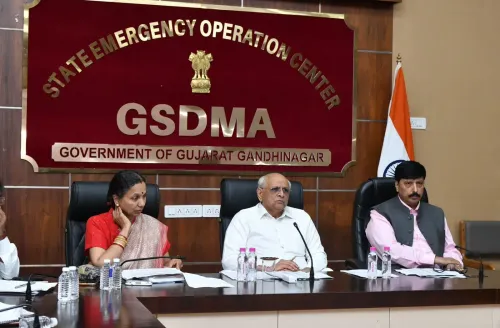
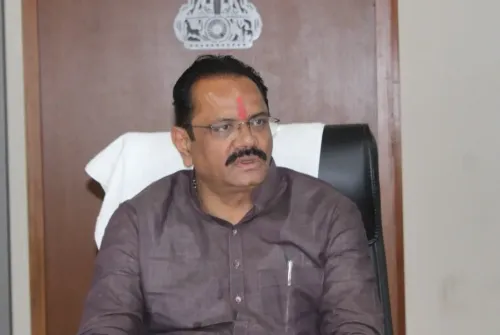
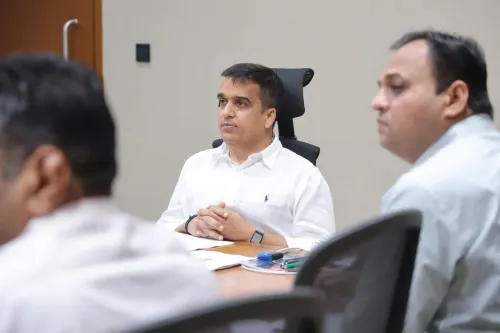
Minister-in-charge Jitu Vaghani chaired a high-level virtual review from Gandhinagar , directing a zero-casualty approach.
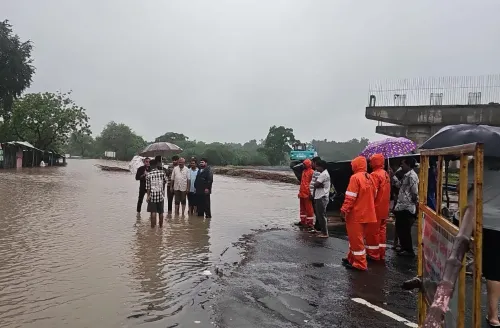
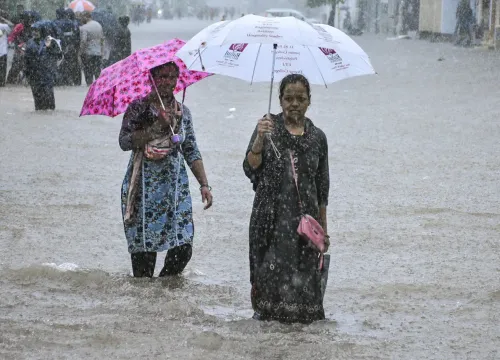
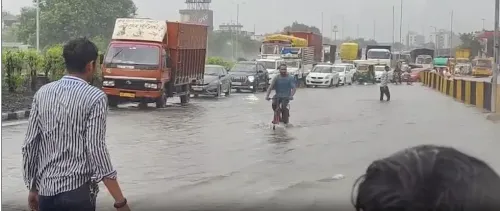
The Gujarat government has significantly ramped up its disaster preparedness across Saurashtra following heavy monsoon rainfall, with a high-level virtual review convened on Tuesday, 7 July for the districts of Amreli, Rajkot, and Bhavnagar. Seven dams across the three districts are currently on high alert or at warning levels, and rescue operations are actively under way.
High-Level Review from Gandhinagar
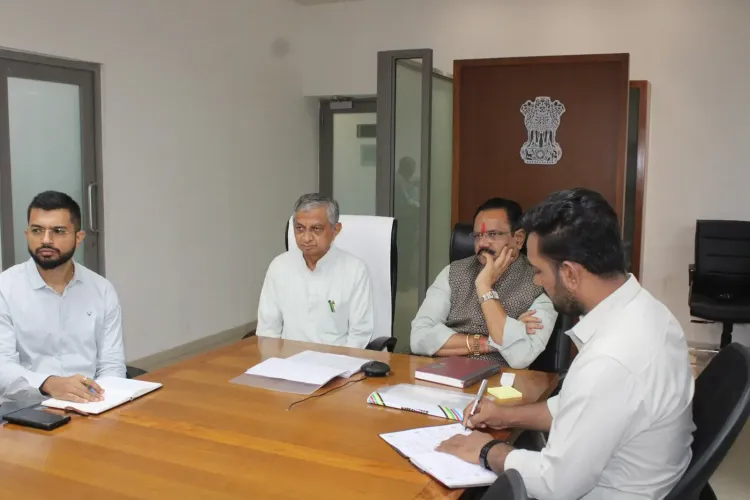
Amreli and Rajkot district minister-in-charge Jitu Vaghani chaired the virtual meeting from Gandhinagar, receiving live updates from district Collectors on vulnerable low-lying areas, river flows, and reservoir inflows. The meeting was also attended by Minister Kunvarji Bavaliya, Bhavnagar minister-in-charge Kaushik Vekariya, Members of Parliament, Members of the Legislative Assembly, and senior officials including Collectors, District Development Officers, Municipal Commissioners, and disaster management personnel.
Vaghani directed state agencies — including the Paschim Gujarat Vij Company Limited (PGVCL), the Water Supply and Irrigation Department, and the Roads and Buildings Department — to remain on standby for any disruption to electricity, water supply, or road connectivity. He also ordered fresh inspections of dangerous buildings and hoardings, with instructions to remove any structures posing a public safety risk.
Dam Status Across Three Districts
In Amreli, Dhatarwadi and Surajwadi dams have reached full capacity and are on high alert. Khodiyar Dam stands at 96 per cent capacity and Raydi Dam at 95 per cent. Dhatarwadi-2 Dam, at 89 per cent, remains on alert, while Shel-Dedumal Dam, at 78 per cent, has been placed at the warning level.
In Bhavnagar, Malan and Shetrunji dams are both full and on high alert. Rozki Dam is at 98 per cent and Ranghola Dam at 96 per cent. In Rajkot, Venu-2 Dam at 76 per cent and Aji-2 Dam at 73 per cent have been placed at the warning level.
Rescue Operations and Rainfall Data
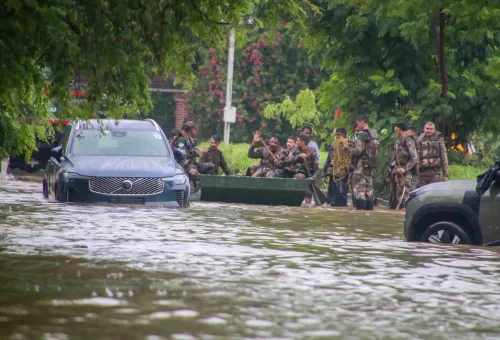
Amreli district has recorded around 12 inches of rainfall this monsoon season — more than 42 per cent of its average annual total — with over two inches falling in the previous 24 hours alone. Two National Disaster Response Force (NDRF) teams are deployed there. Authorities report that 76 people have been rescued and 641 shifted to safer locations so far this season. Of 25 state roads closed due to heavy rain, 19 have since been reopened.
Bhavnagar has received around eight inches of rainfall — more than 30 per cent of its annual average — including over three inches in the last 24 hours. One NDRF team is stationed there, with 982 designated shelters and 859 trained 'Aapda Mitras' available for rescue and relief. Notably, eight residents of Ahmedabad whose car was swept away by the swollen Malan River near Otha village in Mahuva taluka were rescued safely.
Rajkot district has recorded more than five inches of rainfall this season, exceeding 18 per cent of its annual average. One NDRF team and one State Disaster Response Force (SDRF) team are deployed. A Deputy Collector-level liaison officer has been appointed in every taluka to strengthen emergency coordination.
Health Preparedness and Public Safety Measures
Health authorities have been directed to maintain adequate stocks of chlorine tablets and oral rehydration solution (ORS). Rapid Response Teams have been activated at the taluka level across all three districts to prevent water-borne disease outbreaks. District Collectors were specifically instructed to ensure special care for pregnant women and children, and to move residents to equipped shelters where necessary.
Government's Commitment
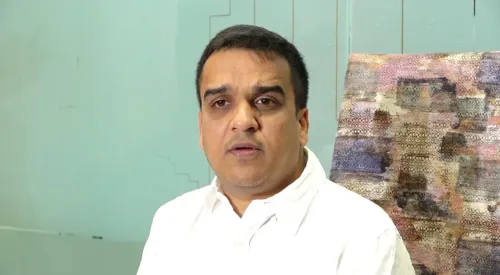
Vaghani stated that the state government, under Chief Minister Bhupendra Patel, remains committed to public safety. 'The state government is committed to the safety of citizens. All departments of the administration are working in coordination. With a zero-casualty approach, the administration is fully prepared to deal with any situation,' he said, urging residents to follow official advisories. With monsoon intensity expected to continue across Saurashtra, authorities say round-the-clock monitoring of dam levels and low-lying areas will remain in place.
Point of View
But the real test is whether the zero-casualty target holds as dam levels near capacity across multiple districts simultaneously. The fact that Dhatarwadi, Surajwadi, Malan, and Shetrunji are already full — with Khodiyar, Rozki, and Ranghola all above 95 per cent — leaves almost no buffer if rainfall intensity surges. Saurashtra's topography makes flash flooding a rapid-onset risk, and the deployment of NDRF teams and Aapda Mitras is necessary but not sufficient if downstream communities are not pre-emptively moved. The administration's coordination framework looks sound on paper; the question is whether taluka-level execution matches the Gandhinagar-level review.
NationPress
6 Oct 2026
Frequently Asked Questions
Which dams in Saurashtra are on high alert as of 7 July 2025?
Four dams — Dhatarwadi, Surajwadi, Malan, and Shetrunji — have reached full capacity and are on high alert. Khodiyar (96%), Rozki (98%), and Ranghola (96%) are also critically high, while Dhatarwadi-2, Shel-Dedumal, Venu-2, and Aji-2 are at alert or warning levels.
How many people have been rescued or evacuated in Saurashtra so far?
In Amreli district alone, 76 people have been rescued and 641 shifted to safer locations this monsoon season. Eight Ahmedabad residents whose car was swept away by the Malan River in Bhavnagar's Mahuva taluka were also rescued safely.
Which districts are covered under Gujarat's flood review on 7 July?
The high-level review chaired by minister-in-charge Jitu Vaghani covered Amreli, Rajkot, and Bhavnagar districts in the Saurashtra region. NDRF teams and SDRF teams have been deployed across all three districts.
What health measures has the Gujarat government put in place?
Health authorities have been directed to stock chlorine tablets and oral rehydration solution (ORS) to prevent water-borne diseases. Rapid Response Teams have been activated at the taluka level across all three districts, and special provisions are in place for pregnant women and children.
What is the rainfall situation in Amreli, Bhavnagar, and Rajkot this monsoon?
Amreli has received around 12 inches — over 42% of its annual average — with more than two inches in the last 24 hours. Bhavnagar has recorded about eight inches (over 30% of annual average), including three inches in 24 hours. Rajkot has seen more than five inches, exceeding 18% of its annual average.