Gujarat Rent Bill 2026: AG Trivedi says govt 'favourably considering' lawyers' concerns
Synopsis
The Gujarat government's Advocate General has signalled the state may revise or roll back the Rent Bill 2026 rather than push it through — a rare retreat in the face of a statewide lawyers' boycott. The core flashpoint is whether rent disputes belong in courts or with revenue authorities, and the answer could reshape tenancy law for millions of landlords and tenants across Gujarat.
Key Takeaways
Advocate General Kamal Trivedi confirmed on 6 October 2026 that the Gujarat government is 'favourably considering' lawyers' concerns on the Gujarat Rent Bill, 2026 .
A meeting with Deputy Chief Minister Harsh Sanghavi and Bar Council of Gujarat (BCG) members was held on Sunday; a further ministerial meeting was due on Tuesday .
The Gujarat Rent Bill, 2026 was passed by the state Assembly on 11 September 2026 , replacing a 1947 tenancy law.
Lawyers object to shifting rent disputes from Small Causes Courts to designated administrative/revenue authorities.
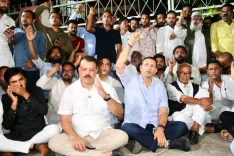
The Gujarat High Court Advocates' Association announced a two-day boycott on 5–6 October ; courts were disrupted on Monday.
Trivedi indicated the government may revert to a revised version of the old law rather than proceed with the new framework.
Gujarat Advocate General Kamal Trivedi confirmed on Tuesday, 6 October 2026, that the state government is actively considering suggestions from the legal fraternity on the Gujarat Rent Bill, 2026, and is exploring possible amendments before deciding on the next course of action. The clarification comes amid a statewide lawyers' boycott that disrupted proceedings at the Gujarat High Court and subordinate courts on Monday.
What the Advocate General Said
Trivedi stated that the government is 'favourably considering to see that the anxiety of the lawyers' fraternity is taken care of.' He indicated that the administration was weighing suggestions from lawyers before taking any step, including possible changes to the legislation. Crucially, he clarified that remarks he made before the Gujarat High Court — to the effect that the Bill would not proceed in its present form — should not be read as a formal government commitment that the Governor would not sign it.
Trivedi explained that those remarks arose from a general conversation after the court sought to understand why lawyers were on strike, and were not formally recorded by the court as a government statement.
Key Meeting With Deputy CM Sanghavi
According to Trivedi, a meeting was held on Sunday in the presence of Deputy Chief Minister Harsh Sanghavi and members of the Bar Council of Gujarat (BCG). Members reportedly agreed that the state government is open to considering their concerns. A further meeting with ministers and officials was scheduled for Tuesday.
Trivedi said that all members present at the 4 October meeting had agreed to await the government's response. He also disclosed that he personally requested Senior Advocate Yatin Oza, President of the Gujarat High Court Advocates' Association, not to proceed with the boycott — a request that was ultimately not heeded. 'That is unfortunate. My only way of telling was that the strike should not have been there,' Trivedi said.
Core Dispute: Judicial vs Administrative Jurisdiction
The Gujarat Rent Bill, 2026, passed by the state Legislative Assembly on 11 September 2026, seeks to replace the Gujarat Rents, Hotel and Lodging House Rates Control Act, 1947. Under the proposed framework, rent-related disputes would shift from the existing Small Causes Court mechanism to designated rent authorities and rent courts, with appeals heard by Rent Tribunals led by District Judges or Additional District Judges.
Lawyers' principal objection centres on this transfer of adjudicatory power. 'Their basic issues are that we don't want to go before the revenue authorities,' Trivedi said, summarising the fraternity's position. The BCG has argued that matters involving evidence and judicial determination should remain within the court system, and that the change would adversely affect lawyers, litigants, and the public at large.
Possible Way Forward
Trivedi signalled that the government has not closed the door on a substantive rethink. 'The government can think of coming out with an old law with some more improvements,' he said, suggesting a possible reversion to a revised version of the existing framework rather than the wholesale replacement envisaged by the new Bill.
The Gujarat High Court Advocates' Association announced a two-day boycott on 5 and 6 October, following earlier protests by several bar associations across the state. The standoff marks a rare and sustained confrontation between the legal community and the Bharatiya Janata Party (BJP)-led Gujarat government over the scope of judicial jurisdiction in tenancy matters.
What Happens Next
All eyes are on the follow-up ministerial meeting slated for Tuesday and whether it produces a concrete offer — such as a formal amendment restoring Small Causes Court jurisdiction — that can bring lawyers back to work. Until a formal commitment is tabled, the boycott threat remains live, and court functioning in the state stays disrupted.
Point of View
Buying time without conceding ground. The real test is whether Tuesday's ministerial meeting produces a concrete amendment offer or another round of reassurances. Lawyers are right to press the substantive point: transferring adjudicatory power over evidence-intensive landlord-tenant disputes to revenue officers is a structural dilution of judicial oversight, not merely a procedural inconvenience. If the government genuinely reverts to a court-based framework with improvements, it would signal that organised professional lobbying still carries weight in BJP-governed Gujarat — a notable precedent as other states watch similar tenancy law reforms.
NationPress
7 Oct 2026
Frequently Asked Questions
What is the Gujarat Rent Bill, 2026?
The Gujarat Rent Bill, 2026 is a state legislation passed by the Gujarat Legislative Assembly on 11 September 2026, aimed at replacing the Gujarat Rents, Hotel and Lodging House Rates Control Act, 1947. It proposes to shift the resolution of landlord-tenant disputes from Small Causes Courts to designated rent authorities and rent courts, with appeals before Rent Tribunals led by District Judges or Additional District Judges.
Why are Gujarat lawyers on strike against the Rent Bill?
Lawyers are protesting the Bill's proposal to transfer adjudicatory powers over rent disputes from courts to revenue and administrative authorities. The Bar Council of Gujarat argues that matters involving evidence and judicial determination should remain within the court system, and that the shift would harm lawyers, litigants, and the general public.
What did Advocate General Kamal Trivedi say about the Bill?
Trivedi confirmed that the government is 'favourably considering' the legal fraternity's concerns and is open to amendments, including possibly reverting to a revised version of the older law. He clarified that his earlier remarks before the Gujarat High Court — suggesting the Bill would not proceed in its present form — were not a formal government commitment that the Governor would not sign it.
Who attended the Sunday meeting on the Rent Bill dispute?
The Sunday meeting was held in the presence of Deputy Chief Minister Harsh Sanghavi and members of the Bar Council of Gujarat. Members agreed that the government is open to considering their concerns, and a further meeting with ministers and officials was scheduled for Tuesday, 6 October 2026.
What is the current impact of the lawyers' boycott on Gujarat courts?
The statewide boycott, called by the Bar Council of Gujarat, disrupted proceedings at the Gujarat High Court and other courts on Monday, 5 October 2026. The Gujarat High Court Advocates' Association separately announced a two-day boycott on 5 and 6 October. The disruption is expected to continue until a formal resolution or amendment is offered by the government.