Gujarat DGP reviews citizen grievance system, eyes district-level redressal
Synopsis
Gujarat's top cop made a surprise visit to the state's citizen grievance centres and found a familiar problem: too many people travelling too far for relief that should be available at home. DGP G.S. Malik's push to decentralise complaint redressal to the district level is a direct challenge to a centralised system that has long burdened ordinary citizens.
Key Takeaways
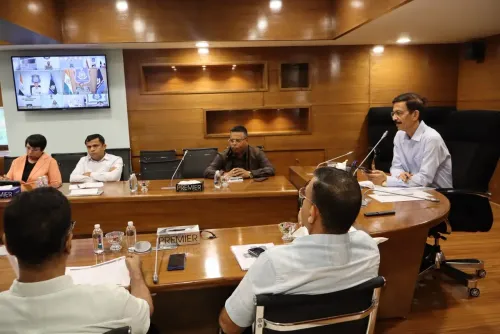
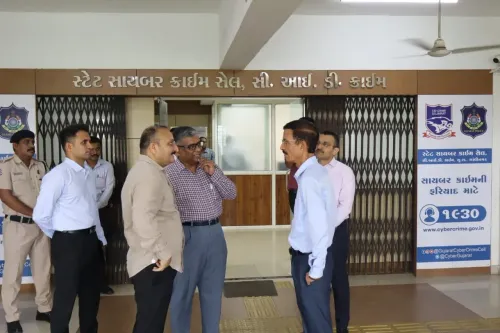
Malik conducted a surprise review of the Home Department's Public Relations Centre and Public Relations Office at Police Bhavan, Gandhinagar .
The review assessed complaint types, citizen challenges, and districts sending the highest number of representations to Gandhinagar.
Malik announced plans to build a stronger district-level grievance redressal mechanism so citizens need not travel to the state capital.
Representations received in Gandhinagar are currently forwarded immediately to concerned district authorities or police units.
The Public Relations Office serves as a key interface between the police and the public, and its citizen-centric model is set to be expanded statewide.
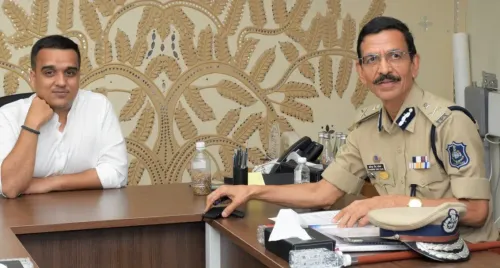
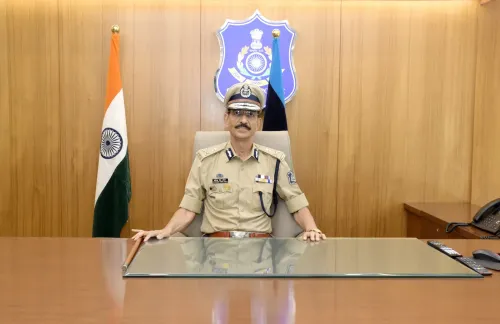
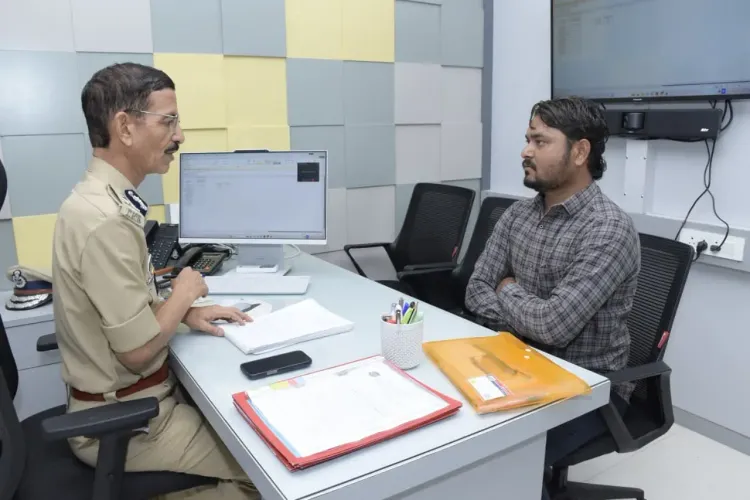
Gujarat Director General of Police (DGP) G.S. Malik on Tuesday said the state government is actively working to ensure that citizens' complaints are resolved at the district level, eliminating the need for people to travel to Gandhinagar for redressal. The announcement came during a surprise inspection of the Home Department's Public Relations Centre and the Public Relations Office at Police Bhavan, Gandhinagar.
What the Review Covered
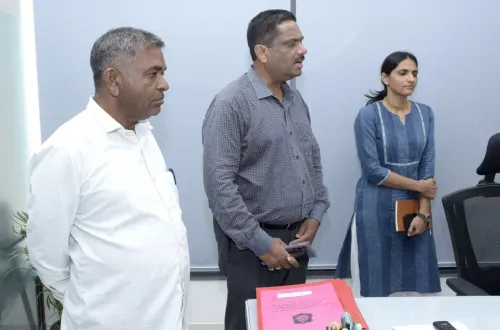
During the unannounced visit, DGP Malik assessed the nature of complaints being received at the Gandhinagar centres, the challenges faced by applicants, and the districts from which the highest volume of representations originate. He also held direct, face-to-face discussions with citizens present at the facility to gather first-hand feedback on the grievance redressal process.
'We have undertaken a detailed review of the kinds of issues citizens bring to the Gandhinagar centre, their major concerns and the districts from which a large number of applicants come,' Malik said. 'The objective is to establish a system under which citizens from such districts can receive justice and resolution at the local level itself.'
What the Government Plans to Do
The Home Department is developing a more effective mechanism to spare citizens from undertaking long journeys to the state capital for routine or significant grievances. 'Arrangements are being made so that ordinary citizens do not have to travel all the way to Gandhinagar for the resolution of their problems and can receive satisfactory redressal at the district level itself,' Malik said.
He noted that representations currently received in Gandhinagar are immediately forwarded to the concerned district authorities or relevant police units. The police administration, he added, has already put in place a system to ensure prompt, transparent, and fair disposal of complaints.
Role of the Public Relations Office
Officials described the Public Relations Office as more than a complaint-receiving window — it functions as a critical interface between the police and the public. The citizen-centric approach currently in place at the state level is expected to be replicated and strengthened across all districts as part of a broader push to make the police system more accessible, responsive, and accountable.
Why This Matters
Centralised grievance systems often place a disproportionate burden on citizens from remote districts, who must bear travel costs and time loss to seek basic redressal. By identifying high-volume originating districts and decentralising the response mechanism, the Gujarat Police aims to reduce that friction. Notably, this initiative reflects a wider national conversation about last-mile governance and police accountability at the grassroots level. How quickly the district-level infrastructure is strengthened will determine whether the intent translates into measurable relief for citizens.
Point of View
But the harder question is structural: why are citizens from multiple districts still travelling to Gandhinagar for complaints that district-level machinery should be resolving? The review identifies the symptom — high footfall from specific districts — but the fix depends on whether local police leadership is empowered and held accountable for timely redressal. Decentralisation works only when district officers have both the authority and the incentive to act. Without a monitoring framework and measurable turnaround benchmarks, this initiative risks becoming another well-intentioned announcement that does not change the daily reality for the citizen at the counter.
NationPress
24 Oct 2026
Frequently Asked Questions
Why did Gujarat DGP G.S. Malik visit the Public Relations Centre in Gandhinagar?
DGP G.S. Malik made a surprise visit to assess how the citizen grievance mechanism is functioning — reviewing complaint types, citizen challenges, and which districts send the most representations. The visit was aimed at identifying gaps in local redressal systems so that citizens can get relief closer to home.
What change is the Gujarat government planning for citizen grievance redressal?
The Gujarat Home Department is developing a strengthened district-level mechanism so that citizens do not need to travel to Gandhinagar to resolve their complaints. The goal is to ensure satisfactory redressal at the local level itself.
How are complaints currently handled at the Gandhinagar Public Relations Office?
Representations received at the Gandhinagar centre are immediately forwarded to the concerned district authorities or relevant police units. The police administration says a system for prompt, transparent, and fair disposal of complaints is already in place.
Who is affected by this initiative?
Citizens across Gujarat — particularly those from districts that currently send a high volume of representations to Gandhinagar — stand to benefit if district-level redressal is strengthened. It is especially relevant for those who bear significant travel costs to reach the state capital.
What is the role of the Public Relations Office at Police Bhavan?
The Public Relations Office at Police Bhavan, Gandhinagar, functions as both a complaint-receiving facility and a key interface between the police and the public. Officials say its citizen-centric model is expected to be replicated and strengthened across districts statewide.