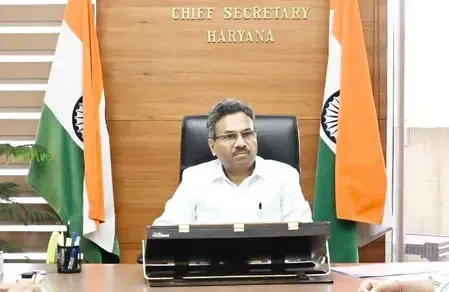
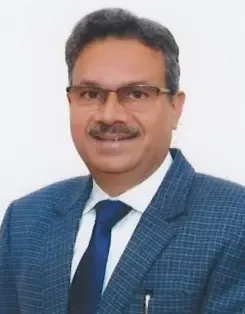
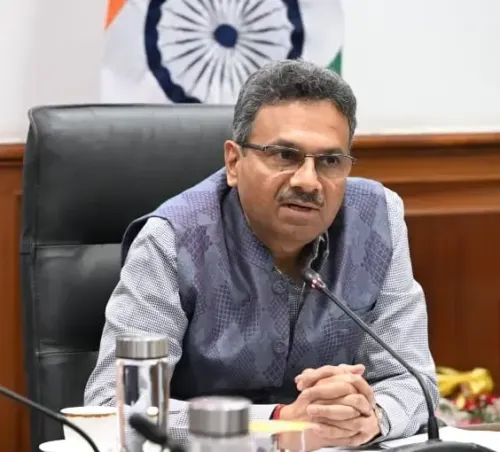
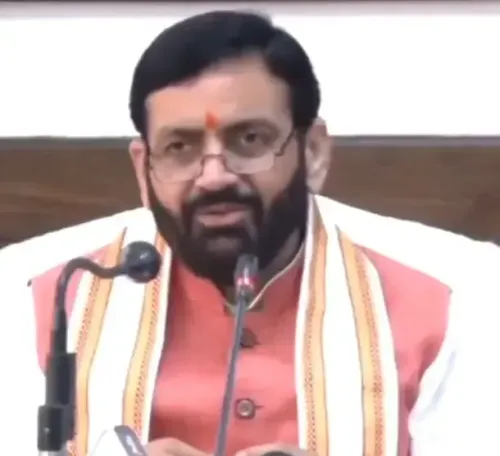
Haryana Chief Secretary orders crackdown on dowry offences, intensifies enforcement
Synopsis
Haryana's top bureaucrat has ordered a state-wide crackdown on dowry offences — tightening officer accountability, launching targeted awareness drives in schools and villages, and mandating early-stage scrutiny of dowry death and cruelty cases. The directive puts SDMs on notice and signals that the state is treating dowry enforcement as an administrative priority, not just a legal formality.
Key Takeaways
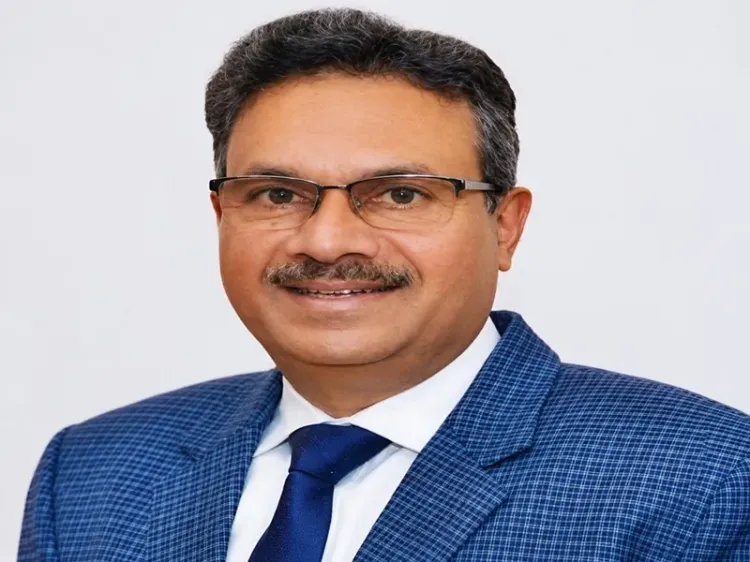
Haryana Chief Secretary Anurag Rastogi chaired a high-level review on 6 May 2025 to strengthen enforcement of the Dowry Prohibition Act, 1961 .
Sub-Divisional Magistrates (SDMs) across Haryana are designated Dowry Prohibition Officers under a notification from October 2015 .
Deputy Commissioners directed to launch awareness campaigns with the Haryana State Legal Services Authority , targeting youth, schools, and rural communities.
Victims can now access officer contact details prominently displayed at district and sub-divisional offices for easier grievance redressal.
Complaints under Section 304-B (dowry deaths) and Section 498-A (cruelty against married women) to be scrutinised from the earliest stage for timely justice.
Periodic sensitisation and training programmes mandated for police officers and judicial officials handling dowry cases.
Haryana Chief Secretary Anurag Rastogi on Wednesday, 6 May chaired a high-level review meeting in Chandigarh to strengthen enforcement of the Dowry Prohibition Act, 1961, directing all district administrations across the state to intensify awareness campaigns and enforcement mechanisms. The meeting signals a renewed administrative push to tackle dowry-related harassment and violence in Haryana.
Key Directives from the Review Meeting
Rastogi stressed the need for a coordinated, people-centric strategy to curb dowry-related offences. He directed that the roles and responsibilities of Dowry Prohibition Officers be clearly defined to ensure accountability and effective implementation of the law.
The Chief Secretary noted that Sub-Divisional Magistrates (SDMs) across Haryana had already been designated as Dowry Prohibition Officers under a government notification issued in October 2015. He emphasised that these officers must remain proactive in handling complaints, spreading awareness, and coordinating with law enforcement agencies for timely action.
Awareness Campaigns Targeting Youth and Rural Communities
Rastogi directed Deputy Commissioners to launch extensive awareness campaigns in coordination with the Haryana State Legal Services Authority, particularly targeting youth, educational institutions, and rural communities. The campaign aims to build social resistance against dowry demands and reinforce the message that demanding or giving dowry is a punishable offence under Indian law.
He observed that many families continue to face emotional, financial, and social pressure due to dowry practices, making collective societal action essential. This comes amid persistent concerns about dowry-linked violence in several northern states, including Haryana.
Strengthening Grievance Redressal Mechanisms
To improve accessibility for victims, Rastogi directed that the names, contact numbers, and official email IDs of Dowry Prohibition Officers be prominently displayed and widely publicised at district and sub-divisional levels. The move is intended to ensure that victims and their families can easily approach authorities for assistance without facing procedural barriers.
Training for Police and Judicial Officials
The Chief Secretary also stressed the need for periodic sensitisation and structured training programmes for police officers and judicial officials handling dowry-related cases. He directed that complaints registered under Section 304-B — relating to dowry deaths — and Section 498-A — concerning cruelty against married women — be examined carefully from the earliest stage. The objective is to ensure timely justice for genuine victims while enabling expeditious disposal of cases.
With these directives now in place, the state administration is expected to roll out structured implementation plans at the district level in the coming weeks.
Point of View
But without measurable targets, independent monitoring, and consequences for officer inaction, this review meeting risks becoming another entry in a long list of well-intentioned circulars that do not translate into outcomes for victims.
NationPress
22 Sept 2026
Frequently Asked Questions
What did Haryana Chief Secretary Anurag Rastogi direct regarding the Dowry Prohibition Act?
Rastogi directed all district administrations to intensify awareness campaigns and enforcement mechanisms under the Dowry Prohibition Act, 1961, during a high-level review meeting on 6 May 2025. He also ordered that roles of Dowry Prohibition Officers be clearly defined and that grievance redressal contacts be made widely accessible.
Who are the Dowry Prohibition Officers in Haryana?
Sub-Divisional Magistrates (SDMs) across Haryana have been designated as Dowry Prohibition Officers under a government notification issued in October 2015. The Chief Secretary has now directed these officers to be more proactive in handling complaints and coordinating with law enforcement.
Which legal sections were highlighted in the Haryana dowry review meeting?
The meeting focused on Section 304-B of the IPC, which relates to dowry deaths, and Section 498-A, which deals with cruelty against married women. The Chief Secretary directed that cases under both sections be examined carefully from the earliest stage to ensure timely justice.
How will Haryana make it easier for dowry victims to seek help?
The state has directed that names, contact numbers, and official email IDs of Dowry Prohibition Officers be prominently displayed at district and sub-divisional offices. This is aimed at ensuring victims and their families can easily approach authorities without procedural barriers.
What awareness initiatives are being planned under the Haryana dowry crackdown?
Deputy Commissioners have been directed to launch extensive campaigns in coordination with the Haryana State Legal Services Authority, targeting youth, educational institutions, and rural communities. The campaigns aim to build social resistance against dowry demands and spread awareness that dowry — whether given or taken — is a punishable offence.