Haryana to give 820 e-rickshaws to gaushalas in ₹10.25 crore push
Synopsis
Haryana is equipping its 770 gaushalas with 820 e-rickshaws at ₹10.25 crore — a tangible step toward making cattle shelters operationally self-sufficient. The same committee sitting also cleared over ₹350 crore in water and sewerage projects for Kaithal, Faridabad, and Gurugram, making it one of the larger single-day infrastructure approval rounds under CM Nayab Singh Saini.
Key Takeaways
820 e-rickshaws will be distributed to 770 gaushalas across Haryana at a cost of ₹10.25 crore .
Gaushalas with up to 1,000 cattle get one e-rickshaw; those with more than 1,000 cattle receive two.
Sewer lines approved for Kaithal at ₹12.87 crore , designed to serve the city through 2042 .
Five 10 MLD Ranney wells sanctioned in Faridabad near the Yamuna at ₹164.75 crore for potential drinking water use.
A second 1,000 MLD waterworks approved at Basai village, Gurugram under GMDA at ₹149 crore .
Development works worth ₹380.40 crore tendered at ₹363.82 crore , saving approximately ₹16.58 crore .
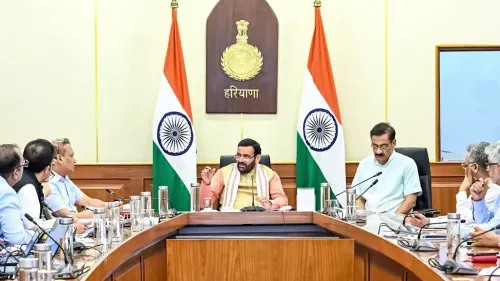
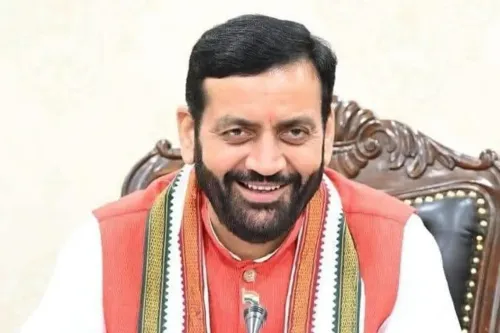
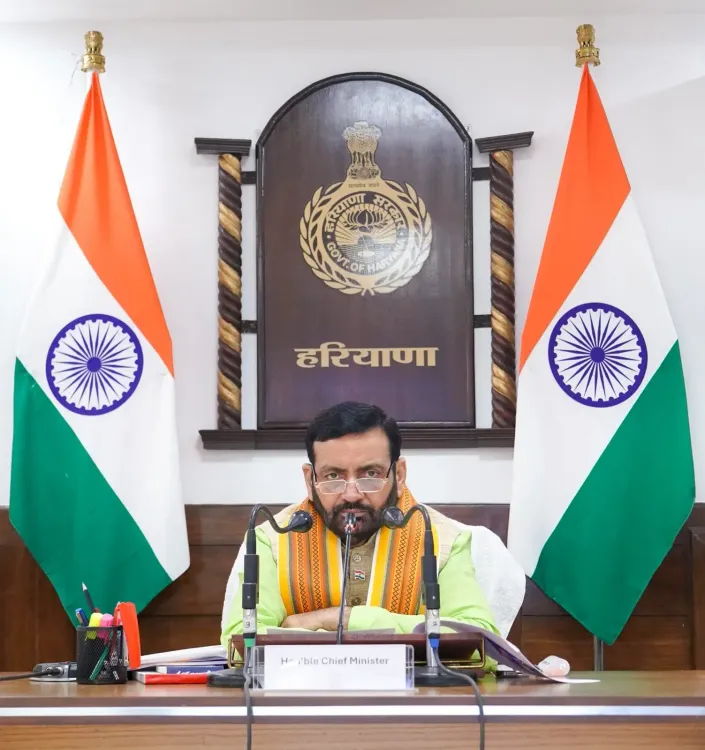
Haryana Chief Minister Nayab Singh Saini on Monday, 20 July announced that 820 e-rickshaws will be distributed across the state's 770 gaushalas to support livestock care and management, as part of a broader drive to make these cattle shelters financially self-reliant. The high-powered purchase committee, chaired by the Chief Minister in Chandigarh, approved the procurement at an estimated cost of ₹10.25 crore.
How the E-Rickshaw Scheme Works
Under the allocation formula, gaushalas housing up to 1,000 cattle will receive one e-rickshaw, while those with more than 1,000 cattle will be provided two e-rickshaws. Of Haryana's 770 gaushalas, 553 house fewer than 1,000 cattle. The remaining shelters range in size: 79 accommodate up to 2,000 cattle, 20 house up to 3,000, eight up to 4,000, and one gaushala each holds up to 5,000 and 6,000 cattle respectively.
The e-rickshaws are intended to ease the day-to-day movement and management of livestock within these shelters, reducing operational costs and dependence on manual labour — a step that officials say will directly improve the financial sustainability of gaushalas.
Other Infrastructure Projects Cleared
The same committee meeting approved a series of urban infrastructure projects across Haryana. In Kaithal, the Chief Minister cleared the laying of sewer lines in various city colonies at an estimated ₹12.87 crore — a project designed to serve the city's population through to the year 2042. Approval was also granted for the upgradation of the Water Sewerage Treatment Plant and construction of an RCC tank at Khedar, valued at ₹27.70 crore.
In Faridabad, the committee sanctioned the installation of five Ranney wells, each with a capacity of 10 million litres per day (MLD), in waterlogged areas along the Yamuna river near Manjhawali and Mothuka villages, at an estimated cost of ₹164.75 crore. Water drawn from these wells will be tested for suitability as a drinking water source before use, according to the government.
Gurugram Waterworks Expansion
The committee also approved the construction of a second 1,000 MLD capacity waterworks at Basai village under the Gurugram Metropolitan Development Authority (GMDA), at an estimated cost of ₹149 crore. The project is aimed at meeting the growing water demand of one of India's fastest-expanding urban corridors.
Savings and Accountability Directive
The meeting also noted that development works worth ₹380.40 crore were tendered at ₹363.82 crore, generating savings of approximately ₹16.58 crore. Chief Minister Saini directed officials that no delay or negligence in project execution would be tolerated, and instructed that all works be completed within their stipulated time frames.
Taken together, the approvals signal a push by the Haryana government to simultaneously address rural animal welfare infrastructure and urban civic needs — with the next phase of implementation expected to begin in the coming weeks.
Frequently Asked Questions
What is Haryana's gaushala e-rickshaw scheme?
The Haryana government has approved the distribution of 820 e-rickshaws to gaushalas across the state at a cost of ₹10.25 crore, with the aim of making cattle shelters more self-reliant. Gaushalas with up to 1,000 cattle will receive one e-rickshaw, while larger ones will get two.
How many gaushalas are there in Haryana?
Haryana has 770 gaushalas in total. Of these, 553 house fewer than 1,000 cattle, while the rest range up to 6,000 cattle in the largest shelter.
What water infrastructure projects were approved at the same meeting?
The committee approved five 10 MLD Ranney wells in Faridabad near the Yamuna at ₹164.75 crore, a second 1,000 MLD waterworks at Basai village in Gurugram under GMDA at ₹149 crore, and sewerage upgrades in Kaithal at ₹12.87 crore and Khedar at ₹27.70 crore.
Who chaired the high-powered purchase committee meeting?
Chief Minister Nayab Singh Saini chaired the meeting, held in Chandigarh on 20 July. He also directed officials to ensure all approved projects are completed within their stipulated time frames without delay.
How much did Haryana save through competitive tendering?
Development works worth ₹380.40 crore were tendered at ₹363.82 crore, resulting in savings of approximately ₹16.58 crore, as reported at the committee meeting.