Trump tariffs: Hassett cites Section 301, 232 after SC loss
Synopsis
Lost in court, but not out of options: Kevin Hassett says Trump can still impose tariffs without Congress, using Sections 301 and 232 after the Supreme Court killed the IEEPA route. India is already in the crosshairs, with proposed duties of up to 25% over 'excess capacity'. These duties are not in force yet, but the clock is ticking.
Key Takeaways
Kevin Hassett defended Donald Trump's tariff powers on CNN's “State of the Union” on 29 November 2026 .
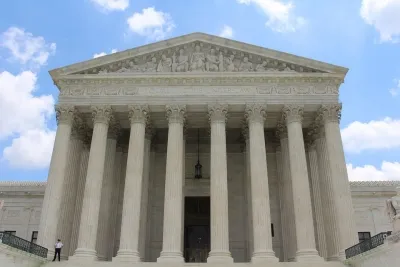
The Supreme Court ruled on 20 February that IEEPA does not authorise the president to impose tariffs.
Hassett cited Section 301 and Section 232 as remaining routes to impose tariffs without congressional action.
On 25 November , the USTR issued determinations against 14 economies , including India, China, the EU and Japan, over excess capacity.
The USTR proposed tariffs of up to 25 per cent on India, with exemptions for certain goods; these are not yet in force.
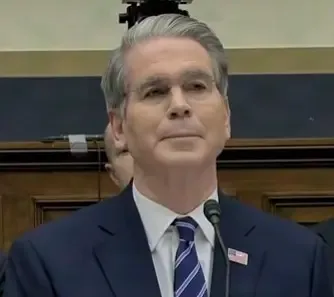
White House economic adviser Kevin Hassett on Sunday, 29 November 2026, defended President Donald Trump's power to impose tariffs under existing US trade laws. He said these powers remain despite the Supreme Court striking down the administration's emergency-powers approach. Speaking in Washington, the National Economic Council director stressed that the latest tariff proposals, including duties of up to 25 per cent on India, are not yet in force.
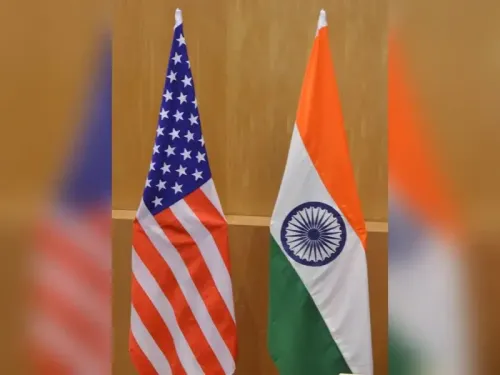
The remarks matter for New Delhi. India is among 14 economies facing proposed US duties over what Washington calls structural excess manufacturing capacity.
Hassett Rejects 'Same Policy' Charge
Appearing on CNN's “State of the Union”, Hassett pushed back on the suggestion that the administration was repackaging a policy the courts had already rejected.
“Well, it's not the same thing whatsoever,” Hassett said.
Host Jake Tapper asked why the White House kept offering new legal grounds for tariffs instead of seeking approval from Congress. In reply, Hassett pointed to two separate provisions of US trade law:
- Section 301, which addresses foreign trade practices that burden US commerce.
- Section 232, which covers the national security implications of imports.
“For example, right now there's a 301 that is just a comment period, like, the tariffs aren't in place yet, that is looking at countries that have subsidized excess capacity that harms U.S. workers,” he said.
USTR Action Against 14 Economies, Including India
Hassett's comments came four days after the US Trade Representative (USTR) issued determinations on 25 November against 14 economies. These include India, China, the European Union and Japan, over alleged structural excess manufacturing capacity.
For India, the USTR proposed tariffs of up to 25 per cent. That figure accounts for existing Section 301 duties, and the proposal allows exemptions for certain goods.
Notably, because the proposal is still in its public comment stage, Indian exporters face uncertainty rather than immediate duties. Both the final rate and the list of exempted goods could still change.
The Supreme Court's IEEPA Ruling
Hassett drew a clear line between the new proposals and Trump's earlier use of the International Emergency Economic Powers Act (IEEPA).
On 20 February, the Supreme Court held that IEEPA did not authorise the president to impose tariffs. However, that ruling dealt only with the emergency statute. It did not remove tariff powers that Congress has delegated to the president under other laws.
Hassett said the administration disagreed with the ruling. He added that it still had other routes, although these involve longer procedures such as public comment periods.
“But there's still many legal authorities that the president has access to that can impose tariffs without congressional action,” he said.
Limits on the Statutory Route
Hassett was referring to existing statutory powers that can be used without passing a new law. Those powers, however, come with conditions. Any action taken under them must meet the requirements of the law under which the administration acts.
This comes amid a wider shift in Washington's trade strategy since the February ruling. Section 301 and Section 232 actions are slower and require more process than emergency decrees, but they rest on authority Congress has explicitly granted.
What Comes Next
Once the Section 301 comment period closes, the USTR is expected to decide on final tariff levels for the 14 economies. For India, how that process unfolds will shape the cost of its exports to its largest trading partner in the months ahead.
Point of View
Not the room. By moving to Section 301 and 232, the Trump administration is trading speed for legal durability, and that makes these tariffs harder to challenge than the IEEPA levies were. For India, the 'excess capacity' framing is the real worry: it puts New Delhi in the same bracket as China, despite very different industrial profiles. The comment period is India's narrow window to win exemptions, and it should be treated as a negotiation, not a formality.
NationPress
30 Nov 2026
Frequently Asked Questions
What did Kevin Hassett say about Trump's tariff powers?
Hassett said President Trump still has many legal authorities to impose tariffs without congressional action, despite the Supreme Court's IEEPA ruling. He pointed specifically to Section 301 and Section 232 of US trade law.
What did the Supreme Court rule on Trump's tariffs?
On 20 February, the Supreme Court held that the International Emergency Economic Powers Act (IEEPA) did not authorise the president to impose tariffs. The ruling applied only to that emergency statute, not to tariff powers Congress delegated under other laws.
How much tariff has the US proposed on India?
The USTR has proposed tariffs of up to 25 per cent on India, accounting for existing Section 301 duties and allowing exemptions for certain goods. The proposal is still in a comment period and is not yet in force.
Which countries face the USTR excess capacity tariffs?
The USTR's 25 November determinations cover 14 economies, including India, China, the European Union and Japan. Washington says these economies have structural excess manufacturing capacity that harms US workers.
What is the difference between Section 301 and Section 232?
Section 301 targets foreign trade practices that burden US commerce, while Section 232 deals with the national security implications of imports. Both involve longer procedures, such as public comment periods, than emergency powers do.