Will Tariffs Remain a Key Element of Trump's Economic Strategy?
Synopsis
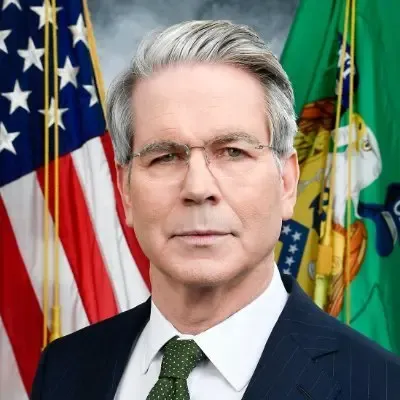
In a recent address, US Treasury Secretary Scott Bessent reaffirmed that tariffs will continue to be a cornerstone of President Trump's economic strategy, despite legal challenges. He outlined alternative legal authorities that will maintain tariff revenue, emphasizing the importance of economic security and the need to bolster American manufacturing.
Key Takeaways
Tariffs remain central to the Trump administration's economic strategy.
Alternative legal authorities will be utilized to maintain tariff revenue.
Economic security is a primary focus for US trade policy.
Sections 232 and 301 will play a significant role moving forward.
Investment in American manufacturing is encouraged through these policies.
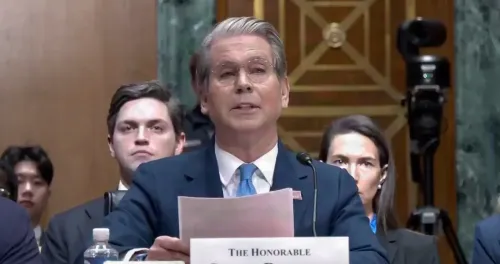
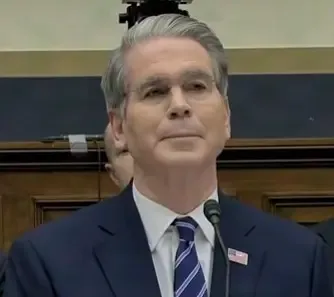
Washington, Feb 21 (NationPress) US Treasury Secretary Scott Bessent emphasized that tariffs will continue to play a pivotal role in President Donald Trump’s economic policy, despite a recent Supreme Court ruling that curtailed the administration’s ability to utilize one legal avenue for imposing them.
Addressing the Economic Club of Dallas, Bessent specifically referenced the court’s decision. He stated, “Six Justices ruled that the IEEPA (International Emergency Economic Powers Act) authorities cannot be applied to generate even a single dollar of revenue.”
He countered the narrative from critics who deemed the ruling a defeat. “In spite of the unwarranted celebrations from Democrats, misinformed media outlets, and those who dismantled our industrial base, the Court did not oppose President Trump’s tariffs,” Bessent remarked.
He indicated a commitment to continuity. “This Administration will use alternative legal frameworks to substitute for the IEEPA tariffs,” he asserted. He mentioned Section 232 and Section 301 tariff authorities, describing them as having been “upheld through thousands of legal challenges.”
Bessent noted that estimates from the Treasury suggest that utilizing Section 122 authority, alongside potentially enhanced Sections 232 and 301 tariffs, will yield “virtually unchanged tariff revenue by 2026.”
His comments highlight that trade enforcement and tariff leverage are fundamental to what he called an “economic security” strategy.
“Economic security is the bedrock that enables a nation to meet its core obligation of protecting its citizens,” he stated. He contended that the United States must rebuild its industrial capacity and mitigate the risks associated with excessive dependence on foreign supply chains.
Touching on the “China Shock,” Bessent remarked that the US lost “almost six million manufacturing jobs” between 1999 and 2011, which undermined vital industries and productive resilience.
“Our policies have driven companies to reevaluate their sourcing strategies and invest trillions back into American manufacturing and strategic sectors,” he expressed.
The message to trading partners was clear: the administration will persist in employing tariffs as part of its economic strategy, even if the legal framework shifts.
The focus on Sections 232 and 301 is particularly noteworthy. Section 232 permits tariffs based on national security grounds, while Section 301 targets unfair trade practices. Both have been widely utilized in recent years, including in trade disputes involving China.
For India, which has been engaged in trade negotiations and sector-specific talks with Washington, the ongoing reliance on tariff mechanisms suggests that economic security concerns will remain closely tied to US trade policy.
The United States has increasingly categorized trade, supply chains, and industrial production as matters of national security. Under Trump’s second term, this connection seems set to strengthen, with alternative legal strategies prepared to sustain tariff revenue and leverage.
Bessent’s statements indicate that while the legal framework might evolve, the overarching trajectory of US trade policy—assertive, security-focused, and tariff-supported—remains consistent.
Point of View
I observe that the re-emphasis on tariffs highlights a strategic pivot in US trade policy under the Trump administration. This approach underscores a commitment to economic security and domestic manufacturing, which resonates with a significant segment of the American populace. While the legal landscape may shift, the underlying principles driving these policies remain steadfast, indicating a long-term strategy rather than a reactionary measure.
NationPress
7 Oct 2026
Frequently Asked Questions
What is the significance of tariffs in Trump's economic policy?
Tariffs are viewed as a critical instrument for trade enforcement and economic security, allowing the administration to leverage them for national interests.
How has the Supreme Court ruling affected tariffs?
The ruling limited the use of IEEPA for revenue generation, but the administration plans to utilize alternative legal routes to maintain tariff revenues.
What are Sections 232 and 301?
Section 232 allows tariffs for national security reasons, while Section 301 targets unfair trade practices. Both sections have been pivotal in recent trade actions.
How will this affect US manufacturing?
The policies are intended to encourage companies to invest in American manufacturing, reversing the trend of offshoring production.
What are the implications for international trade partners?
The administration's commitment to tariffs suggests that international trade dynamics will remain influenced by US economic policies focused on security.